Salad VS Spinach
A detailed nutritional comparison
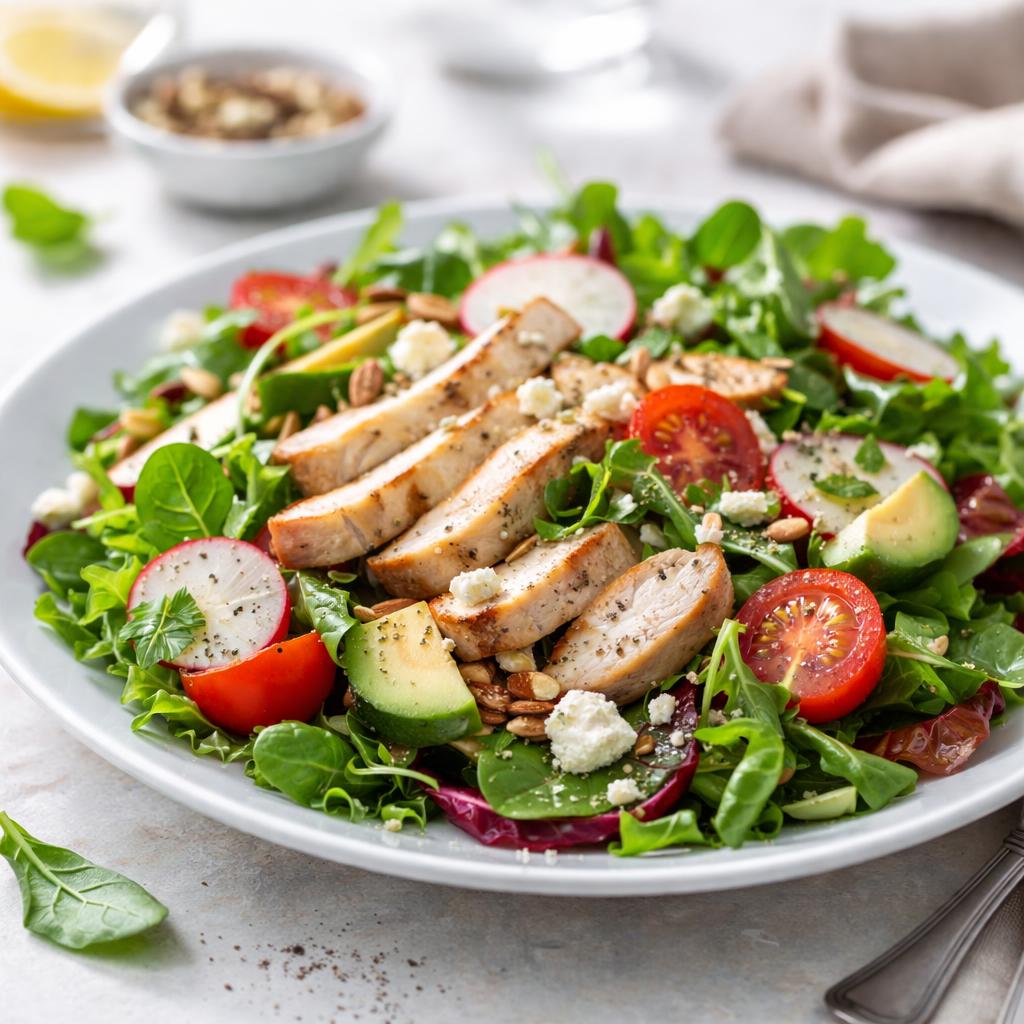
Salad
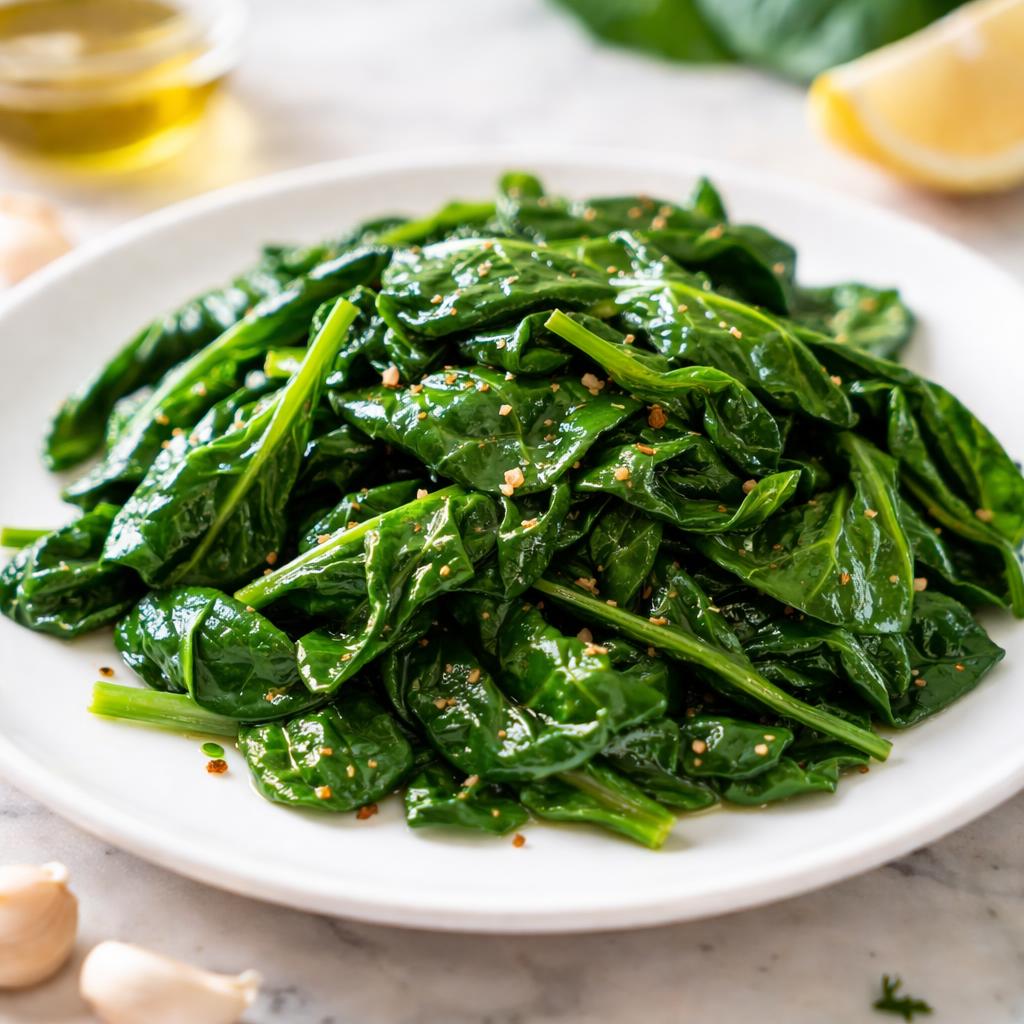
Spinach
🎯 Quick Verdict
Spinach is more nutrient-dense compared to salad, offering higher protein, fiber, and vitamins per serving. Salad, however, boasts lower overall calories, making it great for weight loss or calorie-conscious meals. Both are ideal for healthy diets, but spinach excels in nutrient density while salad is versatile and refreshing.

Smart Nutrition Tracking with SnapCalorie

📊 Nutritional Comparison
Macronutrients
| Nutrient | Food 1 | Food 2 | Winner |
|---|---|---|---|
| Calories | 25 | 23 | ✓ |
| Protein | 1g | 2.9g | ✓ |
| Carbs | 5g | 3.6g | ✓ |
| Fat | 0.2g | 0.4g | ✓ |
| Fiber | 1g | 2.2g | ✓ |
Vitamins & Minerals
| Nutrient | Food 1 | Food 2 | Winner |
|---|---|---|---|
| Vitamin A | 141mcg | 9377mcg | ✓ |
| Vitamin C | 4mg | 28.1mg | ✓ |
| Iron | 0.3mg | 2.7mg | ✓ |
| Calcium | 13mg | 99mg | ✓ |
🏆 Category Winners
Protein
Spinach contains nearly 3 times more protein per serving than salad.
Fiber
Spinach provides over double the fiber per serving compared to salad.
Calories
Spinach has slightly fewer calories compared to salad, but the difference is minor.
Vitamins
Spinach is far more nutrient-dense, offering higher levels of vitamins A, C, calcium, and iron.
🥗 Diet Compatibility
Keto
Food 1: Compatible
Food 2: Compatible
Both are low-carb with minimal impact on blood sugar levels.
Vegan
Food 1: Compatible
Food 2: Compatible
Both are entirely plant-based and suitable for a vegan lifestyle.
Gluten Free
Food 1: Compatible
Food 2: Compatible
Neither contains gluten.
Paleo
Food 1: Compatible
Food 2: Compatible
Both foods fit within the paleo framework of whole, unprocessed foods.
Low-Carb
Food 1: Compatible
Food 2: Compatible
Both are naturally low in carbohydrates.
💪 Health Benefits Comparison
Food 1 Benefits
- Low-calorie option for weight management
- Refreshing and hydrating, due to high water content
- Provides small amounts of fiber for digestion
Food 2 Benefits
- Rich in vitamin A for eye health
- High in iron for improved energy levels
- Packed with antioxidants to combat inflammation
- Great source of calcium for bone health
✅ The Bottom Line
Salad is best for those looking for a light, calorie-friendly meal or base for a diverse range of dressings and toppings. Spinach, on the other hand, is significantly richer in protein, fiber, and micronutrients, making it ideal for boosting nutrient density in meals. Both options are healthy, but spinach offers more nutrition per serving.
Choose Food 1 for: Calorie-conscious meals, refreshing side dishes, general hydration
Choose Food 2 for: Nutrient-dense meals, boosting protein and iron, supporting eye health


