Salad VS Romaine Lettuce
A detailed nutritional comparison
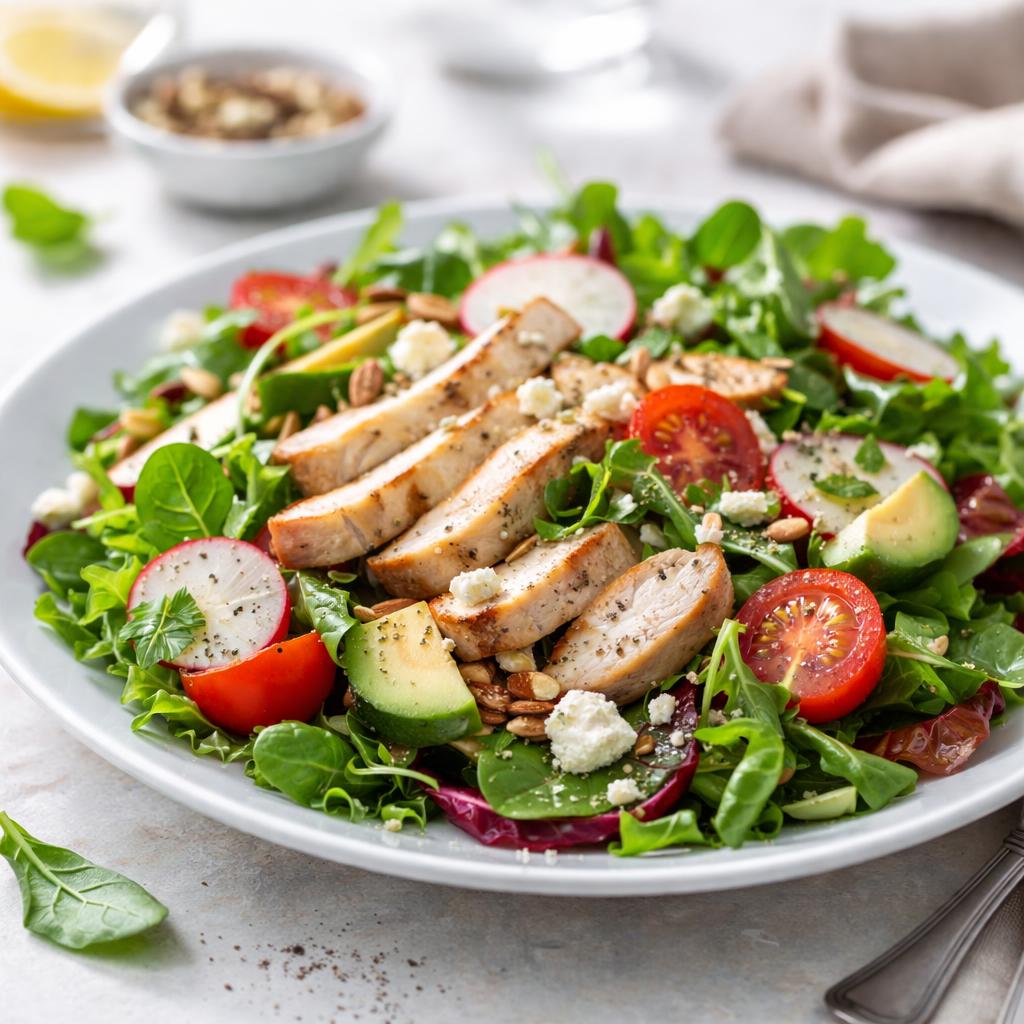
Salad
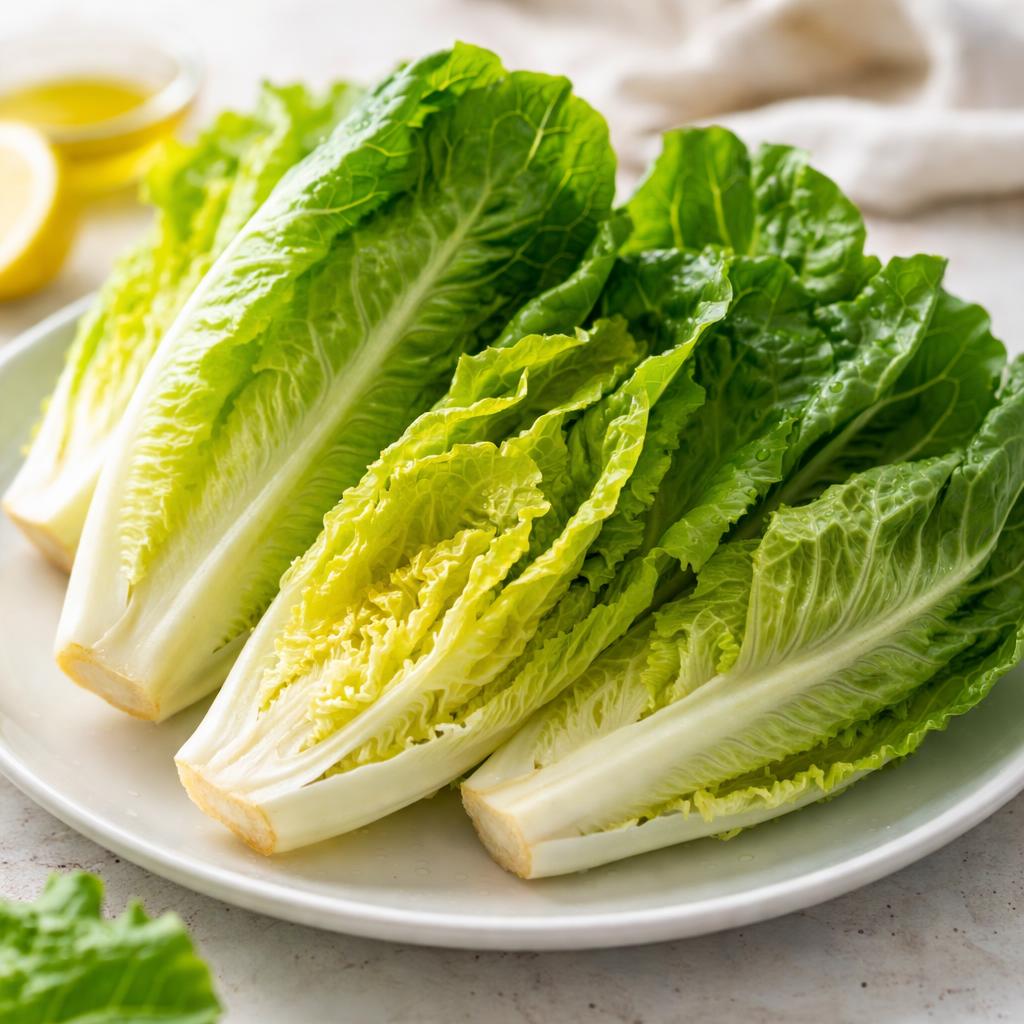
Romaine Lettuce
🎯 Quick Verdict
Salad offers a more nutrient-dense profile compared to plain romaine lettuce, with higher protein, fiber, and a variety of added vitamins and minerals depending on the ingredients. Romaine lettuce is a great low-calorie base, ideal for light meals and hydration, while salad (with toppings like nuts, seeds, or protein) is better suited for balanced nutrition and satiation.

Smart Nutrition Tracking with SnapCalorie

📊 Nutritional Comparison
Macronutrients
| Nutrient | Food 1 | Food 2 | Winner |
|---|---|---|---|
| Calories | 150 | 17 | − |
| Protein | 5g | 1g | ✓ |
| Carbs | 10g | 3.3g | ✓ |
| Fat | 8g | 0.2g | ✓ |
| Fiber | 4g | 2g | ✓ |
Vitamins & Minerals
| Nutrient | Food 1 | Food 2 | Winner |
|---|---|---|---|
| Vitamin A | 1500IU | 4094IU | ✓ |
| Vitamin C | 30mg | 15mg | ✓ |
| Iron | 1.5mg | 0.5mg | ✓ |
🏆 Category Winners
Protein
Salad contains 5x more protein due to added ingredients.
Fiber
Salad provides 2x more fiber per serving.
Calories
Calories vary based on salad ingredients but typically match romaine lettuce's low calorie count.
Vitamins
Romaine excels in Vitamin A content and potassium, but salad provides a great range overall.
🥗 Diet Compatibility
Keto
Food 1: Compatible
Food 2: Compatible
Both foods are low-carb and keto-friendly.
Vegan
Food 1: Depends on toppings
Food 2: Compatible
Romaine lettuce is plant-based; salads may include animal products like cheese or egg depending on preparation.
Gluten Free
Food 1: Compatible
Food 2: Compatible
Neither inherently contain gluten.
Paleo
Food 1: Depends on toppings
Food 2: Compatible
Romaine lettuce is paleo-friendly, whereas salad ingredients must exclude modern grains or processed items.
Low-Carb
Food 1: Compatible
Food 2: Compatible
Both foods are low in carbohydrates.
💪 Health Benefits Comparison
Food 1 Benefits
- High protein content supports muscle maintenance.
- Rich in fiber promotes digestion and gut health.
- Contains healthy fats for satiety and brain function.
- Provides a spectrum of vitamins and minerals depending on toppings.
Food 2 Benefits
- Low calorie content supports weight management.
- High water content aids hydration.
- Rich in Vitamin A for eye health and immune function.
- Good source of potassium for electrolyte balance.
✅ The Bottom Line
Choose salad for a more nutrient-dense meal that includes protein and fiber to keep you full longer. Opt for romaine lettuce if you need a low-calorie, hydrating base for a snack or meal. Consider salad for balanced nutrition and romaine lettuce for simplicity and immediate weight loss goals.
Choose Food 1 for: Balanced nutrition, post-workout meals, filling and satisfying dishes
Choose Food 2 for: Light meals, hydration, supportive weight-loss snacks


