Salad VS Roast Beef
A detailed nutritional comparison
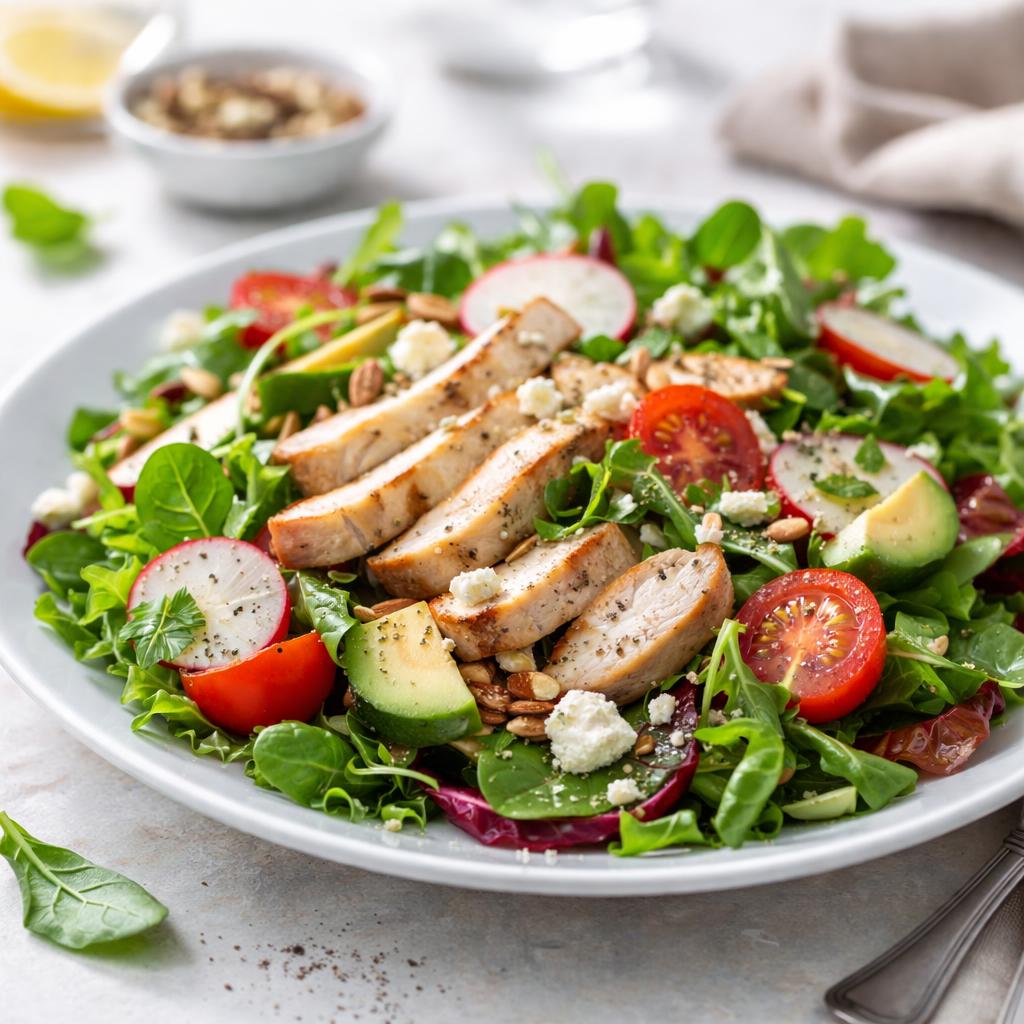
Salad
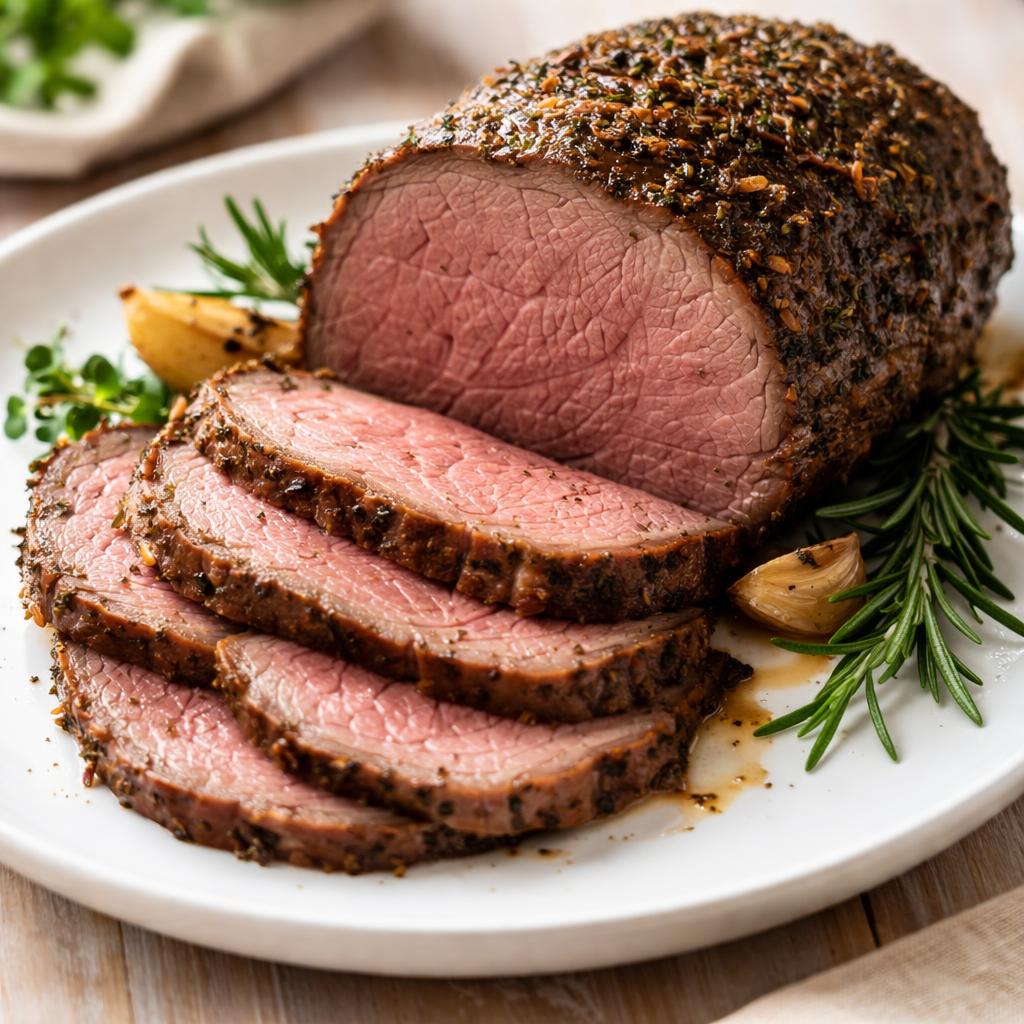
Roast Beef
🎯 Quick Verdict
Roast beef is significantly higher in protein, making it an excellent choice for muscle building and repair. Salad, on the other hand, is lower in calories and richer in fiber, making it ideal for weight management and digestion. Both have unique strengths depending on dietary goals and nutritional priorities.

Smart Nutrition Tracking with SnapCalorie

📊 Nutritional Comparison
Macronutrients
| Nutrient | Food 1 | Food 2 | Winner |
|---|---|---|---|
| Calories | 50 | 250 | ✓ |
| Protein | 2g | 25g | ✓ |
| Carbs | 10g | 0g | ✓ |
| Fat | 0g | 15g | ✓ |
| Fiber | 3g | 0g | ✓ |
Vitamins & Minerals
| Nutrient | Food 1 | Food 2 | Winner |
|---|---|---|---|
| Vitamin C | 9mg | 0mg | ✓ |
| Vitamin B12 | 0mcg | 2.1mcg | ✓ |
| Iron | 1mg | 2mg | ✓ |
🏆 Category Winners
Protein
Roast beef offers 25g of protein per serving, compared to salad's 2g—a 12x advantage.
Fiber
The salad contains 3g of fiber, while roast beef has negligible amounts.
Calories
Salad is very low-calorie at just 50 calories per serving, significantly lower than roast beef.
🥗 Diet Compatibility
Keto
Food 1: Not Compatible
Food 2: Compatible
Roast beef has zero carbs, ideal for keto, whereas salad has 10g of carbs.
Vegan
Food 1: Compatible
Food 2: Not Compatible
Salad is plant-based, while roast beef is animal-based.
Gluten Free
Food 1: Compatible
Food 2: Compatible
Neither contains gluten, suitable for gluten-free diets.
Paleo
Food 1: Compatible
Food 2: Compatible
Both are paleo-friendly when unprocessed.
Low-Carb
Food 1: Somewhat Compatible
Food 2: Compatible
Roast beef is zero-carb; salad is higher-carb but still relatively low.
💪 Health Benefits Comparison
Food 1 Benefits
- Low-calorie for weight management
- High fiber for improved digestion
- Rich in vitamin C to support immune function
- Hydrating due to high water content
Food 2 Benefits
- High in protein for muscle repair and maintenance
- Source of iron to support oxygen transport in the blood
- Rich in vitamin B12 for energy and neurological health
- Low-carb, making it suitable for keto and paleo diets
✅ The Bottom Line
Roast beef is the better option for those seeking high protein, low carbs, and essential nutrients like vitamin B12 and iron. Salad is ideal for those focused on weight management, digestion, and a plant-based lifestyle. Choose depending on your goals.
Choose Food 1 for: Low-calorie diets, improved digestion, immune support
Choose Food 2 for: Muscle-building, keto and paleo diets, energy and nutrient density


