Salad VS Ramen Noodles
A detailed nutritional comparison
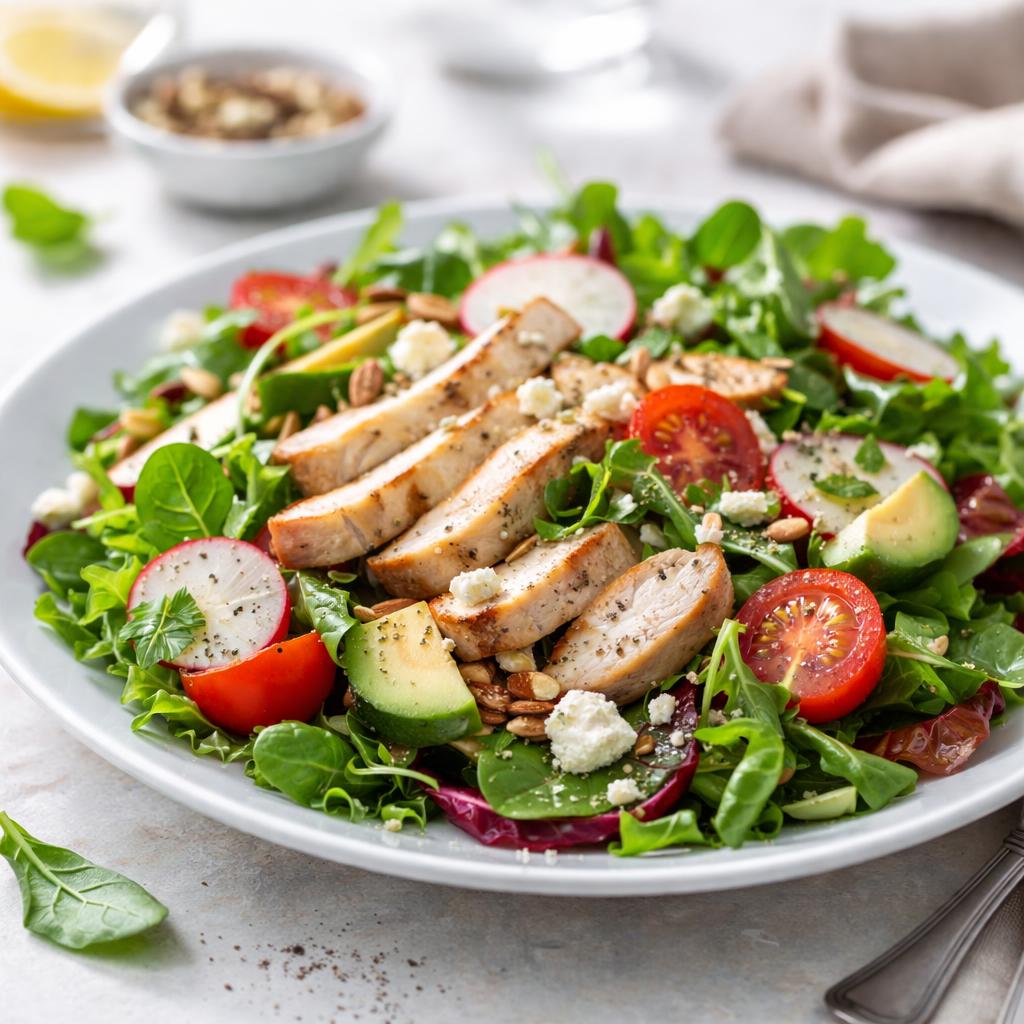
Salad
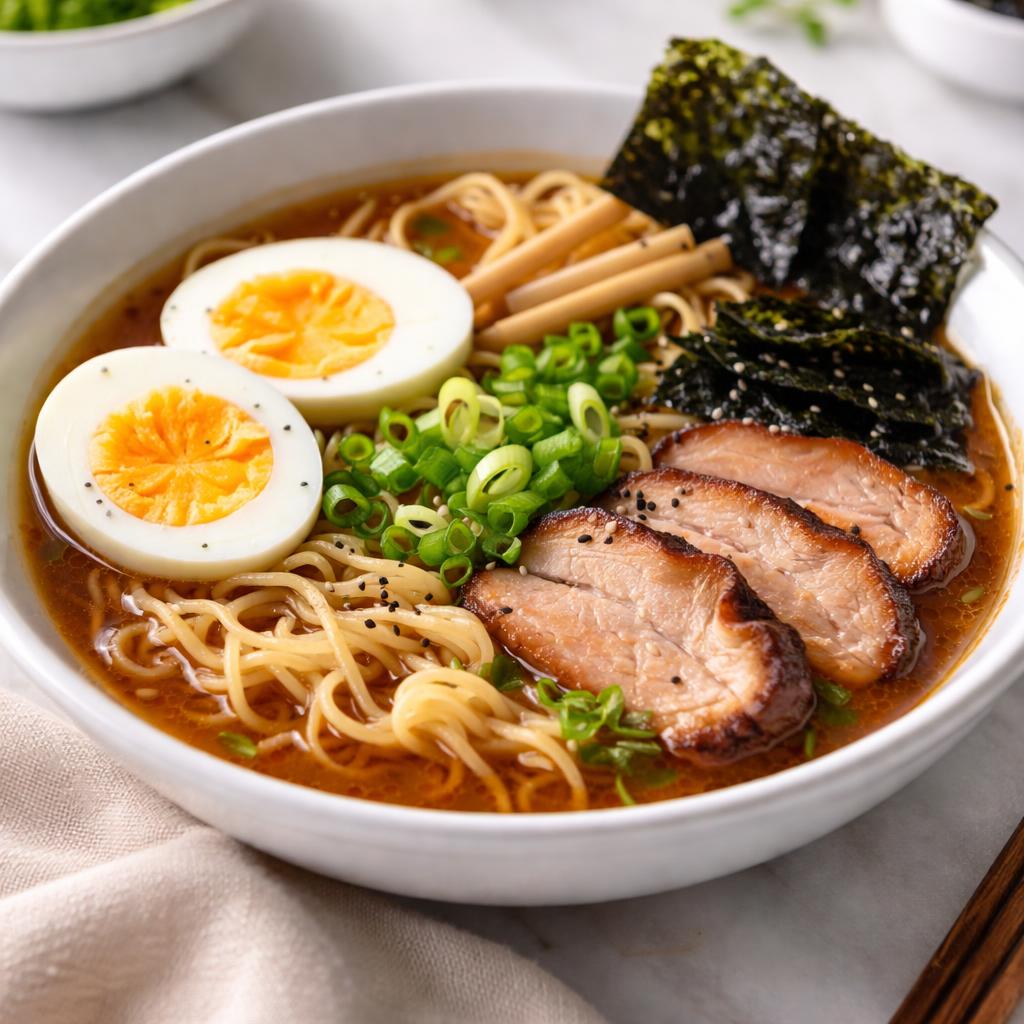
Ramen Noodles
🎯 Quick Verdict
Salad is the lower-calorie, nutrient-dense choice packed with fiber and vitamins, ideal for weight management and overall health. Ramen noodles are higher-calorie and carb-heavy, providing quick energy but lacking significant nutritional density. Choose salad for a light, health-focused option, and ramen for a filling, convenient meal when energy is needed quickly.

Smart Nutrition Tracking with SnapCalorie

📊 Nutritional Comparison
Macronutrients
| Nutrient | Food 1 | Food 2 | Winner |
|---|---|---|---|
| Calories | 100 | 380 | ✓ |
| Protein | 5g | 5g | − |
| Carbs | 12g | 50g | ✓ |
| Fat | 3g | 16g | ✓ |
| Fiber | 4g | 2g | ✓ |
Vitamins & Minerals
| Nutrient | Food 1 | Food 2 | Winner |
|---|---|---|---|
| Vitamin C | 40mg | 0mg | ✓ |
| Vitamin A | 4000IU | 0IU | ✓ |
| Calcium | 40mg | 20mg | ✓ |
🏆 Category Winners
Protein
Both foods provide 5g of protein per serving.
Fiber
Salad provides two times more fiber, aiding digestion.
Calories
Salad is much lower in calories, making it ideal for weight management.
Vitamins
Salad is packed with essential vitamins like Vitamin C and A, whereas ramen lacks these nutrients.
🥗 Diet Compatibility
Keto
Food 1: Not Compatible
Food 2: Not Compatible
Both are too high in carbohydrates for keto diets.
Vegan
Food 1: Compatible
Food 2: Compatible
Both foods are plant-based and vegan-friendly.
Gluten Free
Food 1: Compatible
Food 2: Not Compatible
Salad is naturally gluten-free, but ramen typically contains gluten.
Paleo
Food 1: Compatible
Food 2: Not Compatible
Salad is suitable for paleo diets, while ramen noodles are processed foods and not paleo-friendly.
Low-Carb
Food 1: Not Compatible
Food 2: Not Compatible
Both foods have moderate to high carbohydrate content.
💪 Health Benefits Comparison
Food 1 Benefits
- Rich in fiber for healthy digestion
- Low-calorie and nutrient-dense, ideal for weight management
- High in antioxidants like Vitamin C for immune support
- Contains Vitamin A, promoting eye and skin health
Food 2 Benefits
- Provides quick energy due to high carbohydrate content
- Convenient and filling meal option
- Contains sodium for electrolyte balance
✅ The Bottom Line
Choose salad for a nutrient-packed, light meal that supports overall health, weight management, and digestive health. Ramen noodles are better suited as a convenient, quick meal for those needing higher energy intake but lack significant nutritional benefits.
Choose Food 1 for: Weight management, general health, nutrient density
Choose Food 2 for: Quick energy, convenience, filling meal


