Salad VS Radishes
A detailed nutritional comparison
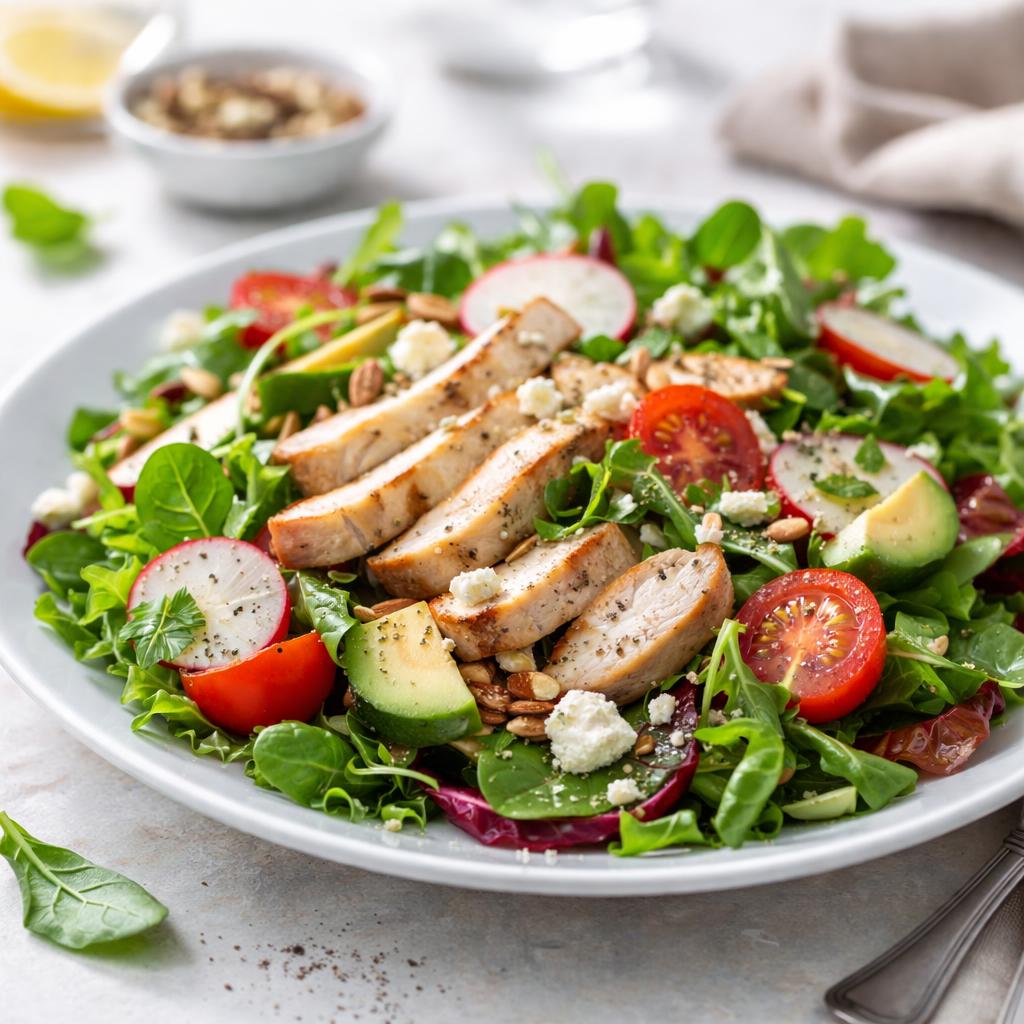
Salad
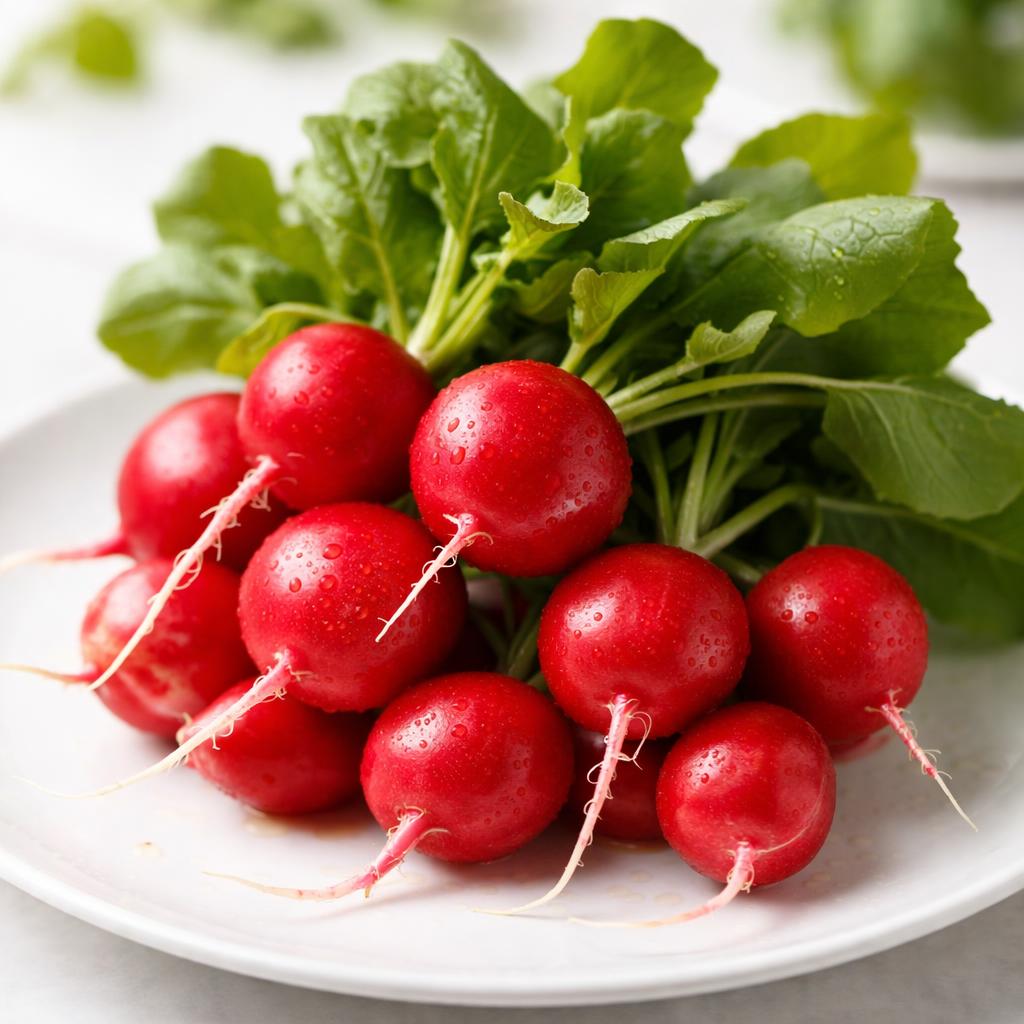
Radishes
🎯 Quick Verdict
Salad outperforms radishes in terms of protein and fiber content, making it a better choice for those seeking satiety and muscle support. Radishes, however, offer slightly fewer nutrients overall but are notable for their crisp texture and antioxidant properties. Both are low-calorie and excellent for weight management, but salad provides a more rounded nutritional profile.

Smart Nutrition Tracking with SnapCalorie

📊 Nutritional Comparison
Macronutrients
| Nutrient | Food 1 | Food 2 | Winner |
|---|---|---|---|
| Calories | 15 per cup | 16 per cup | − |
| Protein | 1g per cup | 0.6g per cup | − |
| Carbs | 3g per cup | 3.4g per cup | − |
| Fat | 0.1g per cup | 0.1g per cup | − |
| Fiber | 1.5g per cup | 1g per cup | − |
Vitamins & Minerals
| Nutrient | Food 1 | Food 2 | Winner |
|---|---|---|---|
| Vitamin C | 15mg per cup | 17mg per cup | − |
| Vitamin K | 35mcg per cup | 1mcg per cup | − |
| Potassium | 170mg per cup | 230mg per cup | − |
| Vitamin A | 2800IU per cup | 0IU per cup | − |
🏆 Category Winners
Protein
Salad delivers nearly double the protein compared to radishes per serving.
Fiber
Salad provides 50% more fiber, aiding digestion.
Calories
Both foods are extremely low-calorie with almost identical values.
Vitamins
Salad is rich in Vitamin A and Vitamin K, while radishes excel in Vitamin C and Potassium.
🥗 Diet Compatibility
Keto
Food 1: Compatible
Food 2: Compatible
Both are low in carbohydrates and suitable for keto diets.
Vegan
Food 1: Compatible
Food 2: Compatible
Both foods are plant-based.
Gluten Free
Food 1: Compatible
Food 2: Compatible
Neither food contains gluten.
Paleo
Food 1: Compatible
Food 2: Compatible
Both align with paleo principles due to their natural, unprocessed nature.
Low-Carb
Food 1: Compatible
Food 2: Compatible
Both are low-carb and suitable for low-carb diets.
💪 Health Benefits Comparison
Food 1 Benefits
- Rich in Vitamin A for eye health and immunity
- Vitamin K supports bone health and blood clotting
- High fiber content promotes digestion and satiety
- Low calorie, making it ideal for weight management
Food 2 Benefits
- Packed with Vitamin C for antioxidant protection and collagen synthesis
- Contains Potassium to support heart health and muscle contractions
- Crisp texture and high water content for hydration
- Low calorie and refreshing, ideal as a healthy snack
✅ The Bottom Line
Choose salad for a nutrient-dense option that supports digestion, immunity, and bone health, particularly in meals where satiety is needed. Opt for radishes as a crunchy, hydrating, and mildly spicy snack with excellent antioxidant properties. Both foods are low-calorie and compatible with almost all dietary patterns, but salads provide a more complete nutrient profile overall.
Choose Food 1 for: Meal components, side dishes, nutrient-dense salads
Choose Food 2 for: Snacks, appetizers, garnish, hydration


