Salad VS Queso
A detailed nutritional comparison
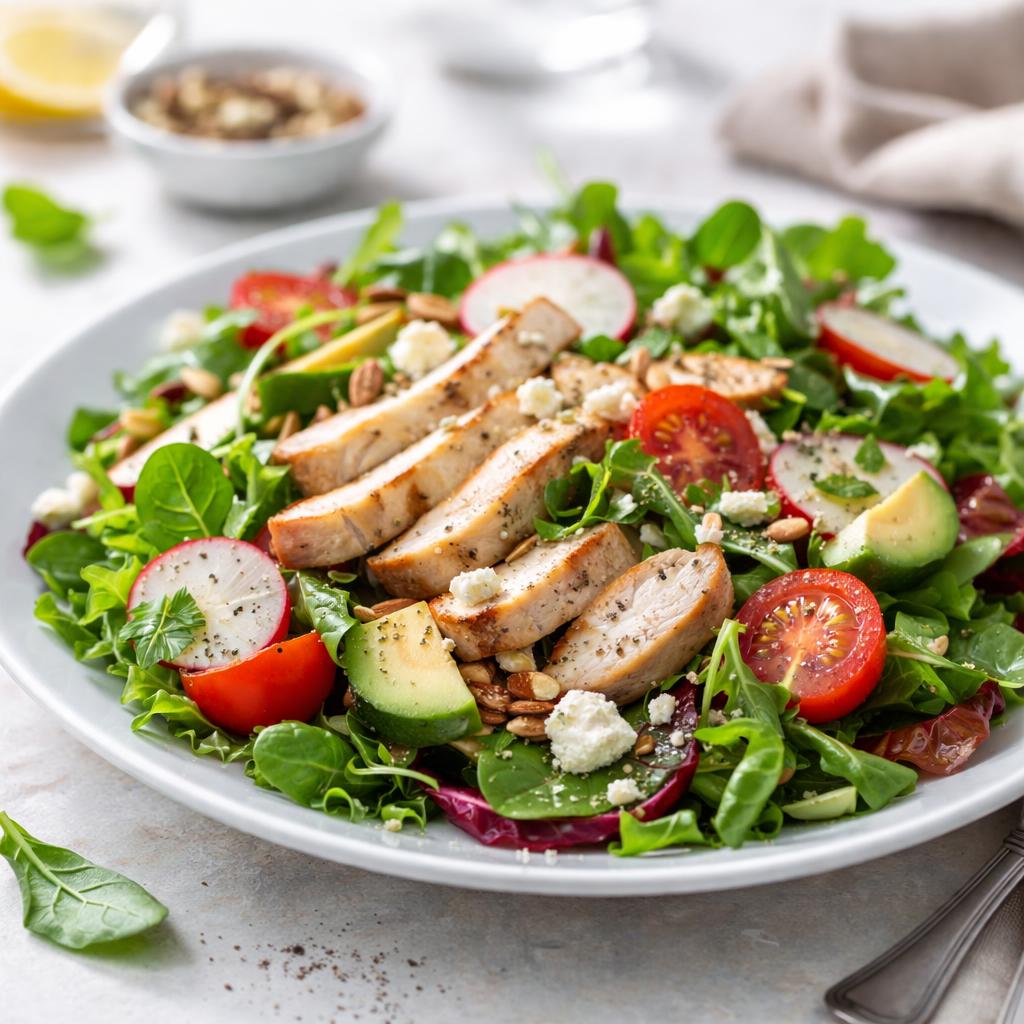
Salad
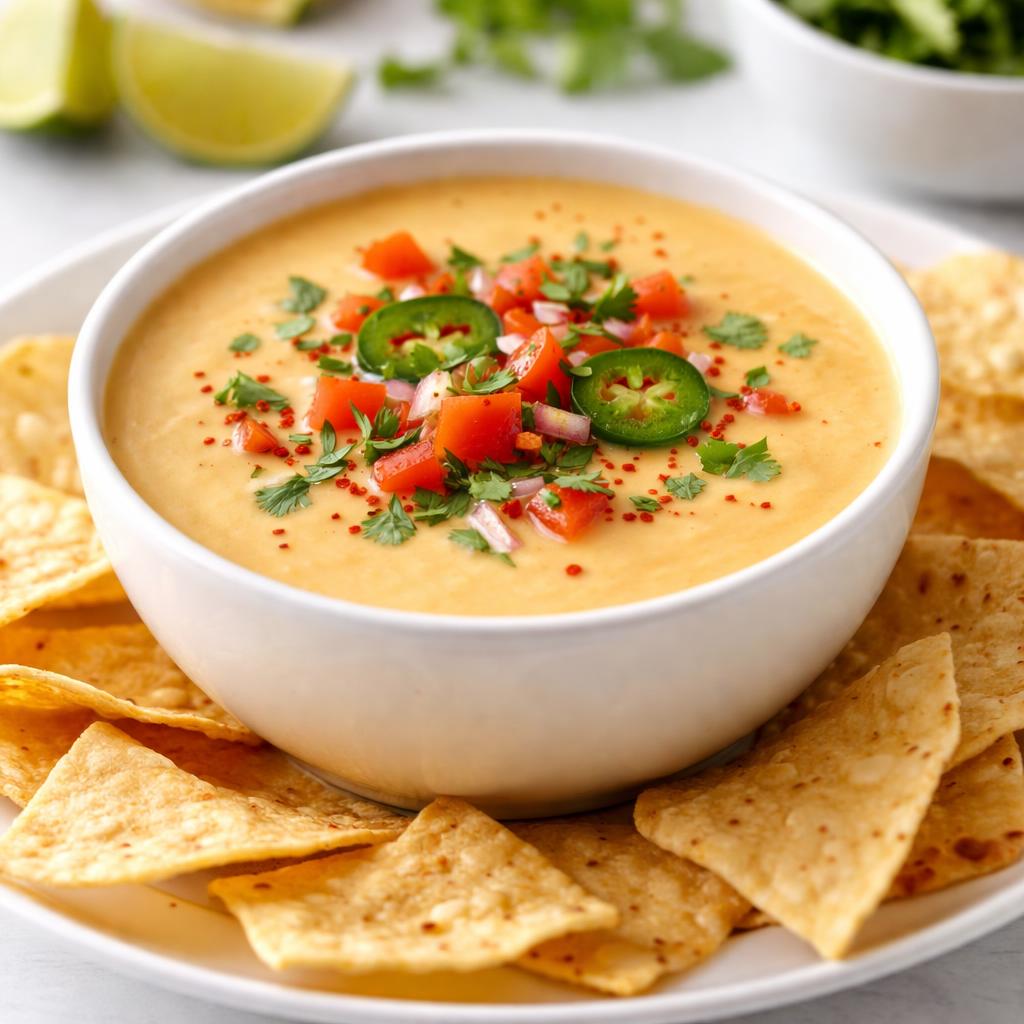
Queso
🎯 Quick Verdict
Salad is a low-calorie, fiber-rich food that provides a variety of vitamins, making it ideal for weight management and digestion. Queso, on the other hand, is high in calories and protein with a good dose of calcium, better suited for energy and muscle support in moderation. Salad is versatile for lighter meals, while queso works as an indulgent option or protein boost.

Smart Nutrition Tracking with SnapCalorie

📊 Nutritional Comparison
Macronutrients
| Nutrient | Food 1 | Food 2 | Winner |
|---|---|---|---|
| Calories | 35 | 100 | ✓ |
| Protein | 2g | 6g | ✓ |
| Carbs | 5g | 3g | ✓ |
| Fat | 0g | 8g | ✓ |
| Fiber | 3g | 0g | ✓ |
Vitamins & Minerals
| Nutrient | Food 1 | Food 2 | Winner |
|---|---|---|---|
| Vitamin C | 15mg | 0mg | ✓ |
| Vitamin D | 0mcg | 2mcg | ✓ |
| Calcium | 50mg | 200mg | ✓ |
| Iron | 1mg | 0.1mg | ✓ |
🏆 Category Winners
Protein
Queso provides three times the protein of salad per serving.
Fiber
Salad contains 3g of fiber while queso contains none.
Calories
Salad has 65% fewer calories compared to queso.
🥗 Diet Compatibility
Keto
Food 1: Moderately Compatible
Food 2: Compatible
Queso is high-fat and low-carb, perfect for keto. Salad is low-carb but lacks substantial fats.
Vegan
Food 1: Compatible
Food 2: Not Compatible
Salad is plant-based, while queso is made from dairy.
Gluten Free
Food 1: Compatible
Food 2: Compatible
Neither option contains gluten.
Paleo
Food 1: Compatible
Food 2: Not Compatible
Salad is unprocessed and paleo-friendly. Cheese is not considered paleo-friendly due to dairy content.
Low-Carb
Food 1: Compatible
Food 2: Compatible
Both foods are low-carb with less than 5g of carbs per serving.
💪 Health Benefits Comparison
Food 1 Benefits
- Excellent source of fiber for healthy digestion
- High in vitamin C for immune system support
- Low-calorie option ideal for weight management
- Rich in antioxidants to combat oxidative stress
Food 2 Benefits
- High in protein for muscle maintenance
- Good source of calcium for strong bones
- Offers healthy fats that support heart health
- Contains vitamin D for bone health and immune function
✅ The Bottom Line
Choose salad for low-calorie, nutrient-rich meals that support digestion and weight loss. Opt for queso when you prioritize protein and fats for energy or muscle repair, but consume it in moderation due to its higher calorie content.
Choose Food 1 for: Weight management, digestion, light meals
Choose Food 2 for: Energy boost, muscle recovery, indulgent flavor


