Salad VS Prosciutto
A detailed nutritional comparison
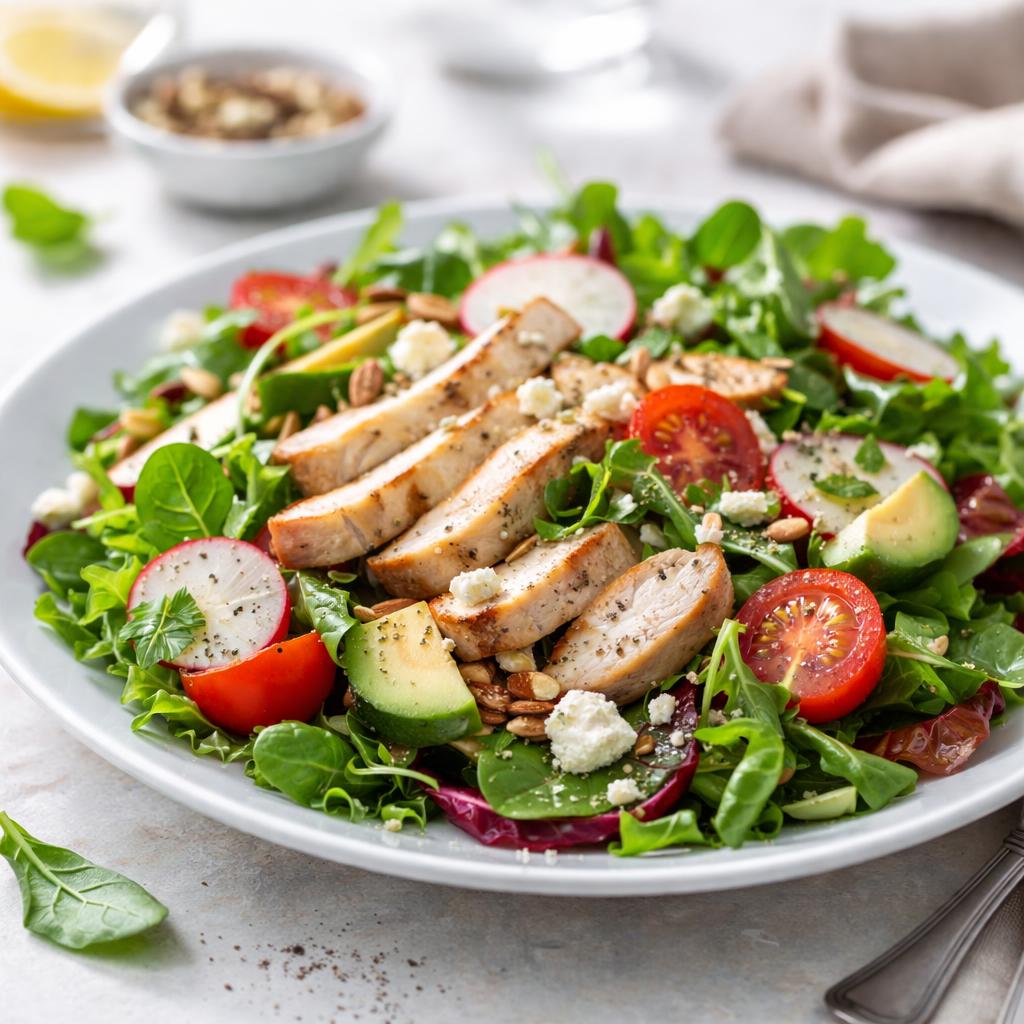
Salad
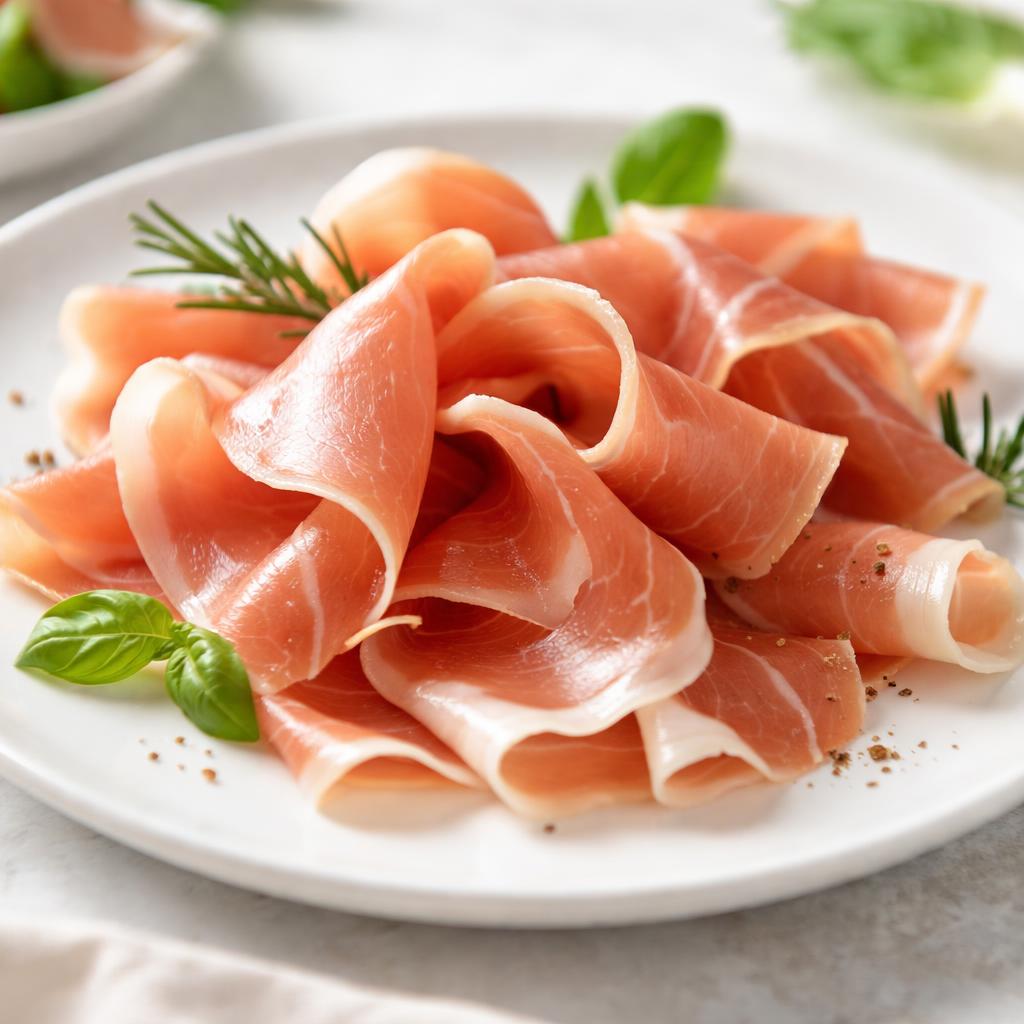
Prosciutto
🎯 Quick Verdict
Both salad and prosciutto offer distinct nutritional benefits. Salad is low-calorie, rich in fiber, and contains key vitamins like Vitamin C, making it ideal for weight loss and digestion support. Prosciutto, on the other hand, is high in protein and delivers ample sodium, making it good for those needing a protein boost but less suitable for low-sodium diets. The best option depends on dietary priorities such as calorie control vs protein intake.

Smart Nutrition Tracking with SnapCalorie

📊 Nutritional Comparison
Macronutrients
| Nutrient | Food 1 | Food 2 | Winner |
|---|---|---|---|
| Calories | 50 | 130 | ✓ |
| Protein | 2g | 12g | ✓ |
| Carbs | 8g | 0g | ✓ |
| Fat | 0.5g | 9g | ✓ |
| Fiber | 3g | 0g | ✓ |
Vitamins & Minerals
| Nutrient | Food 1 | Food 2 | Winner |
|---|---|---|---|
| Vitamin C | 25mg | 0mg | ✓ |
| Vitamin A | 2000 IU | 0 IU | ✓ |
| Iron | 0.5mg | 1mg | ✓ |
🏆 Category Winners
Protein
Food2 (prosciutto) contains 6x more protein than Food1.
Fiber
Food1 (salad) contains natural fiber which is absent in prosciutto.
Calories
Food1 has significantly fewer calories, making it better for weight control.
Vitamins
Food1 is rich in Vitamin C and A, which prosciutto lacks entirely.
🥗 Diet Compatibility
Keto
Food 1: Not Compatible
Food 2: Compatible
Food2 is carb-free, while Food1 contains 8g carbs.
Vegan
Food 1: Compatible
Food 2: Not Compatible
Food1 is plant-based; Food2 contains animal-derived ingredients.
Gluten Free
Food 1: Compatible
Food 2: Compatible
Neither food contains gluten.
Paleo
Food 1: Compatible
Food 2: Compatible
Both align with the paleo diet principles.
Low Carbohydrate
Food 1: Not Compatible
Food 2: Compatible
Food2 is ideal for low-carb diets, while Food1 has moderate carbs.
💪 Health Benefits Comparison
Food 1 Benefits
- Low-calorie and good for weight management
- High in fiber for digestion and gut health
- Rich in Vitamin C, boosting the immune system
Food 2 Benefits
- High in protein for muscle maintenance and growth
- Low in carbs, making it compatible with keto diets
- Contains essential minerals like iron and zinc
✅ The Bottom Line
For weight management and gut health, Food1 (salad) is an excellent choice. Food2 (prosciutto) is better for protein needs or low-carb diets, but its high sodium and fat content should be considered. Pairing both foods can balance nutrition effectively.
Choose Food 1 for: Weight loss, digestion improvement, immune support
Choose Food 2 for: Low-carb diets, muscle recovery, protein-dense meals


