Salad VS Pomegranate Seeds
A detailed nutritional comparison
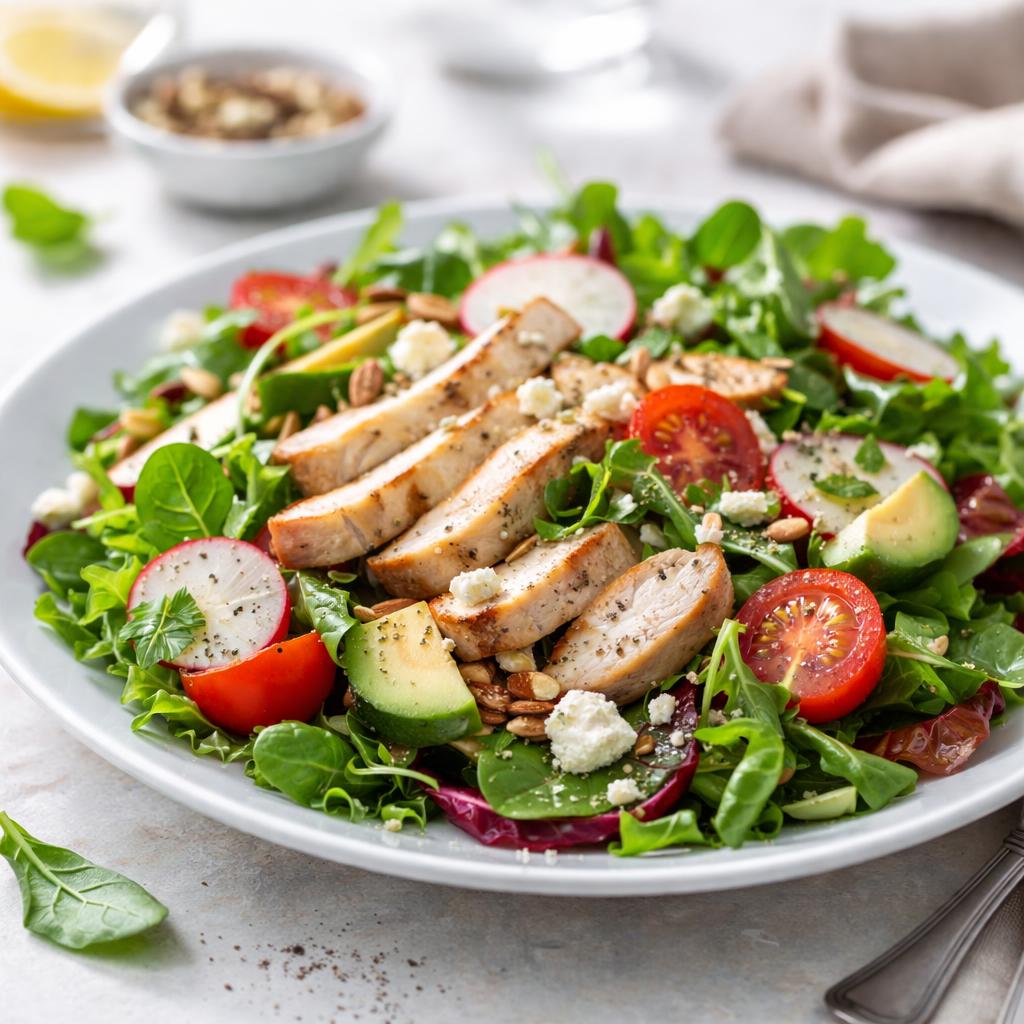
Salad
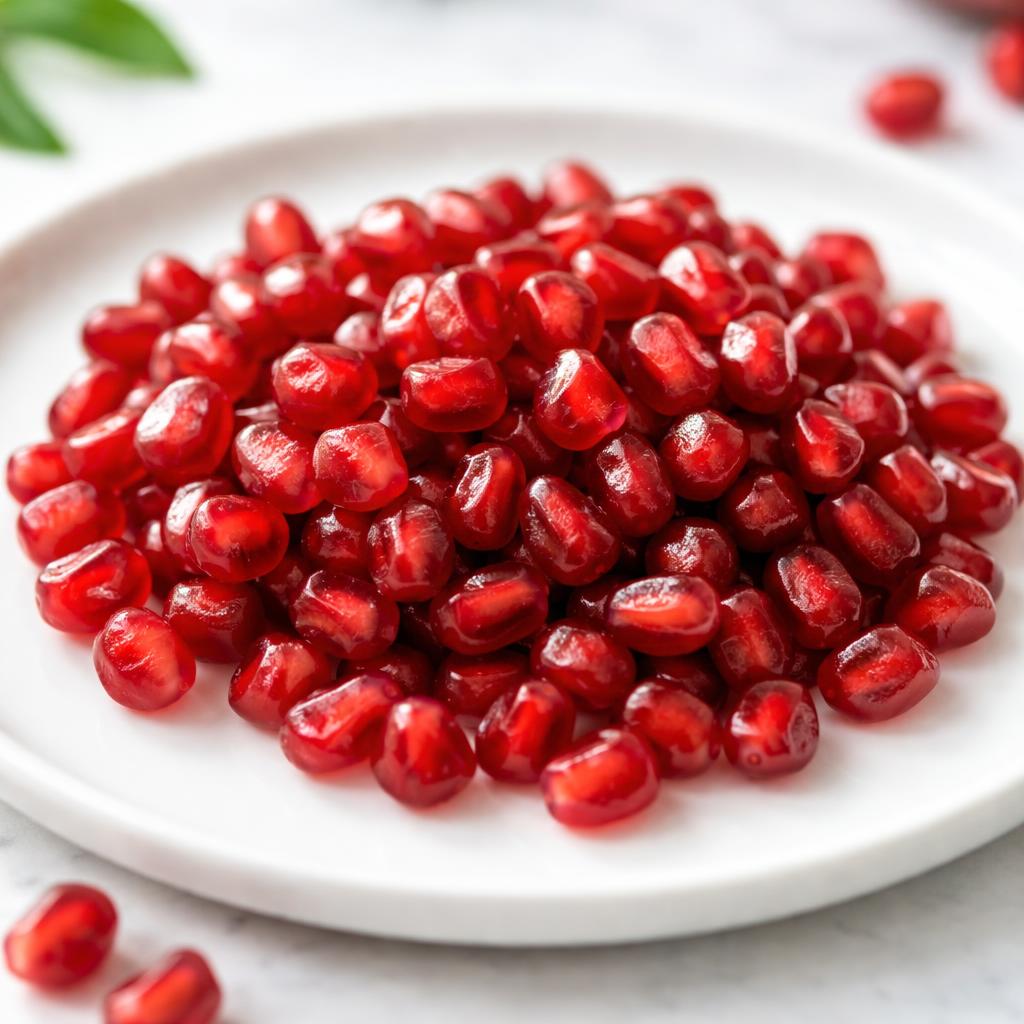
Pomegranate Seeds
🎯 Quick Verdict
Salad is a low-calorie, light option packed with protein and diverse nutrients, ideal for weight loss or post-workout meals. Pomegranate seeds offer higher fiber, natural sugars, and antioxidants, making them better for sustained energy and heart health. Each has unique benefits depending on your dietary needs.

Smart Nutrition Tracking with SnapCalorie

📊 Nutritional Comparison
Macronutrients
| Nutrient | Food 1 | Food 2 | Winner |
|---|---|---|---|
| Calories | 50 per cup | 83 per cup | ✓ |
| Protein | 3g per cup | 1.5g per cup | ✓ |
| Carbs | 8g per cup | 18g per cup | ✓ |
| Fat | 0.2g per cup | 1.2g per cup | ✓ |
| Fiber | 1g per cup | 4g per cup | ✓ |
Vitamins & Minerals
| Nutrient | Food 1 | Food 2 | Winner |
|---|---|---|---|
| Vitamin C | 18mg (20% DV) | 10mg (11% DV) | ✓ |
| Vitamin K | 60mcg (50% DV) | 16mcg (13% DV) | ✓ |
| Potassium | 240mg | 205mg | ✓ |
| Antioxidants | Minimal | High | ✓ |
🏆 Category Winners
Protein
Salad contains double the protein compared to pomegranate seeds.
Fiber
Pomegranate seeds contain 4x more fiber than salad.
Calories
Salad has 40% fewer calories per cup.
Vitamins
Salad has higher vitamin C, vitamin K, and potassium concentrations.
🥗 Diet Compatibility
Keto
Food 1: Compatible
Food 2: Not Compatible
Salad is low-carb, while pomegranate seeds are higher in natural sugars.
Vegan
Food 1: Compatible
Food 2: Compatible
Both foods are plant-based and vegan-friendly.
Gluten Free
Food 1: Compatible
Food 2: Compatible
Neither contains gluten.
Paleo
Food 1: Compatible
Food 2: Compatible
Both adhere to paleo principles as whole, natural foods.
Low-Carb
Food 1: Compatible
Food 2: Not Compatible
Salad features lower carbs suitable for low-carb diets.
💪 Health Benefits Comparison
Food 1 Benefits
- Low-calorie option for weight loss
- Rich in vitamin K for bone health
- Provides potassium for electrolyte balance
- High protein content relative to similar greens
Food 2 Benefits
- Rich in antioxidants for cell protection
- High in fiber for digestive health
- Contains healthy natural sugars for energy
- Provides moderate vitamin C for immune health
✅ The Bottom Line
Choose salad for low-calorie, high-protein meals, especially if you're focusing on weight loss or active recovery. Pomegranate seeds are best for a nutrient-dense snack or heart-healthy addition packed with fiber and antioxidants.
Choose Food 1 for: Weight loss, high-protein meals, post-workout recovery
Choose Food 2 for: Heart health, energy boosts, nutrient-rich snacks


