Salad VS Pineapple
A detailed nutritional comparison
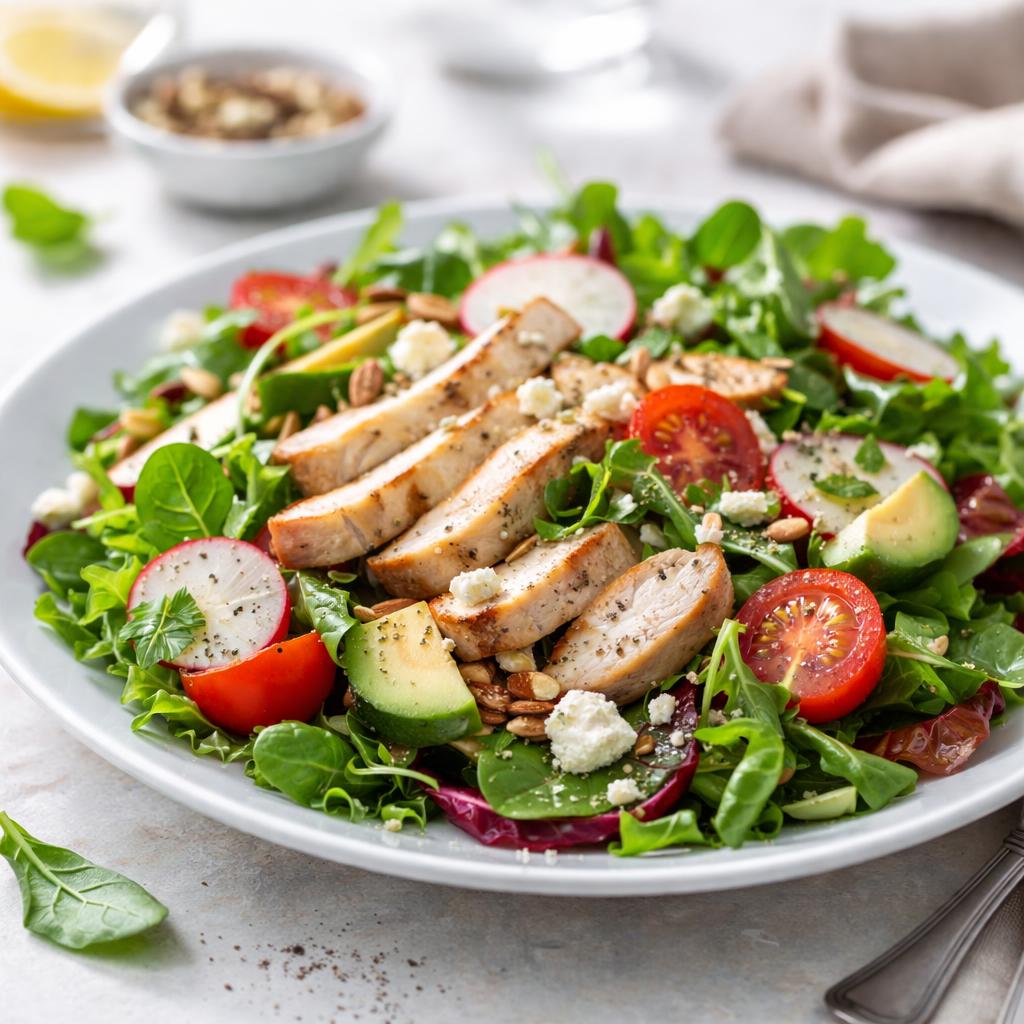
Salad
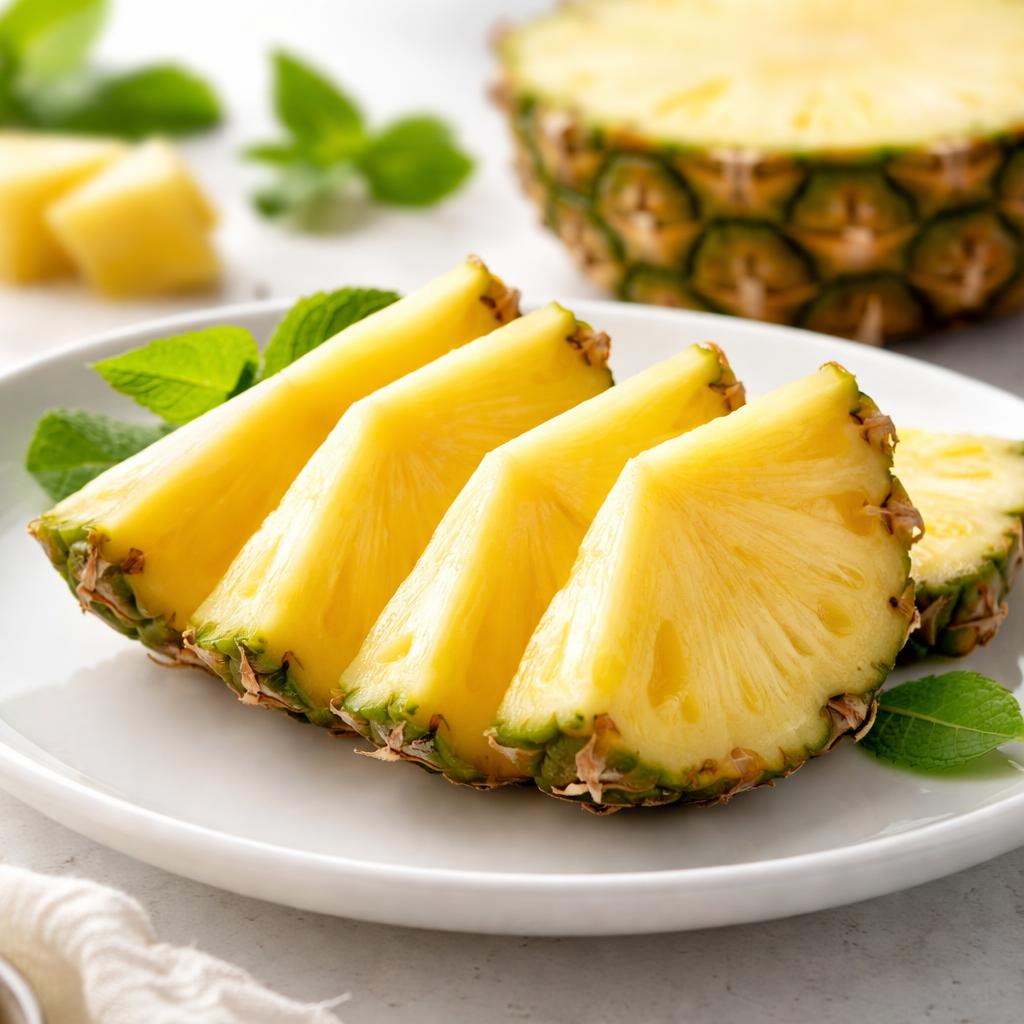
Pineapple
🎯 Quick Verdict
Salad is lower in calories and offers significantly more fiber and protein, making it ideal for weight management and digestion. Pineapple, on the other hand, is rich in natural sugars and antioxidants, providing quick energy and immune support. Both are plant-based and nutrient-dense, but they serve different dietary purposes depending on goals and preferences.

Smart Nutrition Tracking with SnapCalorie

📊 Nutritional Comparison
Macronutrients
| Nutrient | Food 1 | Food 2 | Winner |
|---|---|---|---|
| Calories | 35 | 82 | − |
| Protein | 2g | 1g | − |
| Carbs | 7g | 22g | − |
| Fat | 0.2g | 0.2g | − |
| Fiber | 3g | 2.3g | − |
Vitamins & Minerals
| Nutrient | Food 1 | Food 2 | Winner |
|---|---|---|---|
| Vitamin C | 10mg | 79mg | − |
| Vitamin A | 165mcg | 3mcg | − |
| Calcium | 33mg | 13mg | − |
| Iron | 2.2mg | 0.3mg | − |
🏆 Category Winners
Protein
Salad has double the protein per serving compared to pineapple.
Fiber
Salad provides approximately 30% more fiber than pineapple per serving.
Calories
Salad has roughly 60% fewer calories than pineapple.
Vitamins
Salad leads with Vitamin A, calcium, and iron, while pineapple is superior in Vitamin C.
🥗 Diet Compatibility
Keto
Food 1: Compatible
Food 2: Not Compatible
Salad is lower-carb (7g per serving), while pineapple has higher sugars (22g).
Vegan
Food 1: Compatible
Food 2: Compatible
Both are plant-based.
Gluten Free
Food 1: Compatible
Food 2: Compatible
Neither contains gluten.
Paleo
Food 1: Compatible
Food 2: Compatible
Both align with Paleo principles.
Low Carb
Food 1: More Compatible
Food 2: Less Compatible
Salad has significantly fewer carbs compared to pineapple.
💪 Health Benefits Comparison
Food 1 Benefits
- Low in calories for weight management
- High in fiber for digestion
- Contains Vitamin A for eye and skin health
- Rich in calcium and iron for bone health and energy
Food 2 Benefits
- Rich in Vitamin C for immune support
- Natural sugars for quick energy boost
- Contains antioxidants to reduce inflammation
- Promotes hydration due to high water content
✅ The Bottom Line
Choose salad for low-calorie meals, digestive support, and nutrient density. Opt for pineapple when you need a natural sweet treat or post-workout energy boost, thanks to its sugars and Vitamin C.
Choose Food 1 for: Weight management, digestion, light meals
Choose Food 2 for: Quick energy, immune support, tropical flavor


