Salad VS Pepperoni Pizza
A detailed nutritional comparison
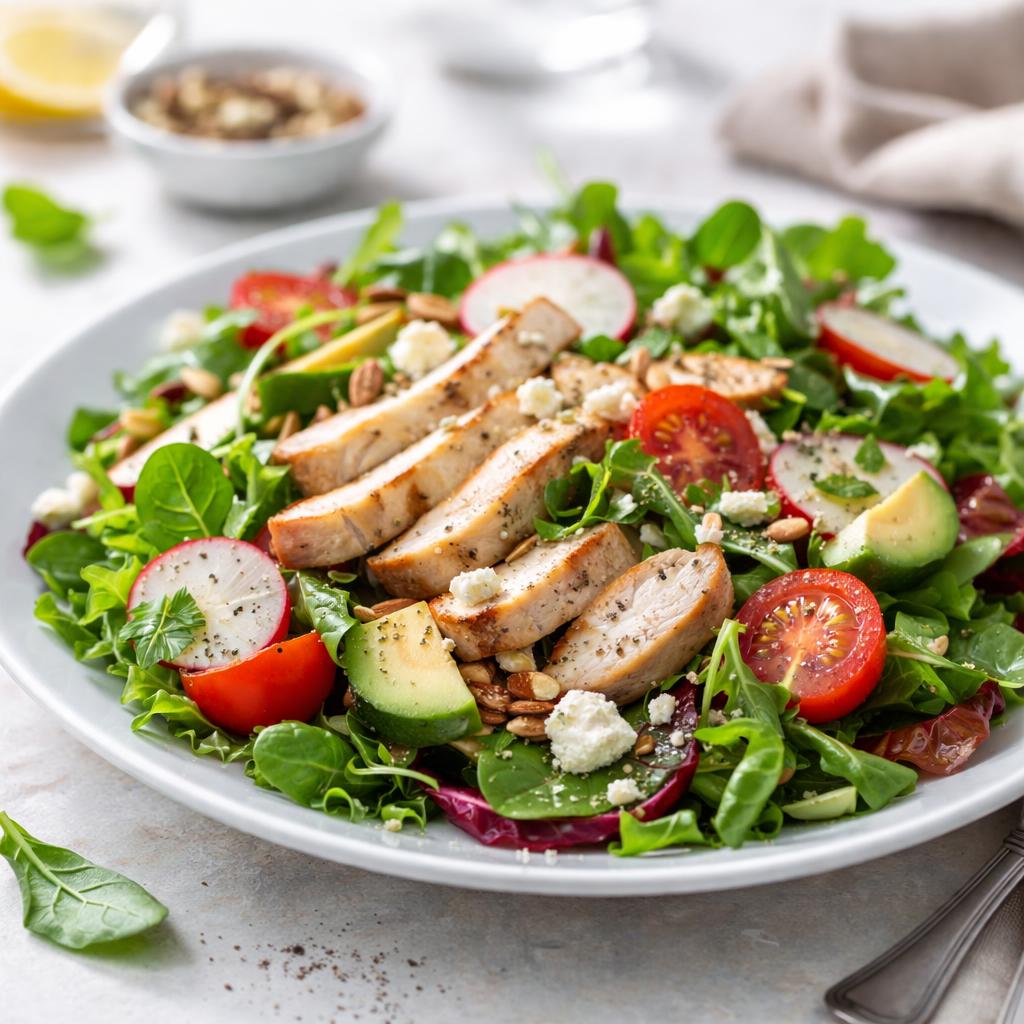
Salad
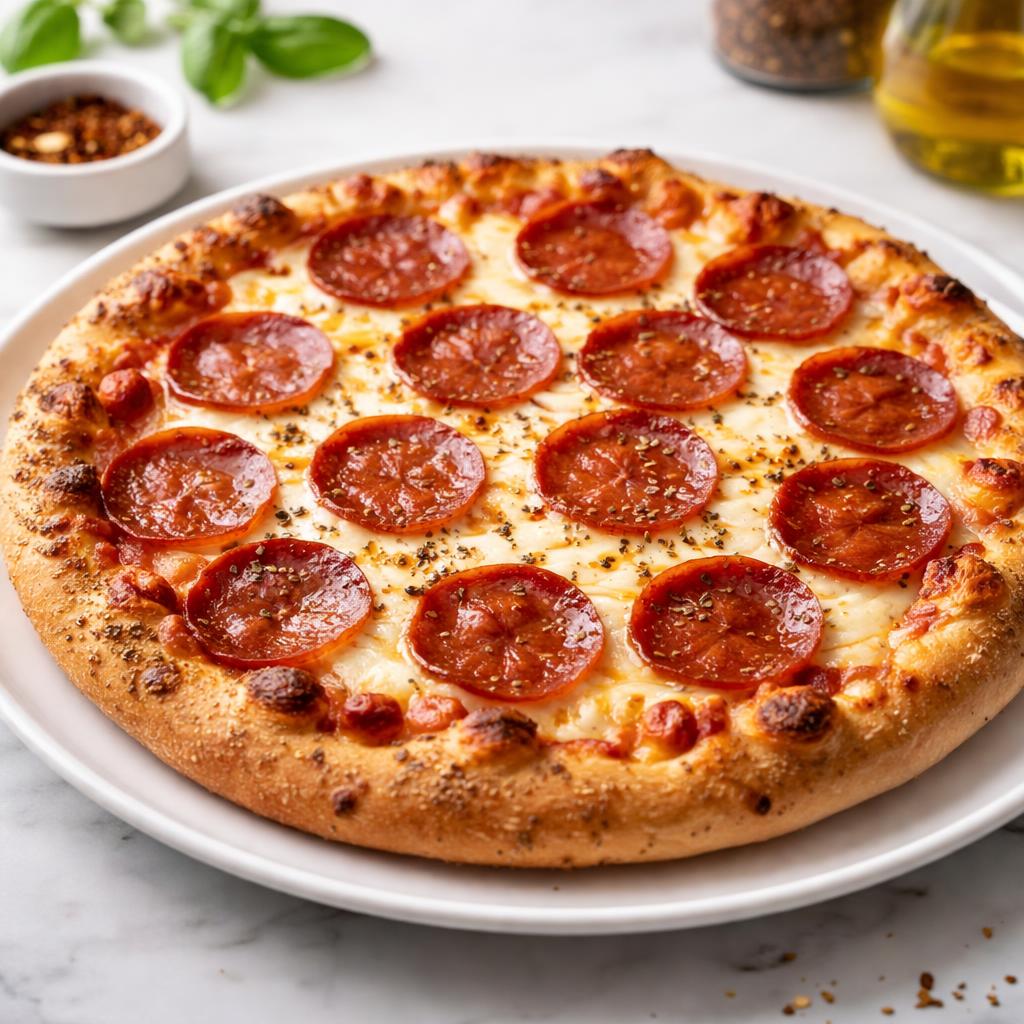
Pepperoni Pizza
🎯 Quick Verdict
Salad is a nutrient-dense option with lower calories, higher fiber, and greater micronutrient variety, making it ideal for weight management and overall health. Pepperoni pizza, on the other hand, delivers more protein and calories, offering a satisfying meal suited for active individuals needing higher energy intake with less focus on weight loss goals.

Smart Nutrition Tracking with SnapCalorie

📊 Nutritional Comparison
Macronutrients
| Nutrient | Food 1 | Food 2 | Winner |
|---|---|---|---|
| Calories | 150 | 285 | ✓ |
| Protein | 3g | 12g | ✓ |
| Carbs | 10g | 36g | ✓ |
| Fat | 8g | 10g | ✓ |
| Fiber | 4g | 2g | ✓ |
Vitamins & Minerals
| Nutrient | Food 1 | Food 2 | Winner |
|---|---|---|---|
| Vitamin A | 1500 IU | 300 IU | ✓ |
| Vitamin C | 20mg | 2mg | ✓ |
| Calcium | 50mg | 150mg | ✓ |
| Iron | 2mg | 1.5mg | ✓ |
🏆 Category Winners
Protein
Pepperoni pizza contains 4x more protein than salad.
Fiber
Salad has double the fiber content per serving.
Calories
Salad has nearly 50% fewer calories than pepperoni pizza.
Vitamins
Salad delivers higher levels of Vitamin A, C, and Iron, enhancing overall micronutrient intake.
🥗 Diet Compatibility
Keto
Food 1: Compatible
Food 2: Not Compatible
Salad is low-carb, while pizza has a high carbohydrate content due to its crust.
Vegan
Food 1: Compatible
Food 2: Not Compatible
Salad can easily be vegan, while pizza generally contains cheese and pepperoni.
Gluten Free
Food 1: Compatible
Food 2: Not Compatible
Salad is naturally gluten-free, but pizza contains wheat-based crust.
Paleo
Food 1: Compatible
Food 2: Not Compatible
Salad aligns with paleo principles, while pizza contains processed ingredients and grains.
Low Carb
Food 1: Compatible
Food 2: Not Compatible
Salad provides minimal carbs, while pizza is high in carbs due to the crust.
💪 Health Benefits Comparison
Food 1 Benefits
- Low in calories for weight management
- Rich in fiber for digestive health
- Contains high levels of antioxidants (Vitamin A and C)
- Naturally gluten-free and versatile for various diets
Food 2 Benefits
- Higher protein content for muscle recovery
- Provides calcium for bone health
- Rich in calories for energy needs
- Offers satisfying fat content to promote satiety
✅ The Bottom Line
Choose salad for weight management, digestion, and boosting micronutrient intake while supporting various restrictive diets. Opt for pepperoni pizza when seeking a higher-calorie, protein-rich option for energy and muscle recovery, ideal after intense physical activities.
Choose Food 1 for: Weight loss, plant-based diets, micronutrient intake
Choose Food 2 for: Post-workout meals, calorie-dense meals, protein boosting


