Salad VS Parmesan Cheese
A detailed nutritional comparison
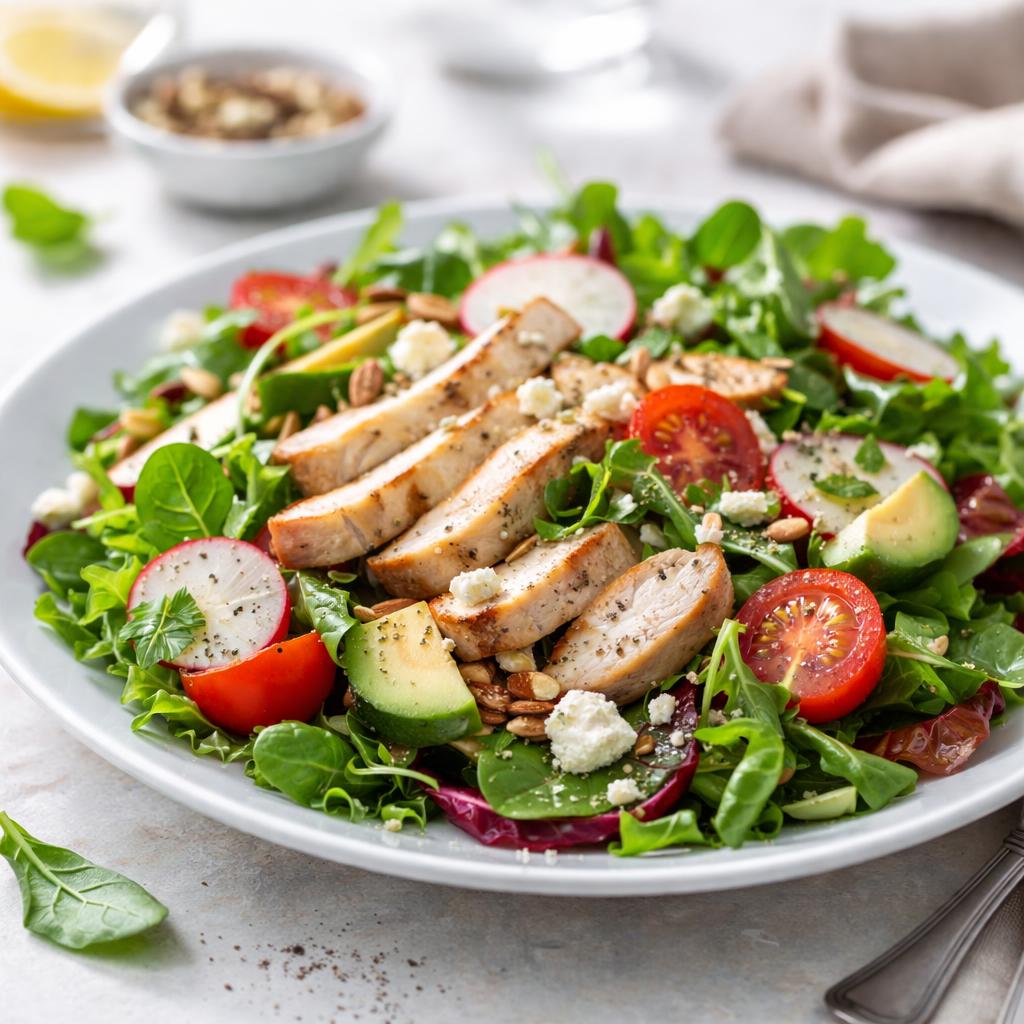
Salad
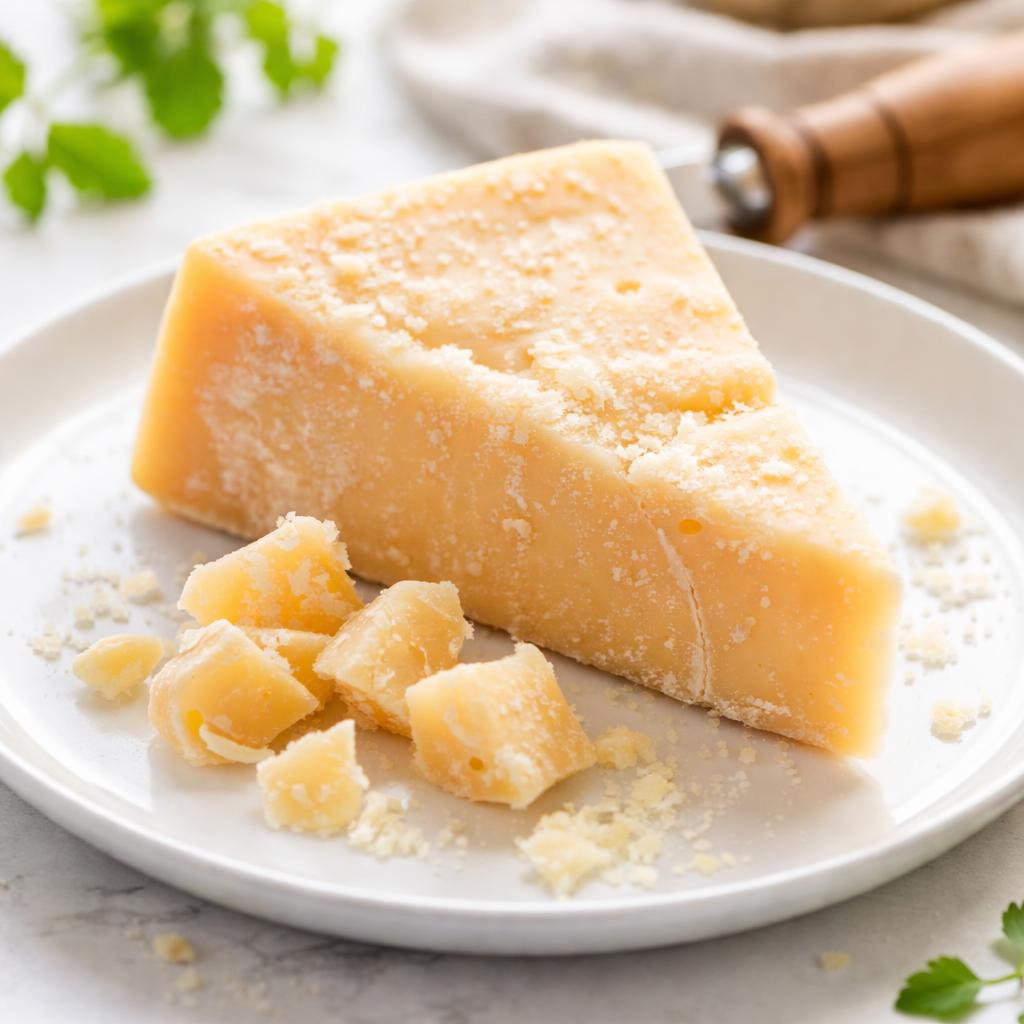
Parmesan Cheese
🎯 Quick Verdict
Salad is significantly lower in calories and provides fiber, making it ideal for weight management and digestion. Parmesan cheese is protein-rich and calorically dense, offering a concentrated source of calcium and other nutrients. Salad is best for light, nutrient-focused meals, while parmesan cheese excels as a protein and flavor enhancer in small quantities.

Smart Nutrition Tracking with SnapCalorie

📊 Nutritional Comparison
Macronutrients
| Nutrient | Food 1 | Food 2 | Winner |
|---|---|---|---|
| Calories | 25 (per 100g) | 431 (per 100g) | ✓ |
| Protein | 1.5g (per 100g) | 38g (per 100g) | ✓ |
| Carbs | 3.6g (per 100g) | 4g (per 100g) | ✓ |
| Fat | 0.2g (per 100g) | 29g (per 100g) | ✓ |
| Fiber | 2g (per 100g) | 0g (per 100g) | ✓ |
Vitamins & Minerals
| Nutrient | Food 1 | Food 2 | Winner |
|---|---|---|---|
| Vitamin A | 126mcg (per 100g) | 27mcg (per 100g) | ✓ |
| Vitamin D | 0mcg (per 100g) | 0.2mcg (per 100g) | ✓ |
| Calcium | 33mg (per 100g) | 1300mg (per 100g) | ✓ |
| Iron | 0.7mg (per 100g) | 0.1mg (per 100g) | ✓ |
🏆 Category Winners
Protein
Parmesan cheese contains 38g of protein per 100g, making it far superior to salad's 1.5g.
Fiber
Salad provides 2g of dietary fiber per 100g, whereas parmesan cheese has none.
Calories
Salad contains only 25 calories per 100g, compared to parmesan cheese's 431 calories.
Vitamins
Salad is rich in Vitamin A and iron, while parmesan cheese excels in calcium and Vitamin D.
🥗 Diet Compatibility
Keto
Food 1: Compatible
Food 2: Compatible
Both are low in net carbs, though parmesan cheese provides more fat.
Vegan
Food 1: Compatible
Food 2: Not Compatible
Salad is plant-based, whereas parmesan cheese is derived from milk.
Gluten Free
Food 1: Compatible
Food 2: Compatible
Neither contains gluten.
Paleo
Food 1: Compatible
Food 2: Not Compatible
Salad fits paleo diets, but parmesan cheese is excluded due to its dairy content.
Low-Carb
Food 1: Compatible
Food 2: Compatible
Both foods are low in carbohydrates and suitable for low-carb diets.
💪 Health Benefits Comparison
Food 1 Benefits
- Low in calories, supporting weight loss
- Rich in fiber for gut health
- Contains Vitamin A to support eye health
- Provides hydration due to water-rich vegetables
Food 2 Benefits
- High in protein for muscle building and maintenance
- Excellent source of calcium for bone health
- Contains healthy fats for energy and absorption of fat-soluble vitamins
- Provides small amounts of Vitamin D for immune function
✅ The Bottom Line
Choose salad for a nutrient-dense, low-calorie option focusing on fiber and hydration. Opt for parmesan cheese as a protein-rich addition to enhance the flavor and nutrient profile of meals. Combining both in a balanced portion can work well in most diets.
Choose Food 1 for: Weight management, digestion support, light meals
Choose Food 2 for: Muscle building, calcium intake, adding flavor and protein


