Salad VS Papaya
A detailed nutritional comparison
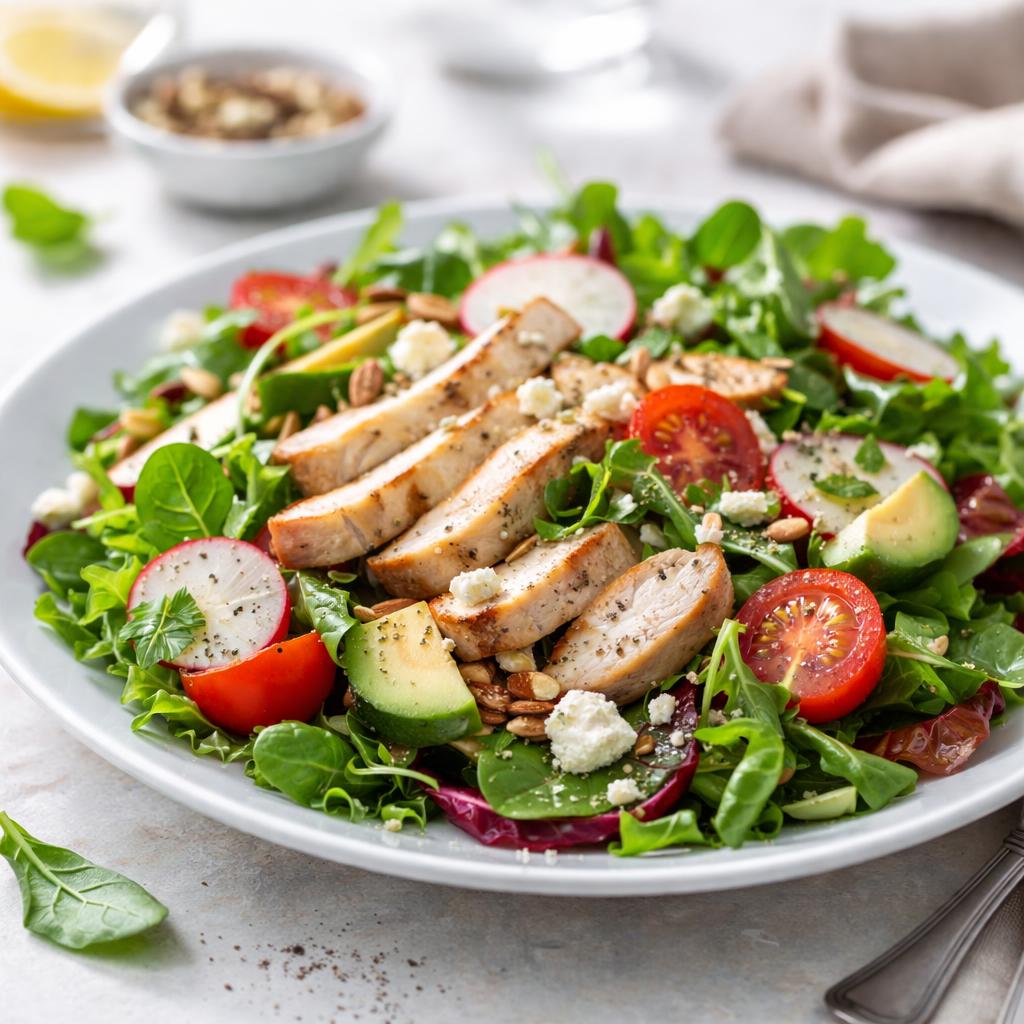
Salad
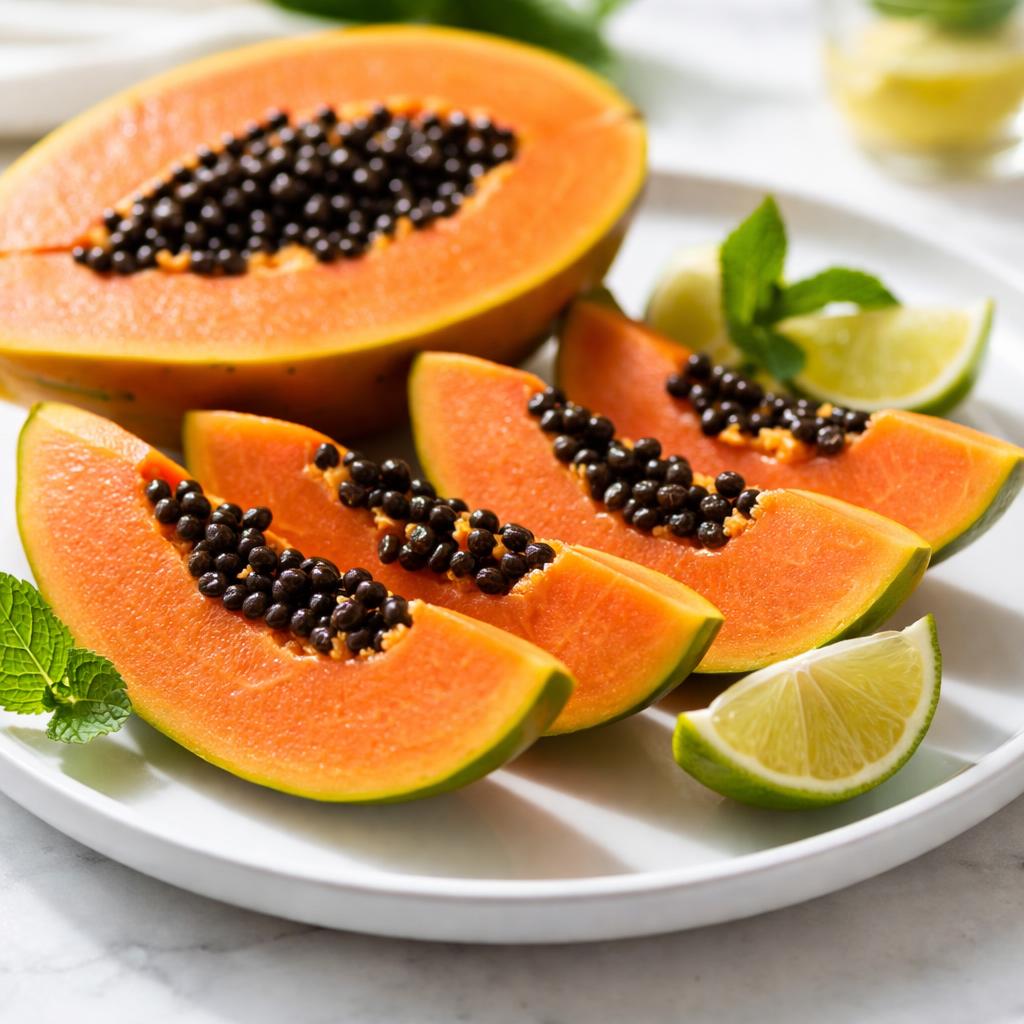
Papaya
🎯 Quick Verdict
Salad is lower in calories, higher in fiber, and offers modest protein content, making it ideal for weight control and digestion. Papaya, however, shines with higher nutrient density, boasting more vitamins like Vitamin C and antioxidants, which are great for immunity and skin health. They can complement each other in a balanced diet.

Smart Nutrition Tracking with SnapCalorie

📊 Nutritional Comparison
Macronutrients
| Nutrient | Food 1 | Food 2 | Winner |
|---|---|---|---|
| Calories | 35 | 59 | ✓ |
| Protein | 2g | 0.5g | ✓ |
| Carbs | 7g | 15g | ✓ |
| Fat | 0.5g | 0.3g | ✓ |
| Fiber | 2g | 1.5g | ✓ |
Vitamins & Minerals
| Nutrient | Food 1 | Food 2 | Winner |
|---|---|---|---|
| Vitamin A | 211mcg | 950mcg | ✓ |
| Vitamin C | 4mg | 60mg | ✓ |
| Folate | 20mcg | 37mcg | ✓ |
| Potassium | 125mg | 215mg | ✓ |
🏆 Category Winners
Protein
Food1 (salad) contains 300% more protein per serving.
Fiber
Food1 has slightly more fiber than papaya, aiding better digestion.
Calories
Food1 is significantly lower in calories.
Vitamins
Food2 is considerably richer in vitamin C and A, promoting immune health and vision.
🥗 Diet Compatibility
Keto
Food 1: Compatible
Food 2: Not Compatible
Food1 is lower in carbs compared to papaya, making it keto-friendly.
Vegan
Food 1: Compatible
Food 2: Compatible
Both foods are plant-based, ideal for vegan diets.
Gluten Free
Food 1: Compatible
Food 2: Compatible
Neither food contains gluten.
Paleo
Food 1: Compatible
Food 2: Compatible
Natural, whole food nature of both makes them suitable for paleo diets.
Low Carb
Food 1: Compatible
Food 2: Not Compatible
Papaya is higher in carbs (15g per serving) compared to salad (7g).
💪 Health Benefits Comparison
Food 1 Benefits
- Low in calories, supports weight loss
- Rich in fiber for digestive health
- Contains vitamins and antioxidants for overall wellness
Food 2 Benefits
- Rich source of Vitamin C for immune support
- Contains beta-carotene for skin and eye health
- Provides antioxidants to combat free radicals
✅ The Bottom Line
Choose salad for its lower calorie content, higher protein, and fiber if weight management and digestion are priorities. Papaya is better suited for those seeking nutrient density and improved immune and skin health. Both can be part of a balanced diet.
Choose Food 1 for: Weight loss, low-carb diets, digestive health
Choose Food 2 for: Vitamin boost, skin and eye health, antioxidant support


