Salad VS Olive Oil
A detailed nutritional comparison
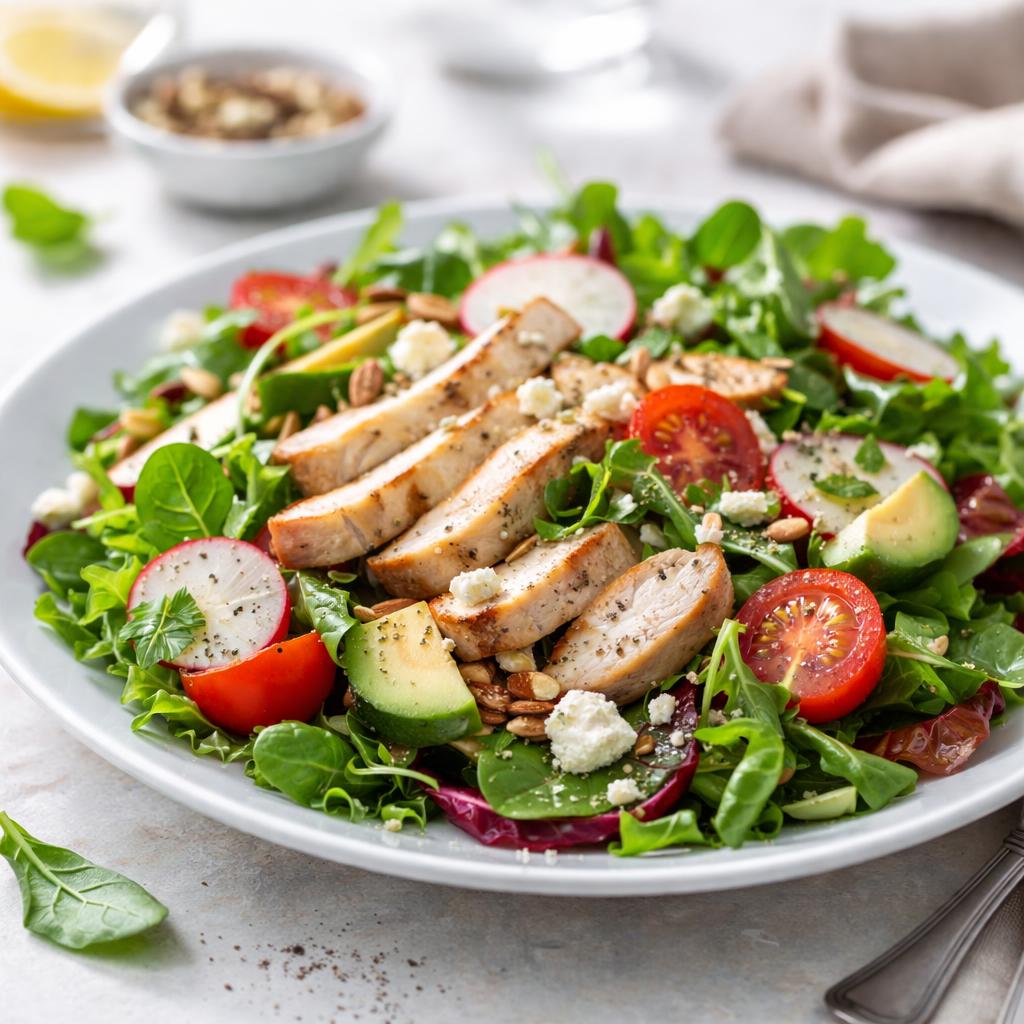
Salad
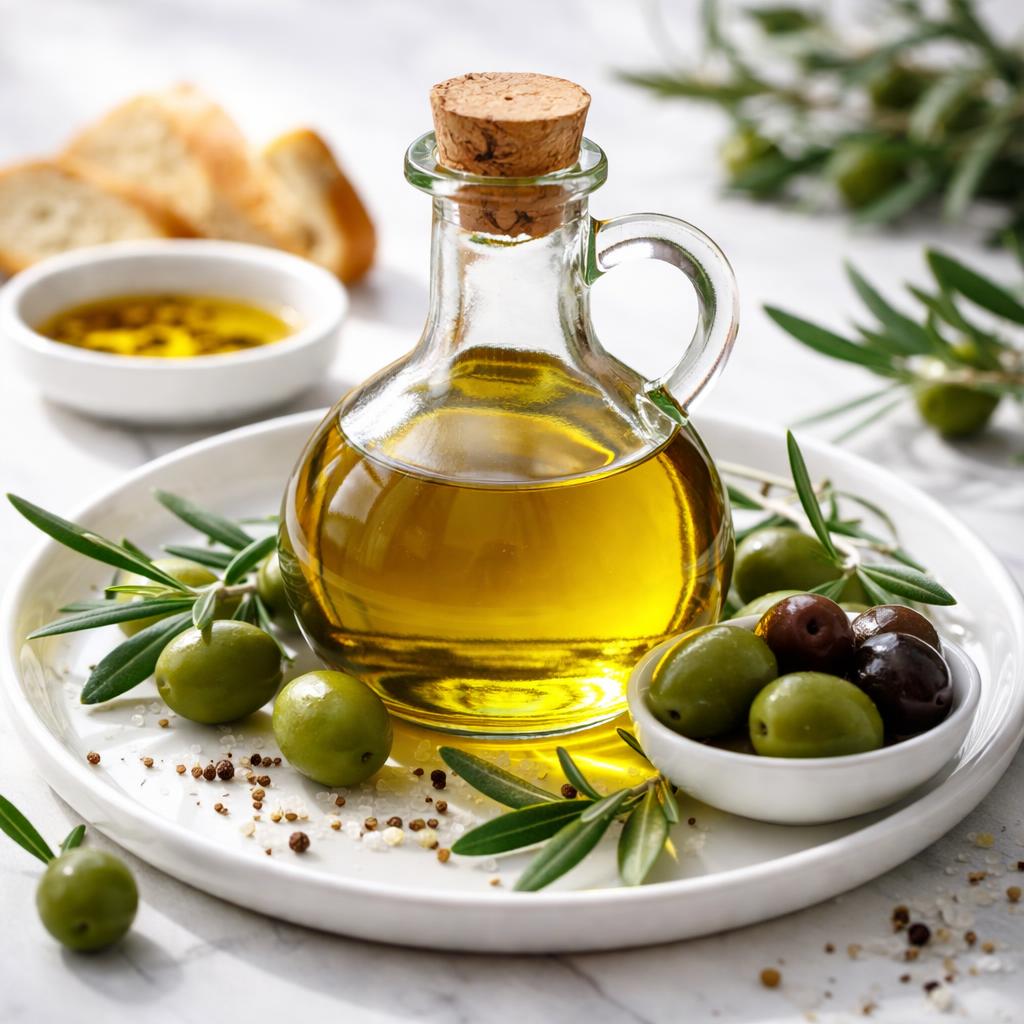
Olive Oil
🎯 Quick Verdict
Salad is lower in calories and rich in protein, fiber, and micronutrients, making it ideal for weight management and overall health. Olive oil is calorie-dense and provides healthy fats and vitamin E, supporting heart health and longevity. Both foods complement each other in creating a balanced diet, with salad offering macronutrient diversity and olive oil adding healthy fats and flavor.

Smart Nutrition Tracking with SnapCalorie

📊 Nutritional Comparison
Macronutrients
| Nutrient | Food 1 | Food 2 | Winner |
|---|---|---|---|
| Calories | 35 | 119 | ✓ |
| Protein | 2g | 0g | ✓ |
| Carbs | 7g | 0g | ✓ |
| Fat | 0.5g | 14g | ✓ |
| Fiber | 2g | 0g | ✓ |
Vitamins & Minerals
| Nutrient | Food 1 | Food 2 | Winner |
|---|---|---|---|
| Vitamin A | 120mcg | 0mcg | ✓ |
| Vitamin C | 15mg | 0mg | ✓ |
| Vitamin E | 0.5mg | 1.9mg | ✓ |
🏆 Category Winners
Protein
Salad contains 2g of protein, while olive oil has none.
Fiber
Salad has 2g of fiber per serving; olive oil has 0g.
Calories
Salad is low-calorie at 35 calories per serving compared to olive oil's 119 calories.
Vitamins
Salad is rich in Vitamin A and C, while olive oil provides Vitamin E.
🥗 Diet Compatibility
Keto
Food 1: Compatible
Food 2: Compatible
Both foods are keto-friendly. Salad is low-carb, and olive oil is a source of healthy fats.
Vegan
Food 1: Compatible
Food 2: Compatible
Both foods are plant-based and suitable for vegan diets.
Gluten Free
Food 1: Compatible
Food 2: Compatible
Neither contains gluten.
Paleo
Food 1: Compatible
Food 2: Compatible
Both foods fit into a Paleo diet.
Low Carb
Food 1: Compatible
Food 2: Compatible
Food1 has only 7g of carbs per serving, and olive oil contributes zero carbs.
💪 Health Benefits Comparison
Food 1 Benefits
- Low-calorie option for weight management
- Contains fiber for improved digestion
- High in antioxidants like Vitamin A and C
- Supports hydration with a high water content
Food 2 Benefits
- Rich source of healthy monounsaturated fats for heart health
- Contains Vitamin E for skin and immune health
- May reduce inflammation due to its polyphenol content
- Supports brain health with essential fats
✅ The Bottom Line
Salad and olive oil are complementary foods with distinct benefits. Choose salad for its low-calorie, high-fiber, and vitamin-rich profile, making it ideal for weight management and general health. Olive oil is best as a healthy fat source to support heart and brain health. Combining both in meals provides a balanced nutritional profile.
Choose Food 1 for: Weight management, high-nutrient meals, digestion support
Choose Food 2 for: Heart health, healthy fat intake, anti-inflammatory diets


