Salad VS Noodles
A detailed nutritional comparison
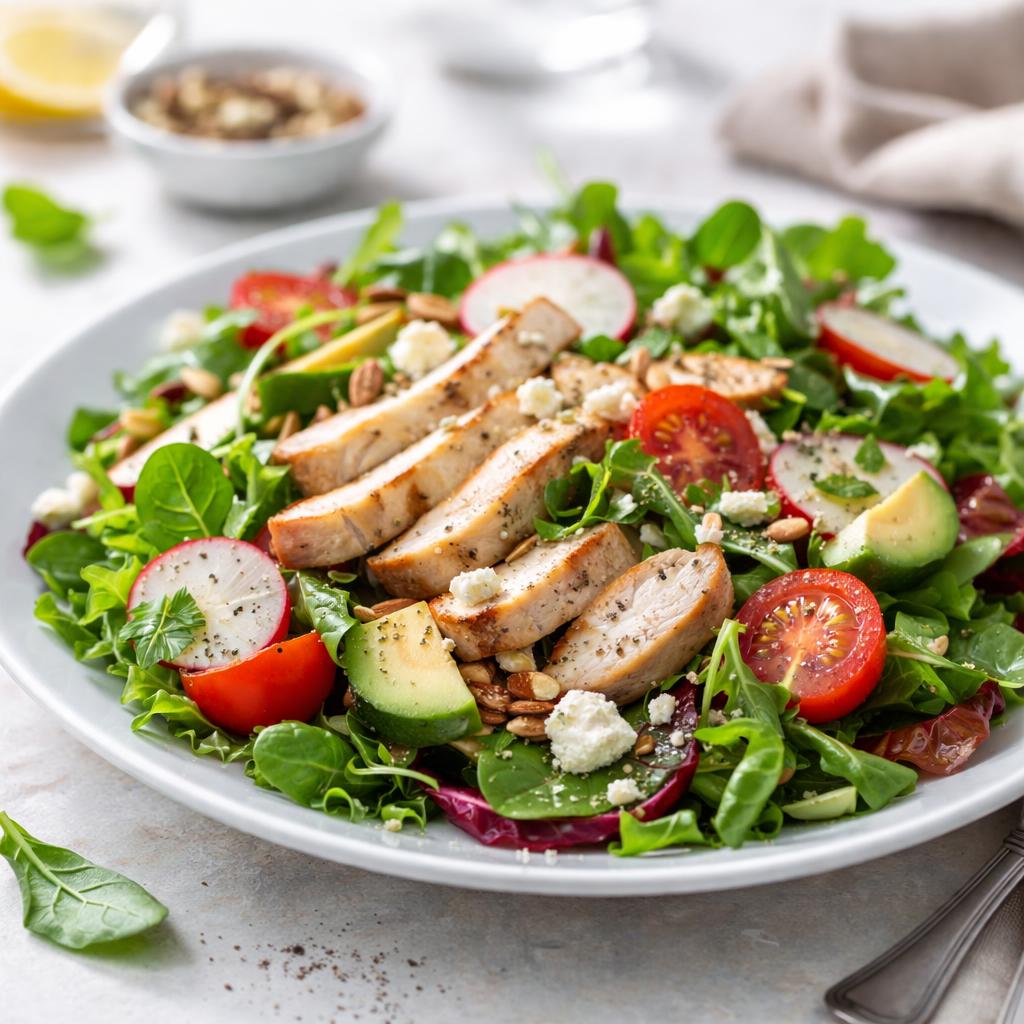
Salad
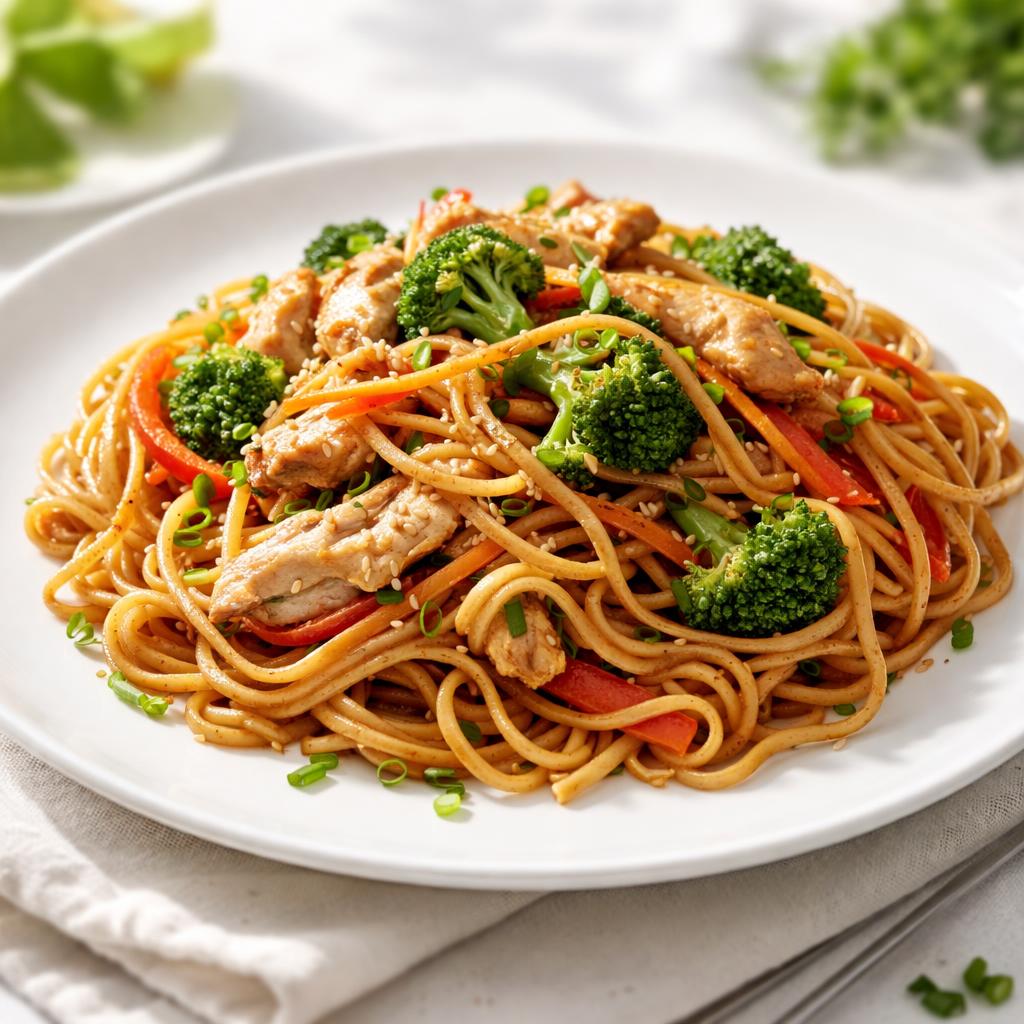
Noodles
🎯 Quick Verdict
Salad offers lower calories, is higher in fiber, and packs more vitamins and minerals, making it ideal for weight loss and maintaining digestion. Noodles, while calorie-dense, can provide sustained energy through carbohydrates and are a better fit for active lifestyles or carb-heavy diets.

Smart Nutrition Tracking with SnapCalorie

📊 Nutritional Comparison
Macronutrients
| Nutrient | Food 1 | Food 2 | Winner |
|---|---|---|---|
| Calories | 50 | 200 | ✓ |
| Protein | 2g | 7g | ✓ |
| Carbs | 10g | 40g | ✓ |
| Fat | 0.5g | 2g | ✓ |
| Fiber | 3g | 1g | ✓ |
Vitamins & Minerals
| Nutrient | Food 1 | Food 2 | Winner |
|---|---|---|---|
| Vitamin C | 20mg | 0mg | ✓ |
| Vitamin A | 3000IU | 0IU | ✓ |
| Iron | 1.5mg | 2mg | ✓ |
| Calcium | 40mg | 20mg | ✓ |
🏆 Category Winners
Protein
Noodles provide 3.5x more protein per serving.
Fiber
Salad contains 3g of fiber vs only 1g from noodles.
Calories
Salad has 75% fewer calories per serving than noodles.
Vitamins
Salad is far richer in vitamins like A and C.
🥗 Diet Compatibility
Keto
Food 1: Compatible
Food 2: Not Compatible
Salad is lower in carbs (10g per serving) while noodles are carb-heavy (40g per serving).
Vegan
Food 1: Compatible
Food 2: Compatible
Both foods are plant-based and suitable for vegan diets.
Gluten Free
Food 1: Compatible
Food 2: Not Compatible
Salad does not contain gluten, but traditional noodles usually do unless specified as gluten-free varieties.
Paleo
Food 1: Compatible
Food 2: Not Compatible
Salad is paleo-friendly but noodles typically contain processed grains.
Low Carb
Food 1: Compatible
Food 2: Not Compatible
Salad is compatible with low-carb diets while noodles are high in carbohydrates.
💪 Health Benefits Comparison
Food 1 Benefits
- Low in calories, ideal for weight management
- Rich in fiber for improved digestion
- Contains high levels of antioxidants (Vitamin A and C)
Food 2 Benefits
- Provides sustained energy through complex carbs
- Source of plant-based protein for muscle repair
- Good for individuals following high-calorie diets
✅ The Bottom Line
Salad is the better choice for weight loss, digestion support, and high micronutrient intake due to its low calories and rich vitamin content. Noodles, on the other hand, are more suited for energy-demanding activities or high-carb diets due to their calorie and protein profile.
Choose Food 1 for: Weight management, low-carb diets, nutrient intake
Choose Food 2 for: Active lifestyles, carb-loading, sustained energy


