Salad VS Lemon
A detailed nutritional comparison
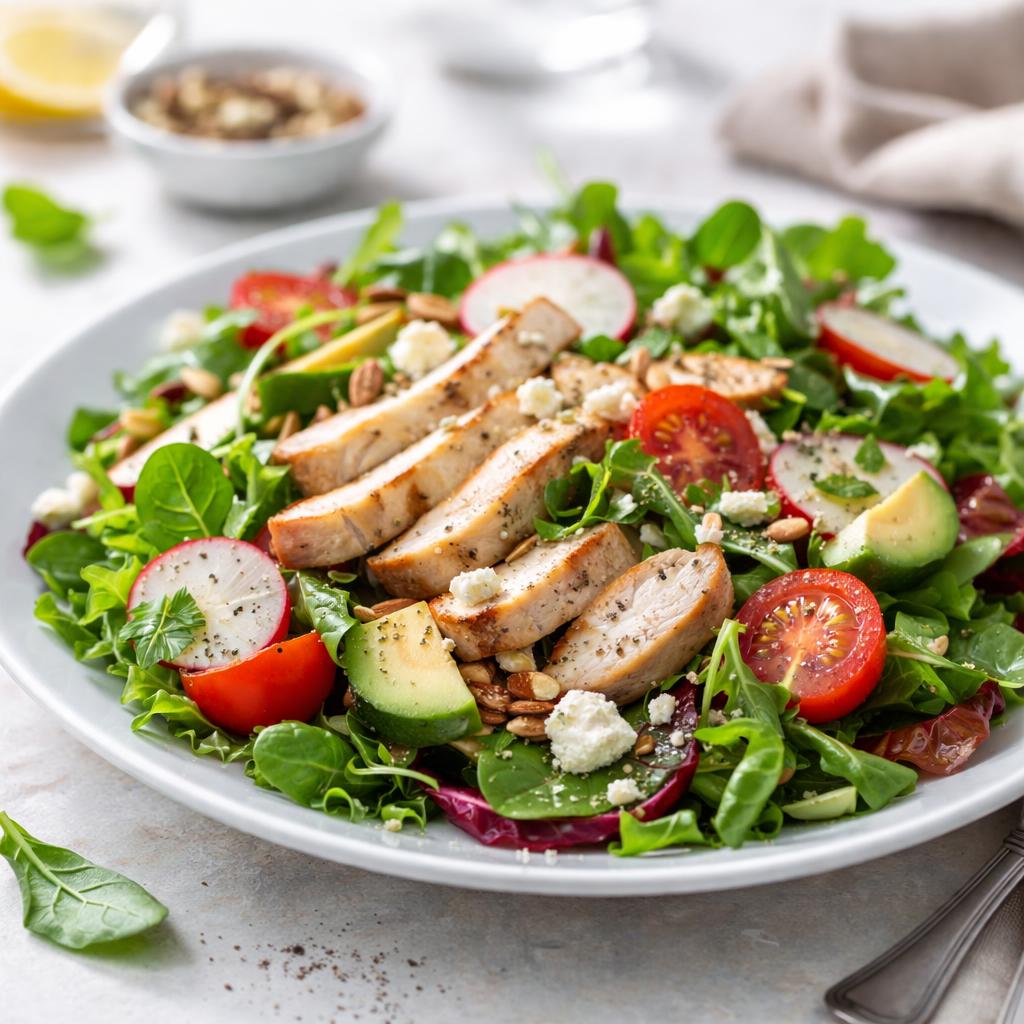
Salad

Lemon
🎯 Quick Verdict
Salad offers a higher protein content, fiber, and a more balanced nutritional profile, making it ideal for weight loss and overall health. Lemons are low in calories and provide a concentrated source of vitamin C, making them great for flavor enhancement and immune support. Both are excellent choices for different dietary goals and purposes.

Smart Nutrition Tracking with SnapCalorie

📊 Nutritional Comparison
Macronutrients
| Nutrient | Food 1 | Food 2 | Winner |
|---|---|---|---|
| Calories | 35 | 20 | ✓ |
| Protein | 2g | 0g | ✓ |
| Carbs | 7g | 6g | ✓ |
| Fat | 0.3g | 0.2g | ✓ |
| Fiber | 1.5g | 1.1g | ✓ |
Vitamins & Minerals
| Nutrient | Food 1 | Food 2 | Winner |
|---|---|---|---|
| Vitamin C | 9mg | 30mg | ✓ |
| Vitamin A | 28mcg | 1mcg | ✓ |
| Calcium | 20mg | 26mg | ✓ |
| Iron | 0.7mg | 0.6mg | ✓ |
🏆 Category Winners
Protein
Salad contains 2g of protein per serving, while lemon contains none.
Fiber
Salad provides slightly more fiber, with 1.5g compared to 1.1g in lemon.
Calories
Lemon is a lower-calorie option, with just 20 calories per serving.
Vitamins
Lemon is higher in vitamin C, delivering 30mg per serving, which is over 3 times the amount in salad.
🥗 Diet Compatibility
Keto
Food 1: Compatible
Food 2: Compatible
Both foods are low-carb and fit within a keto diet.
Vegan
Food 1: Compatible
Food 2: Compatible
Both foods are plant-based and suitable for vegans.
Gluten Free
Food 1: Compatible
Food 2: Compatible
Neither contains gluten.
Paleo
Food 1: Compatible
Food 2: Compatible
Both are unprocessed whole foods fitting within paleo guidelines.
Low Carb
Food 1: Compatible
Food 2: Compatible
Both foods are relatively low in carbs, with salad being slightly higher due to its fiber content.
💪 Health Benefits Comparison
Food 1 Benefits
- Provides a mix of protein and fiber for satiety
- Rich in vitamin A for vision health
- Low calorie, making it ideal for weight management
Food 2 Benefits
- High in vitamin C for immune support
- Low calorie, excellent for enhancing flavor without adding calories
- Contains antioxidants that may support skin health
✅ The Bottom Line
Salad is a better choice for people seeking a balanced meal with protein, fiber, and a variety of vitamins. Lemon is best suited for enhancing flavor, boosting immunity with vitamin C, or adding a refreshing nutrient boost to beverages and dishes. Both have unique benefits depending on the goal.
Choose Food 1 for: Main meals, weight management, nutrient density
Choose Food 2 for: Flavors, immune support, refreshing beverages


