Salad VS Grilled Pork
A detailed nutritional comparison
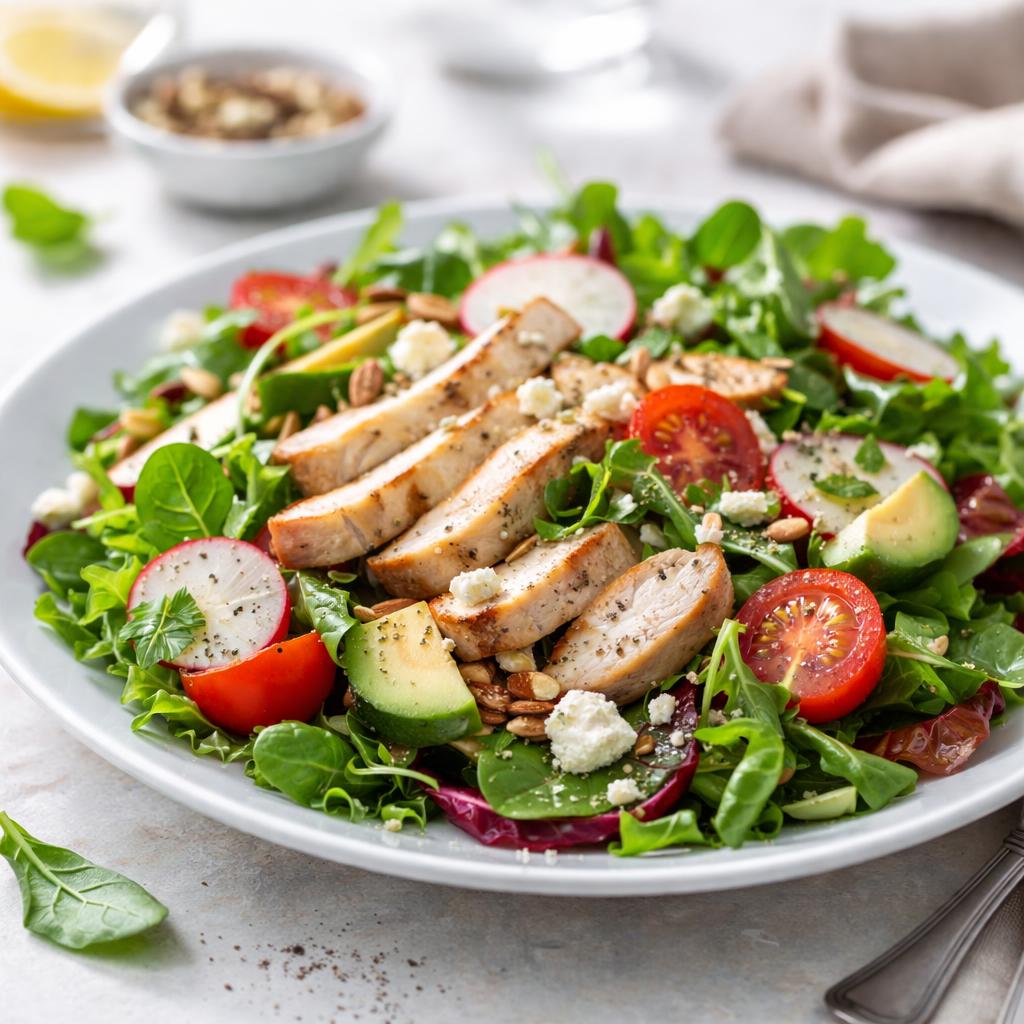
Salad
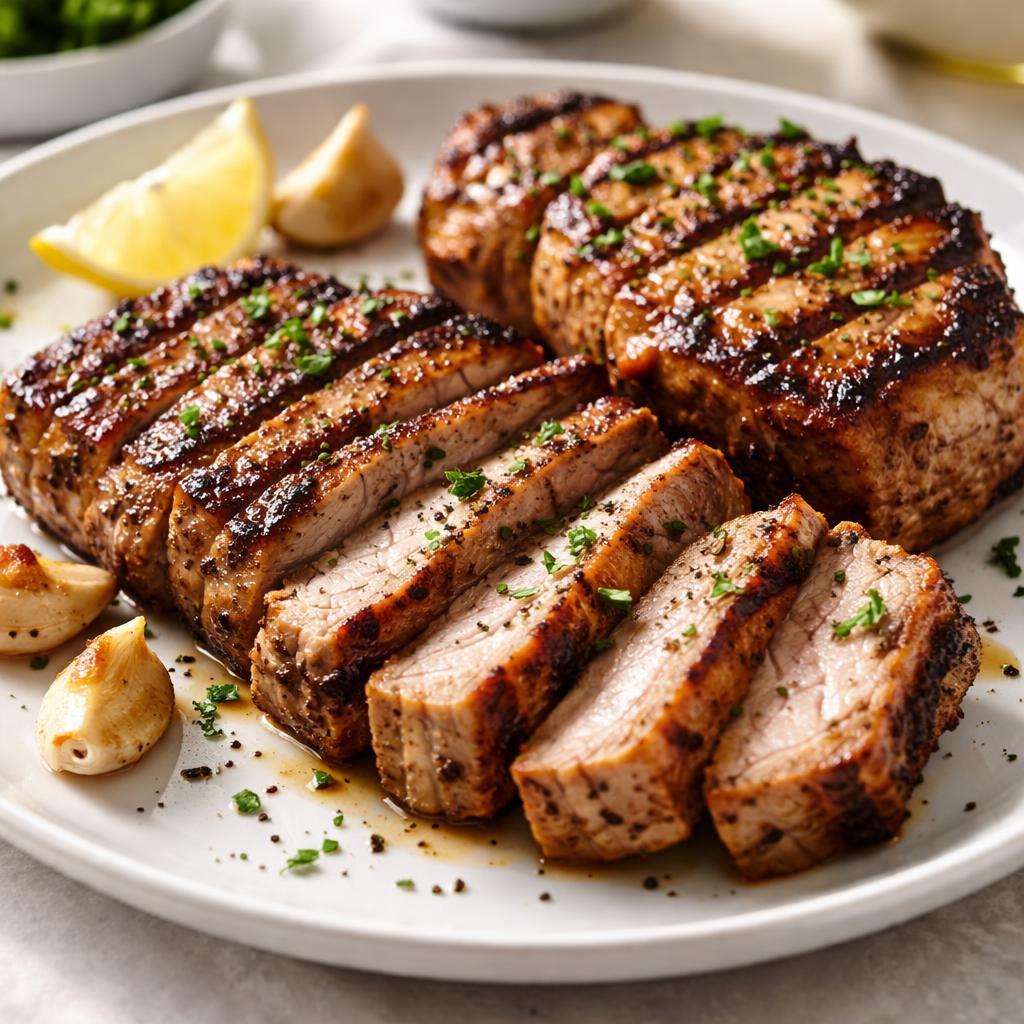
Grilled Pork
🎯 Quick Verdict
Grilled pork is a high-protein option suitable for muscle building, while salad is lower in calories and rich in fiber—ideal for weight management and digestion. Nutritionally, each serves different dietary needs, with salad being better for light meals and snack-like nutrition, and grilled pork being optimal for those seeking protein-packed meals.

Smart Nutrition Tracking with SnapCalorie

📊 Nutritional Comparison
Macronutrients
| Nutrient | Food 1 | Food 2 | Winner |
|---|---|---|---|
| Calories | 50 | 250 | ✓ |
| Protein | 2g | 25g | ✓ |
| Carbs | 10g | 0g | ✓ |
| Fat | 0.5g | 15g | ✓ |
| Fiber | 3g | 0g | ✓ |
Vitamins & Minerals
| Nutrient | Food 1 | Food 2 | Winner |
|---|---|---|---|
| Vitamin D | 0mcg | 0.9mcg | ✓ |
| Calcium | 20mg | 15mg | ✓ |
| Iron | 0.5mg | 1.1mg | ✓ |
🏆 Category Winners
Protein
Food2 has significantly more protein (25g vs 2g) per serving.
Fiber
Food1 offers 3g of fiber compared to none in Food2.
Calories
Food1 is lower in calories, with 50 calories per serving versus 250 in Food2.
Vitamins
Food2 provides more Vitamin D and iron, important for bone health and oxygen transport.
🥗 Diet Compatibility
Keto
Food 1: Not Compatible
Food 2: Compatible
Food2 is high-protein with zero carbs, while Food1 contains 10g of carbs from vegetables.
Vegan
Food 1: Compatible
Food 2: Not Compatible
Food1 is plant-based; Food2 is animal-derived.
Gluten Free
Food 1: Compatible
Food 2: Compatible
Neither food contains gluten naturally.
Paleo
Food 1: Compatible
Food 2: Compatible
Both align with paleo principles—clean whole foods with minimal processing.
Low Carbs
Food 1: Partially Compatible
Food 2: Fully Compatible
Food1 contains moderate carbs (10g), whereas Food2 has none, making it better for low-carb diets.
💪 Health Benefits Comparison
Food 1 Benefits
- Rich in fiber, which supports digestion and gut health
- Low-calorie option for weight management
- Provides vitamins and antioxidants for immune support
Food 2 Benefits
- High in protein for muscle repair and maintenance
- Source of Vitamin D, supporting bone health
- Contains iron, aiding in oxygen transport in the body
✅ The Bottom Line
Choose salad for lower-calorie meals rich in fiber and antioxidants, ideal for weight loss and digestive health. Select grilled pork for high-protein intake after workouts or for muscle maintenance. Both foods serve different dietary goals and can complement each other in balanced meals.
Choose Food 1 for: Weight loss, digestive health, light meals or snacks
Choose Food 2 for: Muscle recovery, high-protein diets, keto meals


