Salad VS Grilled Meat
A detailed nutritional comparison
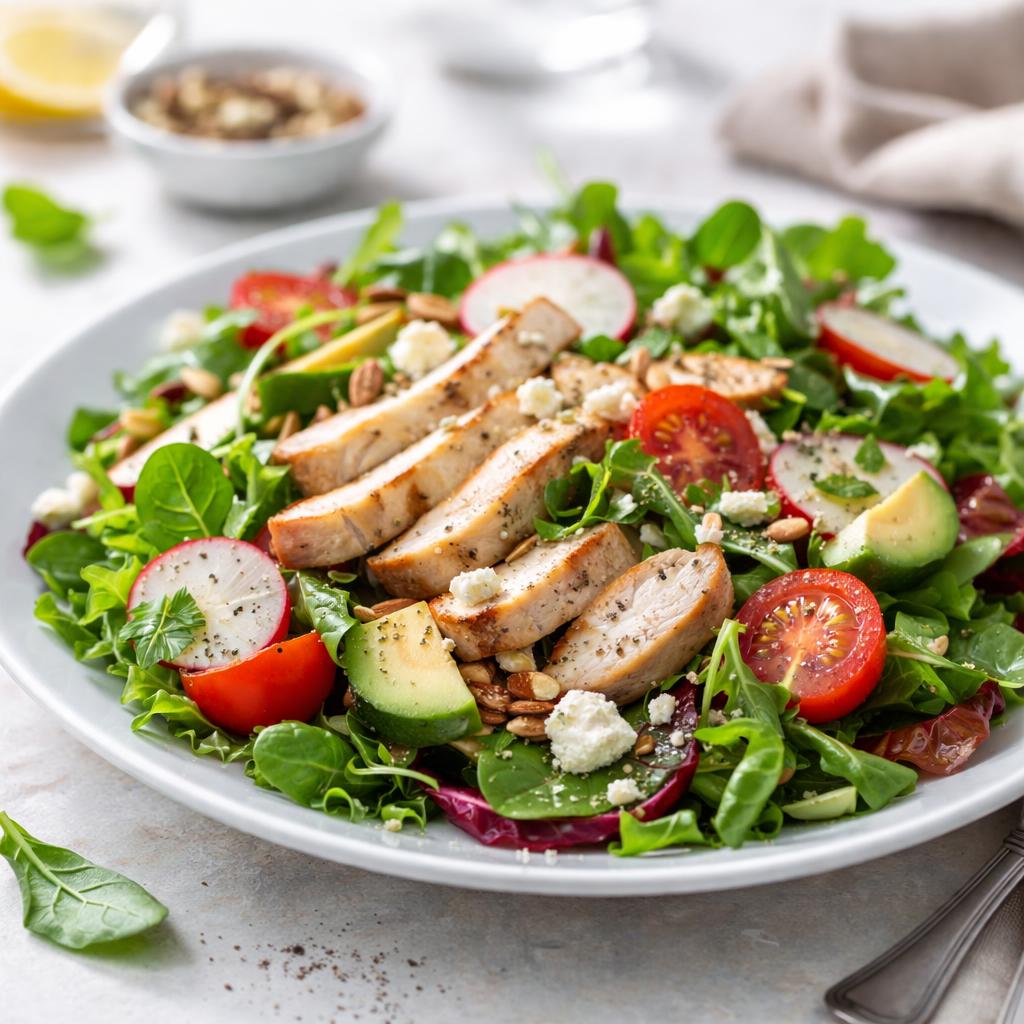
Salad
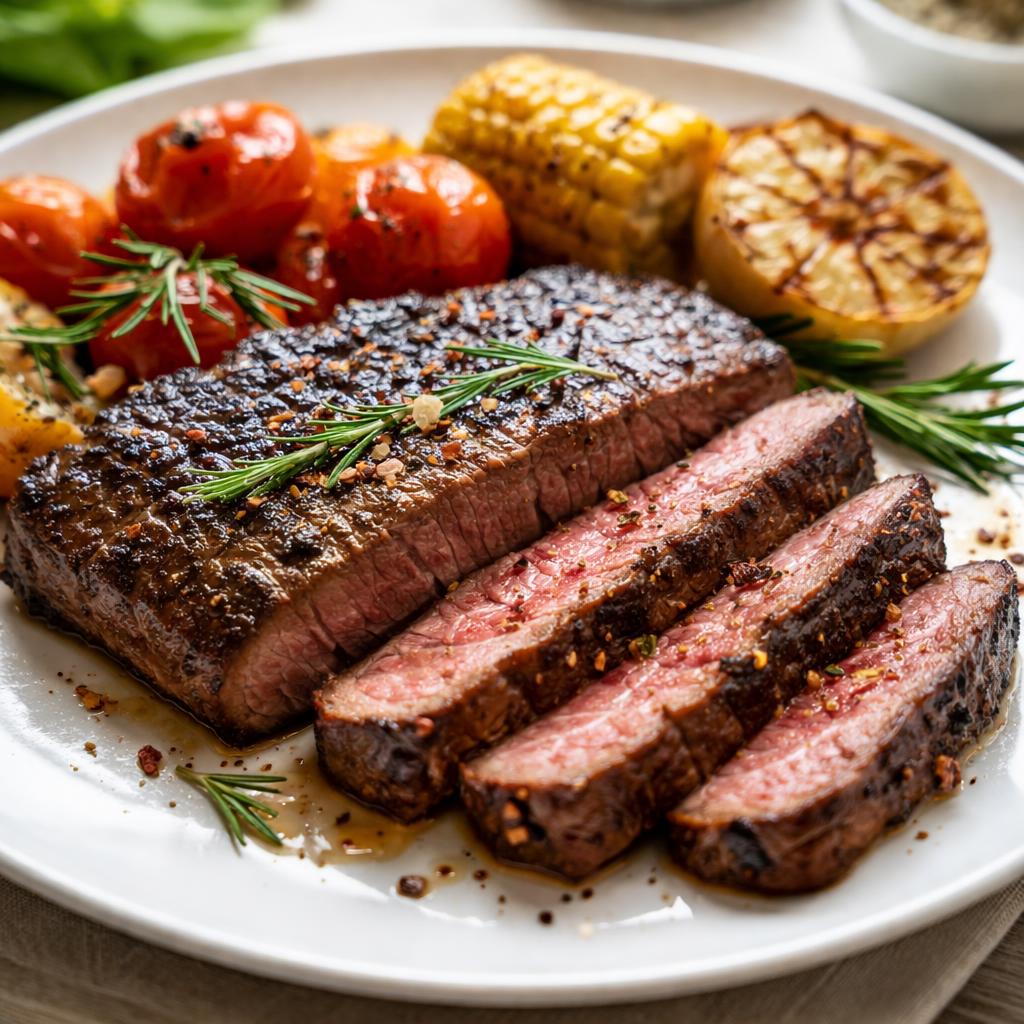
Grilled Meat
🎯 Quick Verdict
Salad is lower in calories and higher in fiber, ideal for weight management and digestive health. Grilled meat is rich in protein, supporting muscle building and repair. Both foods can complement each other, depending on dietary priorities and personal goals.

Smart Nutrition Tracking with SnapCalorie

📊 Nutritional Comparison
Macronutrients
| Nutrient | Food 1 | Food 2 | Winner |
|---|---|---|---|
| Calories | 80 | 250 | ✓ |
| Protein | 2g | 25g | ✓ |
| Carbs | 10g | 0g | ✓ |
| Fat | 2g | 15g | ✓ |
| Fiber | 4g | 0g | ✓ |
Vitamins & Minerals
| Nutrient | Food 1 | Food 2 | Winner |
|---|---|---|---|
| Vitamin C | 18mg | 0mg | ✓ |
| Vitamin D | 0mcg | 2mcg | ✓ |
| Calcium | 30mg | 20mg | ✓ |
| Iron | 0.9mg | 2.7mg | ✓ |
🏆 Category Winners
Protein
Grilled meat has significantly more protein, with 25g per serving compared to 2g in salad.
Fiber
Salad contains 4g fiber per serving, whereas grilled meat has no dietary fiber.
Calories
Salad has only 80 calories per serving, compared to 250 calories in grilled meat.
Vitamins
Salad is rich in Vitamin C and calcium, offering key nutrients that grilled meat lacks.
🥗 Diet Compatibility
Keto
Food 1: Compatible
Food 2: Compatible
Both foods are low-carb and suitable for a keto lifestyle.
Vegan
Food 1: Compatible
Food 2: Not Compatible
Salad is plant-based, while grilled meat is animal-derived.
Gluten Free
Food 1: Compatible
Food 2: Compatible
Neither food contains gluten ingredients.
Paleo
Food 1: Compatible
Food 2: Compatible
Both foods align with paleo principles—whole, unprocessed foods.
Low-Carb
Food 1: Compatible
Food 2: Compatible
Both foods are low in carbohydrates, though salad contains slightly more (10g).
💪 Health Benefits Comparison
Food 1 Benefits
- Low-calorie option for weight management
- Rich in dietary fiber for improved digestion
- Provides Vitamin C, supporting immune health
- Contains antioxidants from vegetables
Food 2 Benefits
- Excellent source of high-quality protein for muscle growth
- Contains Vitamin D and iron, important for bone and blood health
- Provides healthy fats for heart health (depending on cut of meat)
- Promotes satiety due to high protein content
✅ The Bottom Line
Choose salad for weight management, digestive health, and added vitamins, especially if you're aiming for a lighter, nutrient-packed option. Opt for grilled meat when prioritizing protein intake, muscle growth, or a more satisfying, filling meal. Consider combining salad and grilled meat for a balanced, nutrient-dense dish.
Choose Food 1 for: Weight loss, light meals, digestive health, plant-based diets
Choose Food 2 for: Muscle growth, protein-rich diets, higher energy demands


