Salad VS Dill
A detailed nutritional comparison
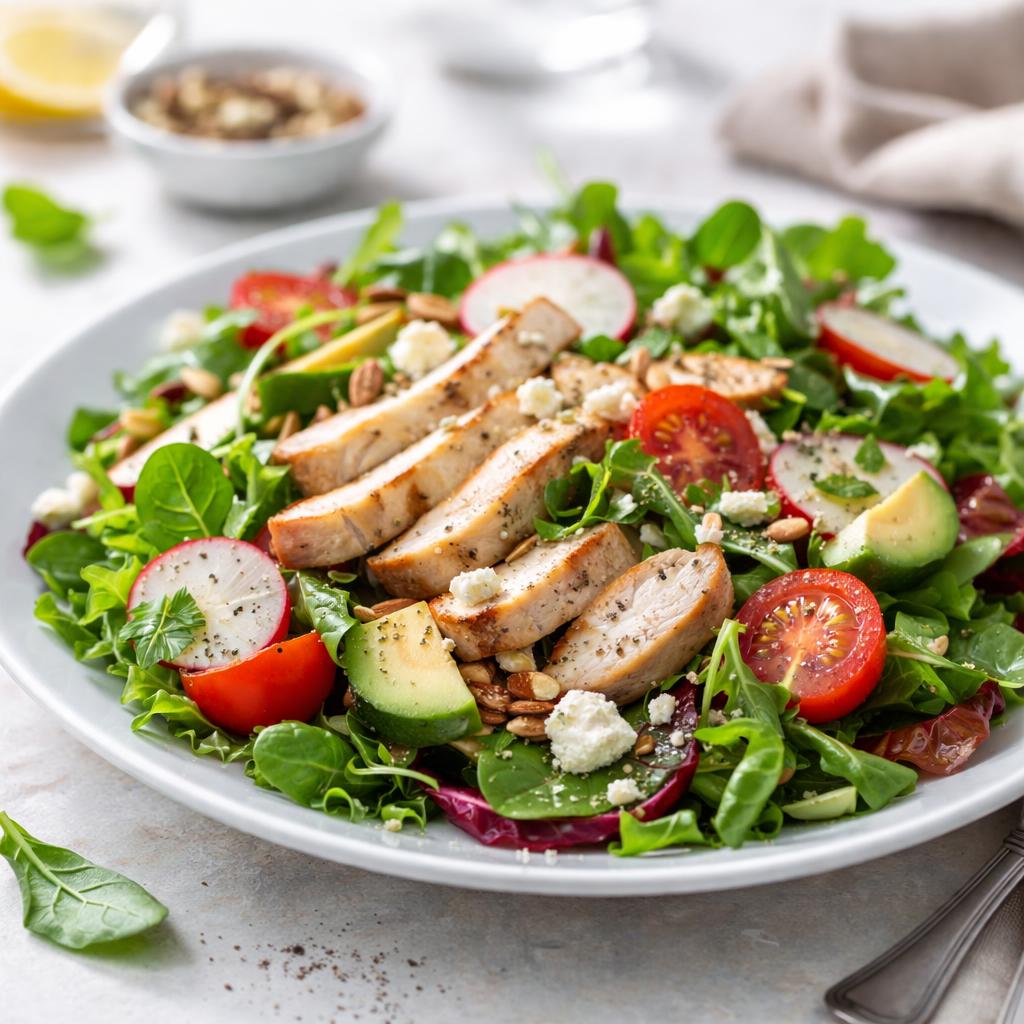
Salad
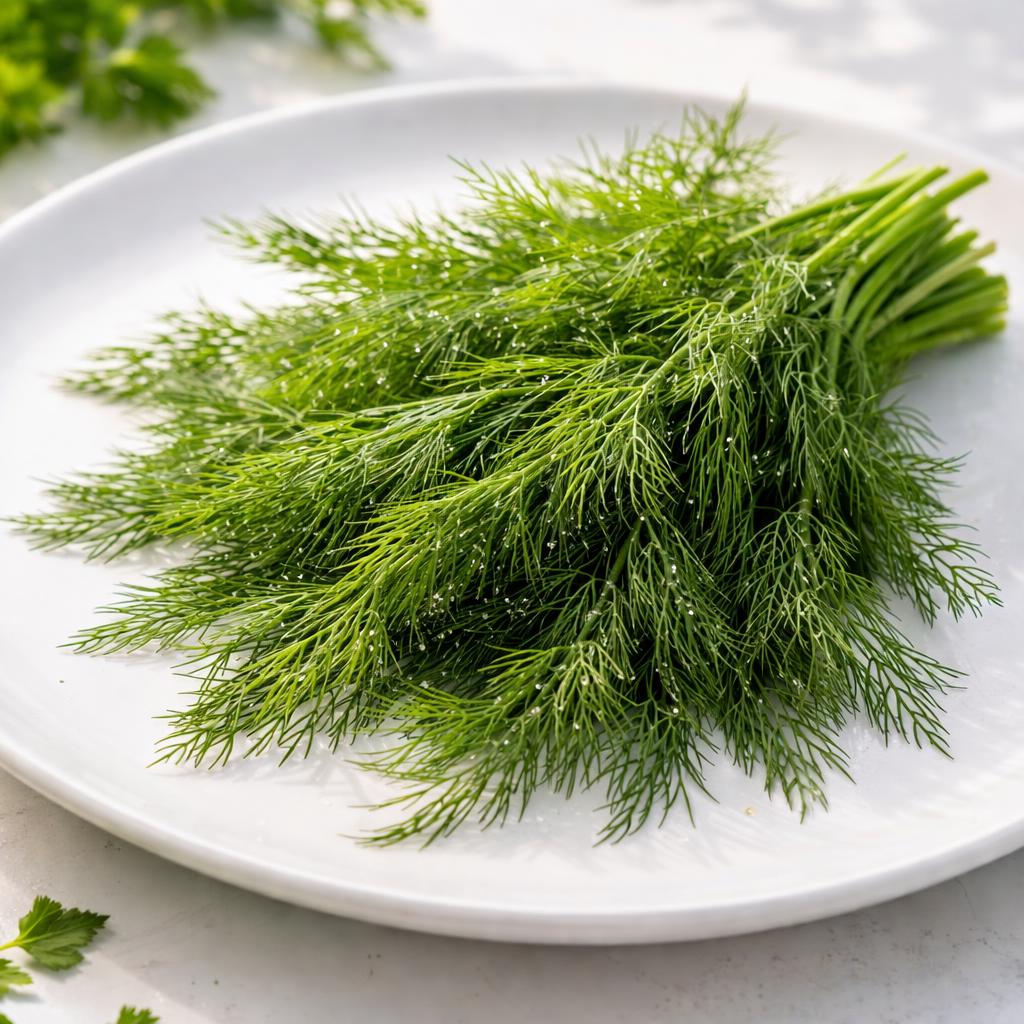
Dill
🎯 Quick Verdict
Salad is nutritionally superior overall, providing more protein, fiber, and key vitamins, while staying fairly low in calories. Dill is extremely low in calories and offers some antioxidant benefits but is better suited as a garnish than a primary source of nutrients.

Smart Nutrition Tracking with SnapCalorie

📊 Nutritional Comparison
Macronutrients
| Nutrient | Food 1 | Food 2 | Winner |
|---|---|---|---|
| Calories | 150 per serving (2 cups) | 15 per serving (1 cup) | ✓ |
| Protein | 5g | 1g | ✓ |
| Carbs | 12g | 3g | ✓ |
| Fat | 7g | 0.7g | ✓ |
| Fiber | 4g | 1g | ✓ |
Vitamins & Minerals
| Nutrient | Food 1 | Food 2 | Winner |
|---|---|---|---|
| Vitamin C | 45mg | 2mg | ✓ |
| Vitamin A | 500mcg | 300mcg | ✓ |
| Vitamin K | 80mcg | 150mcg | ✓ |
🏆 Category Winners
Protein
Salad provides five times more protein per serving compared to dill.
Fiber
Salad contains four times more fiber than dill, promoting better digestion.
Calories
Dill has only 15 calories per serving, making it the lower-calorie option.
Vitamins
Salad provides more vitamin C and vitamin A, while dill excels at vitamin K.
🥗 Diet Compatibility
Keto
Food 1: Compatible
Food 2: Compatible
Both foods are low-carb options suitable for keto diets.
Vegan
Food 1: Compatible
Food 2: Compatible
Both are plant-based.
Gluten Free
Food 1: Compatible
Food 2: Compatible
Neither contains gluten.
Paleo
Food 1: Compatible
Food 2: Compatible
Both are paleo-friendly and free of processed ingredients.
Low Carb
Food 1: Compatible
Food 2: Compatible
Both are low in carbohydrates and work well for low-carb diets.
💪 Health Benefits Comparison
Food 1 Benefits
- Rich in fiber to support digestion
- Provides protein for muscle maintenance
- High in vitamin C to strengthen immunity
- Contains healthy fats (if salad includes dressings like olive oil)
Food 2 Benefits
- Rich source of antioxidants for cellular health
- High in vitamin K for bone health and blood clotting
- Extremely low in calories, aiding weight management
- Provides unique flavor profile without added sodium
✅ The Bottom Line
Salad should be chosen when looking for a nutritionally dense meal with balanced macronutrients, while dill is best suited as a garnish for flavor and a small vitamin boost. Salad is better for weight loss, muscle support, and digestive health, whereas dill works as a calorie-free accent to dishes.
Choose Food 1 for: Weight loss, high-protein meals, digestion, immune health
Choose Food 2 for: Flavor enhancement, garnish, low-calorie diets


