Salad VS Curly Fries
A detailed nutritional comparison
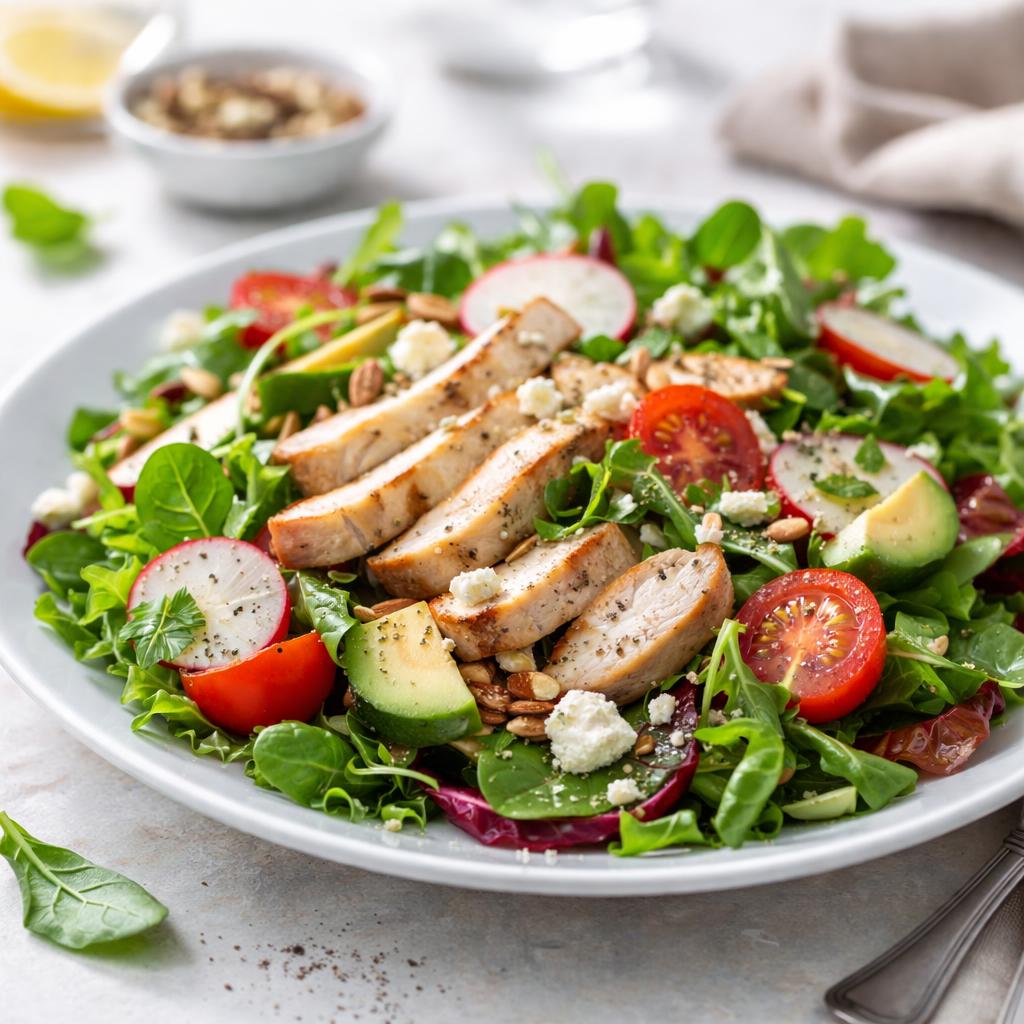
Salad
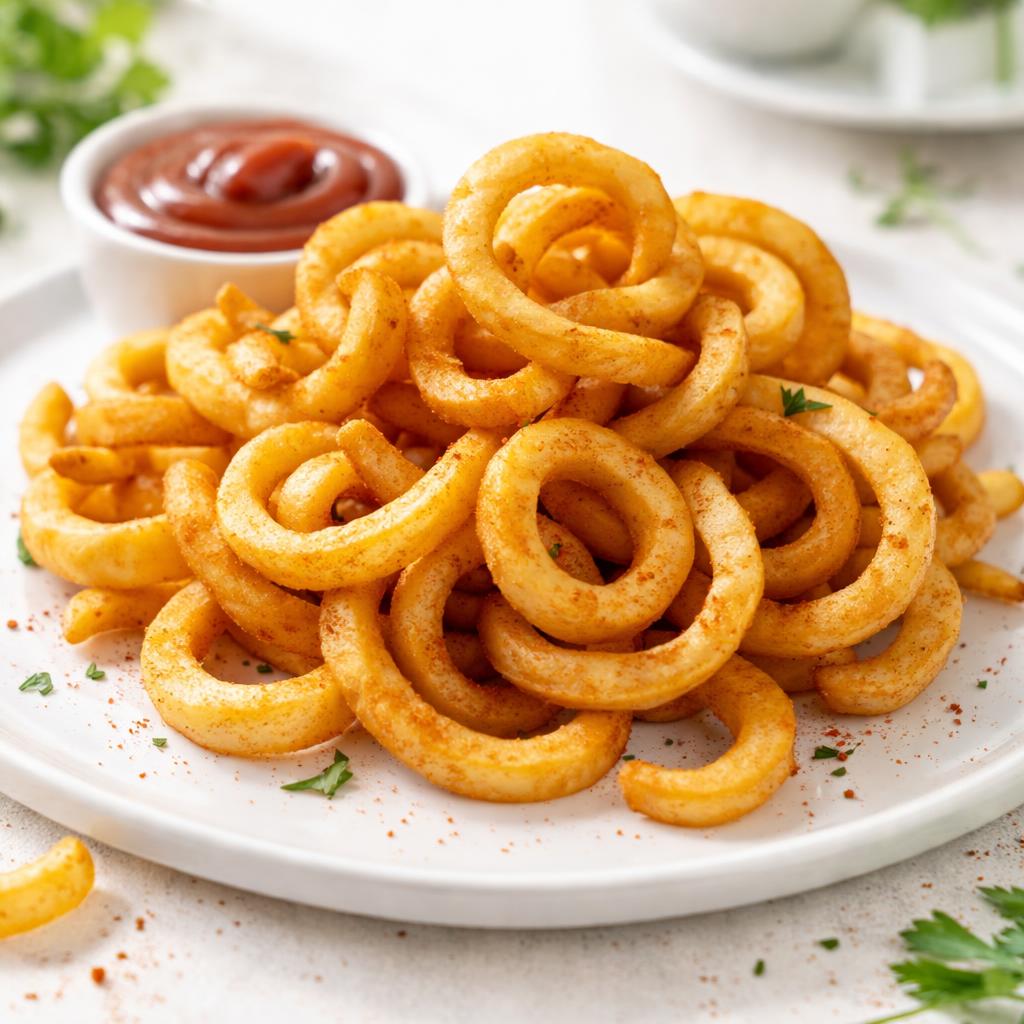
Curly Fries
🎯 Quick Verdict
Salad dominates in terms of fiber, fewer calories, and overall health benefits due to its high nutrient density and lower fat content. Curly fries, while offering more carbs and fat, are less compatible with healthy diets but can be a tasty energy source for occasional indulgence.

Smart Nutrition Tracking with SnapCalorie

📊 Nutritional Comparison
Macronutrients
| Nutrient | Food 1 | Food 2 | Winner |
|---|---|---|---|
| Calories | 75 | 300 | ✓ |
| Protein | 2g | 2g | − |
| Carbs | 5g | 35g | ✓ |
| Fat | 0.5g | 15g | ✓ |
| Fiber | 3g | 2g | ✓ |
Vitamins & Minerals
| Nutrient | Food 1 | Food 2 | Winner |
|---|---|---|---|
| Vitamin C | 25mg | 5mg | ✓ |
| Vitamin D | 0mcg | 0mcg | − |
| Iron | 1mg | 0.5mg | ✓ |
| Calcium | 30mg | 10mg | ✓ |
🏆 Category Winners
Protein
Both foods contain an equivalent amount of protein, approximately 2g per serving.
Fiber
Salad offers 50% more fiber, promoting digestion and satiety.
Calories
Salad has 75% fewer calories, making it ideal for weight management.
Vitamins
Salad is richer in vitamin C, iron, and calcium compared to curly fries.
🥗 Diet Compatibility
Keto
Food 1: Compatible
Food 2: Not Compatible
Food1 is low-carb, while food2 is rich in carbohydrates.
Vegan
Food 1: Compatible
Food 2: Compatible
Both foods are plant-based.
Gluten Free
Food 1: Compatible
Food 2: Not Compatible
Curly fries often contain gluten or wheat additives, while salad does not.
Paleo
Food 1: Compatible
Food 2: Not Compatible
Salad adheres to paleo principles; curly fries do not due to processing and fried oils.
Low Carb
Food 1: Compatible
Food 2: Not Compatible
Salad has much lower carbohydrates compared to curly fries.
💪 Health Benefits Comparison
Food 1 Benefits
- Rich in fiber for improved digestion
- Low in calories for weight management
- Good source of vitamin C to support immunity
- Contains antioxidants for overall health
Food 2 Benefits
- Provides quick energy due to higher carbohydrates
- Contains some iron for oxygen transport
- Offers satisfying comfort food flavor
- Source of fats that can provide long-term energy (though not heart-healthy fats)
✅ The Bottom Line
Salad is clearly the healthier choice due to its nutrient density, low calorie content, and compatibility with most dietary plans. However, curly fries can occasionally fit into indulgent meals or as an energy source for active individuals who aren't calorie-conscious.
Choose Food 1 for: Weight management, digestive health, healthy diet plans
Choose Food 2 for: Occasional indulgence, quick energy boost, satisfying cravings


