Salad VS Cranberries
A detailed nutritional comparison
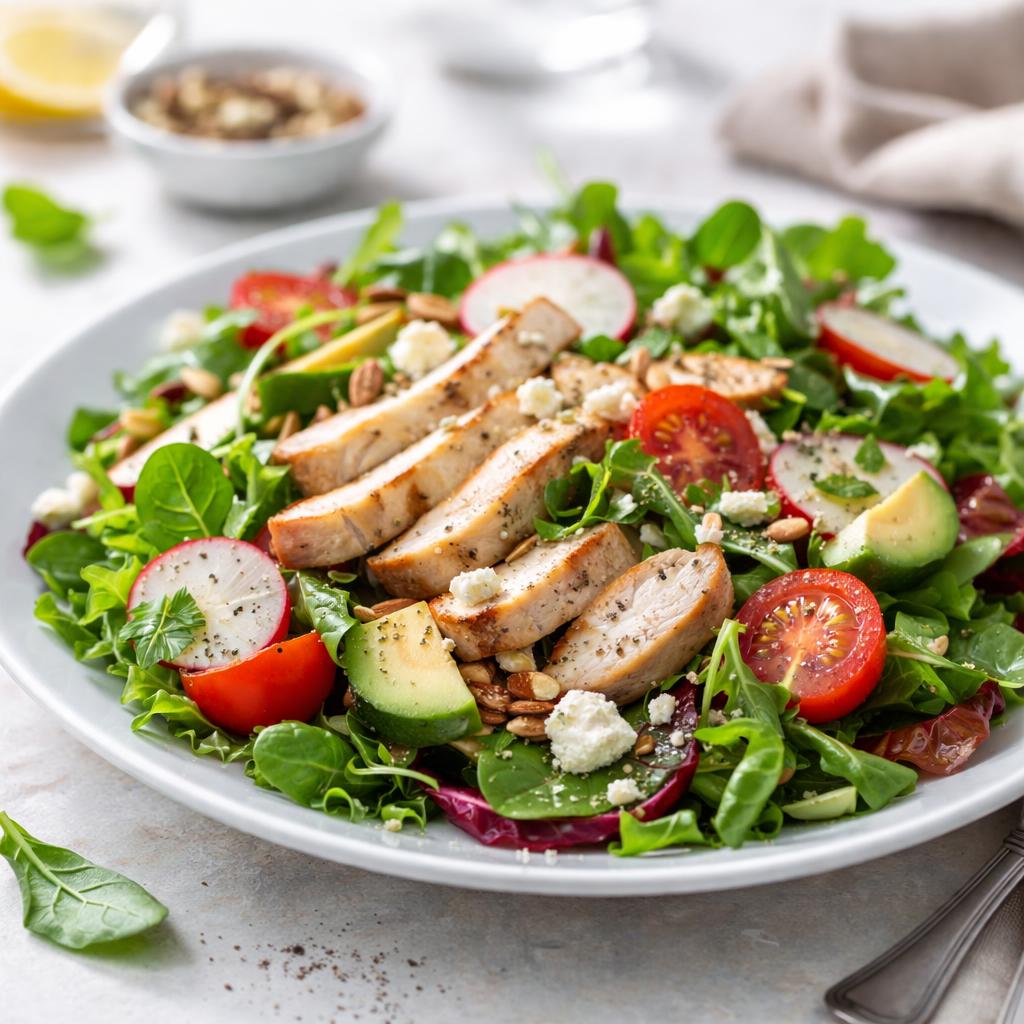
Salad
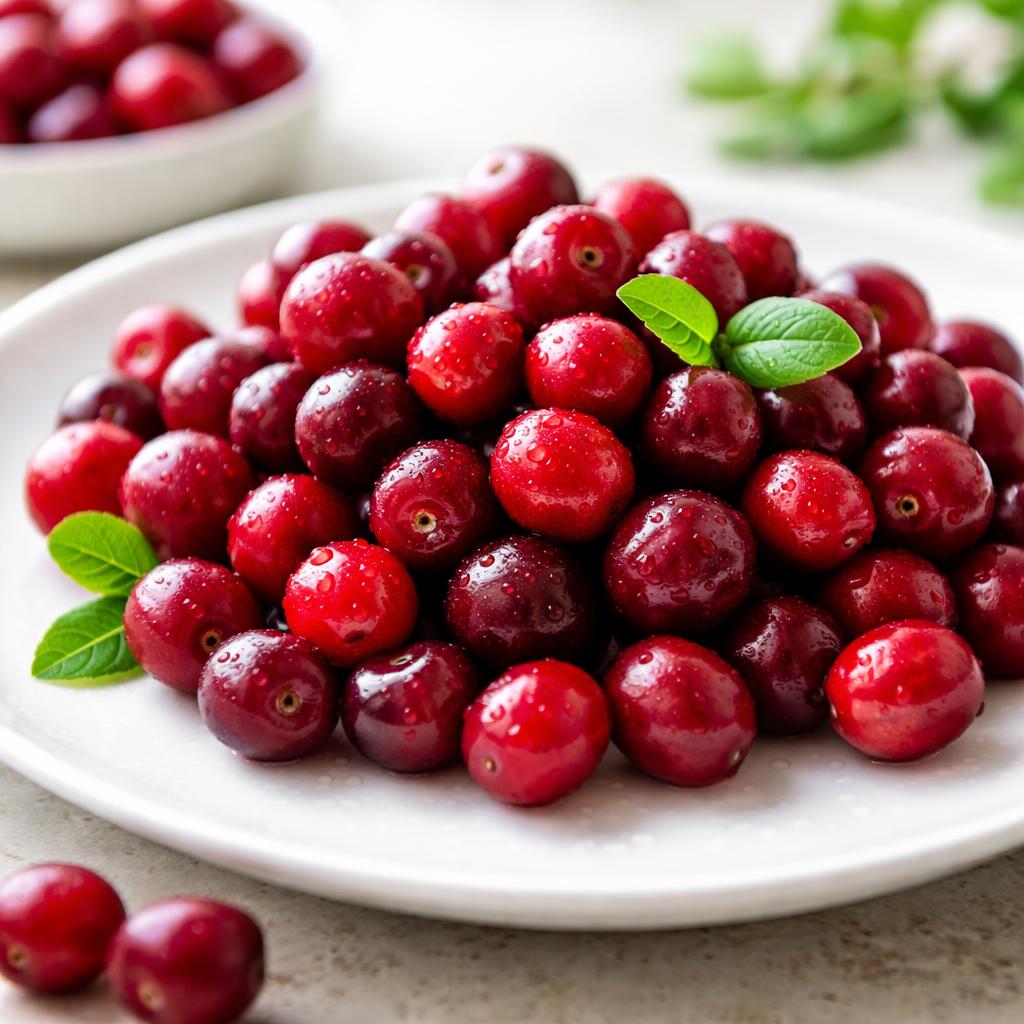
Cranberries
🎯 Quick Verdict
Salad is a low-calorie, nutrient-dense food with higher levels of protein and fiber compared to cranberries, which are rich in antioxidants and natural sugars. Salad is best suited for weight loss or nutrient density, while cranberries are great for energy boosts and immune support due to their antioxidant content.

Smart Nutrition Tracking with SnapCalorie

📊 Nutritional Comparison
Macronutrients
| Nutrient | Food 1 | Food 2 | Winner |
|---|---|---|---|
| Calories | 150 | 150 | − |
| Protein | 4g | 0.1g | − |
| Carbs | 12g | 38g | − |
| Fat | 5g | 0.2g | − |
| Fiber | 3g | 2g | − |
Vitamins & Minerals
| Nutrient | Food 1 | Food 2 | Winner |
|---|---|---|---|
| Vitamin C | 45mg | 13mg | − |
| Vitamin K | 60mcg | 20mcg | − |
| Vitamin A | 10mcg | 1.3mcg | − |
🏆 Category Winners
Protein
Salad provides significantly more protein (4g vs 0.1g).
Fiber
Salad offers 50% more fiber per serving (3g vs 2g).
Calories
Both foods have similar calorie amounts (~150 per serving).
Vitamins
Salad is richer in vitamin C, K, and A compared to cranberries.
🥗 Diet Compatibility
Keto
Food 1: Compatible
Food 2: Not Compatible
Cranberries are high in sugar, while salad is low-carb.
Vegan
Food 1: Compatible
Food 2: Compatible
Both foods are plant-based and suitable for vegan diets.
Gluten Free
Food 1: Compatible
Food 2: Compatible
Neither food contains gluten.
Paleo
Food 1: Compatible
Food 2: Compatible
Both are natural whole foods accepted in paleo diets.
Low-Carb
Food 1: Compatible
Food 2: Not Compatible
Salad is low-carb, while cranberries are high in carbs (38g).
💪 Health Benefits Comparison
Food 1 Benefits
- Rich in vitamins C and K for immune health and blood clotting
- High in fiber to support healthy digestion
- Contains a moderate amount of protein for muscle repair and satiety
Food 2 Benefits
- Packed with antioxidants such as polyphenols to fight free radicals
- Supports urinary tract health with compounds like proanthocyanidins
- Provides natural sugars for quick energy boosts
✅ The Bottom Line
Salad is the better choice for low-carb diets, weight loss, and balanced nutrients like protein and fiber. Cranberries are ideal for a quick energy boost and antioxidant support, but their high sugar content limits compatibility with certain diets.
Choose Food 1 for: Weight management, nutrient density, post-workout recovery
Choose Food 2 for: Energy boost, antioxidant support, heart health


