Salad VS Coleslaw
A detailed nutritional comparison
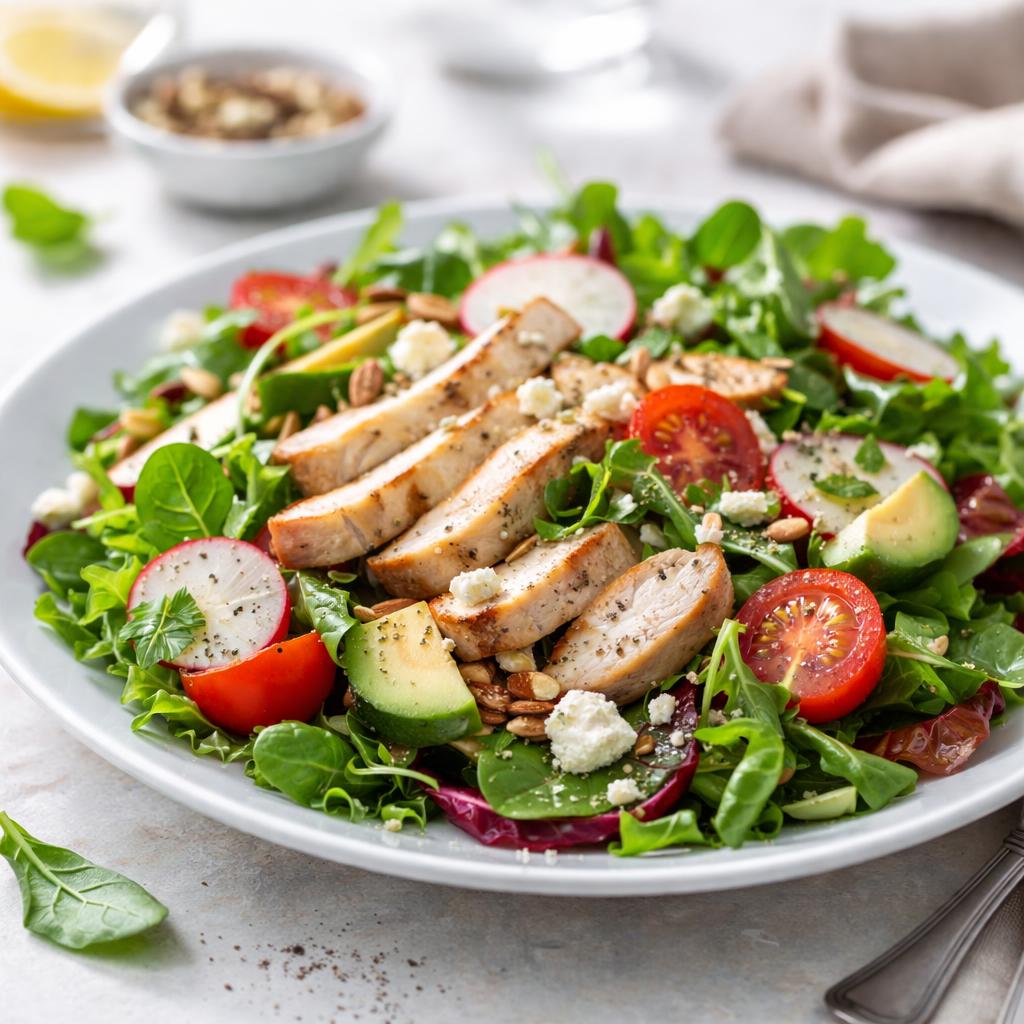
Salad
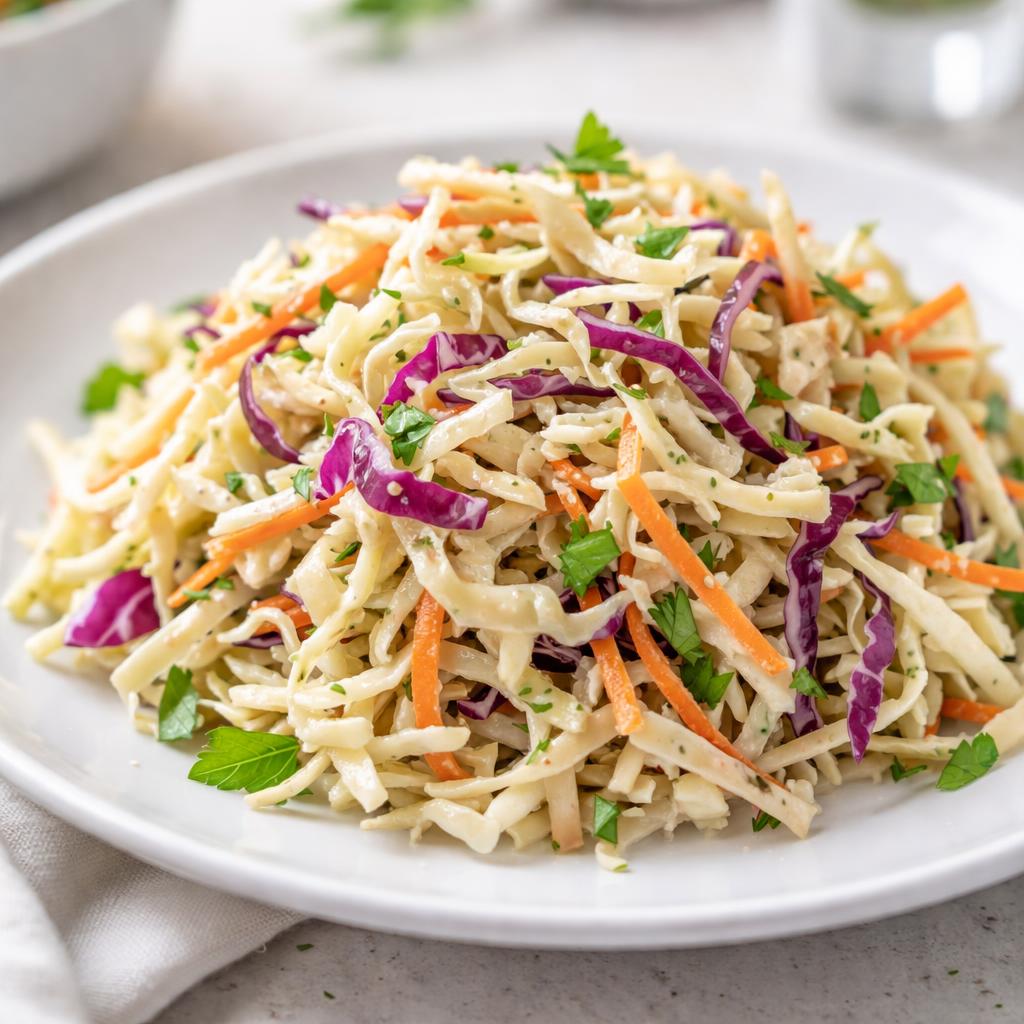
Coleslaw
🎯 Quick Verdict
Salad is lower in calories (50 vs. 150 per serving) and higher in fiber (4g vs. 2g), making it a great weight-loss option. Coleslaw offers slightly more fat (10g vs. 3g) and a richer flavor profile, ideal for heartier meals. Both foods are plant-based but differ in their nutritional priorities: salad excels for low-calorie diets, while coleslaw provides more fats for energy and satiety.

Smart Nutrition Tracking with SnapCalorie

📊 Nutritional Comparison
Macronutrients
| Nutrient | Food 1 | Food 2 | Winner |
|---|---|---|---|
| Calories | 50 | 150 | ✓ |
| Protein | 2g | 2g | − |
| Carbs | 6g | 12g | ✓ |
| Fat | 3g | 10g | ✓ |
| Fiber | 4g | 2g | ✓ |
Vitamins & Minerals
| Nutrient | Food 1 | Food 2 | Winner |
|---|---|---|---|
| Vitamin C | 10mg | 20mg | ✓ |
| Vitamin K | 120mcg | 80mcg | ✓ |
| Calcium | 40mg | 60mg | ✓ |
🏆 Category Winners
Protein
Both salad and coleslaw contain 2g of protein per serving, making them even in this category.
Fiber
Salad contains 4g of fiber per serving, doubling the fiber content of coleslaw (2g).
Calories
Salad has 66% fewer calories compared to coleslaw.
Vitamins
Food1 excels in Vitamin K, while Food2 dominates in Vitamin C and Calcium.
🥗 Diet Compatibility
Keto
Food 1: Compatible
Food 2: Borderline Compatible
Salad is very low-carb (6g), but coleslaw's carbs (12g) may need monitoring on strict keto plans.
Vegan
Food 1: Compatible
Food 2: Not Compatible
Most coleslaws contain mayonnaise, which often includes eggs, whereas salads can easily be vegan.
Gluten Free
Food 1: Compatible
Food 2: Compatible
Both are naturally gluten-free if no wheat-containing dressings are added.
Paleo
Food 1: Compatible
Food 2: Borderline Compatible
Salad fits paleo guidelines, while coleslaw may require paleo-compliant mayonnaise substitutions.
Low Carb
Food 1: Compatible
Food 2: Compatible
Both foods can fit into low-carb diets with careful portion control and ingredient selection, though salad is lower in total carbs.
💪 Health Benefits Comparison
Food 1 Benefits
- Low in calories, supporting weight loss goals
- High fiber content promotes better digestion
- Rich source of Vitamin K for bone health and clotting
Food 2 Benefits
- Higher fat content provides sustained energy
- Rich in Vitamin C for immune system support
- Contains probiotics if made with fermented ingredients like sauerkraut
✅ The Bottom Line
Choose salad if you prioritize weight loss, digestion, or a low-calorie meal option. Opt for coleslaw if you need a more satisfying, energy-dense side dish with a richer flavor. Salad works best for lighter meals or as a low-carb option, while coleslaw pairs well with hearty dishes and BBQs.
Choose Food 1 for: Weight loss, light meals, high-fiber diets
Choose Food 2 for: Energy-dense meals, heartier side dishes, nutrient-rich flavors


