Salad VS Celery
A detailed nutritional comparison
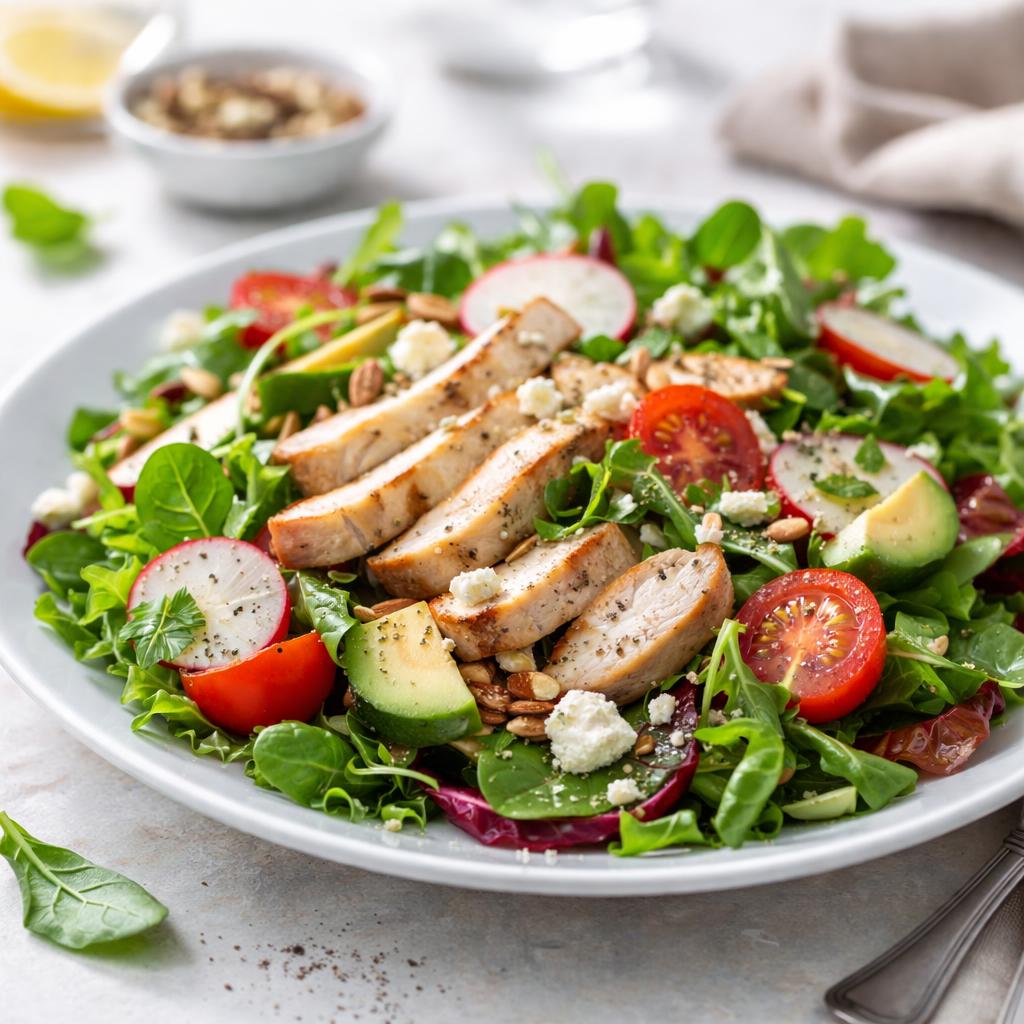
Salad
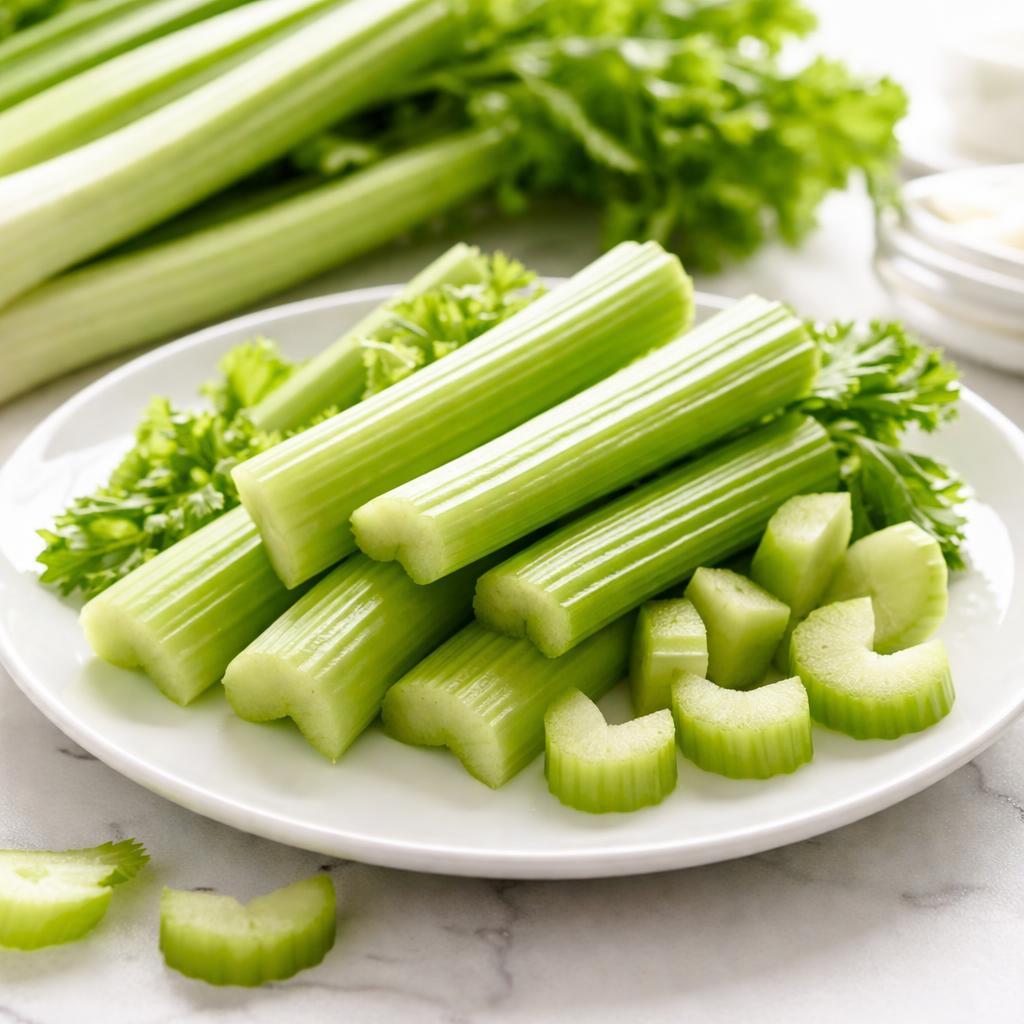
Celery
🎯 Quick Verdict
Salad offers a more balanced nutrient profile, with higher protein, fiber, and vitamins than celery, which is lower in overall nutrients but excellent for hydration and low-calorie snacking. Salad is ideal for nutrient-dense meals, while celery is great for low-calorie crunch and hydration purposes.

Smart Nutrition Tracking with SnapCalorie

📊 Nutritional Comparison
Macronutrients
| Nutrient | Food 1 | Food 2 | Winner |
|---|---|---|---|
| Calories | 150 per 100g (typical mixed salad) | 14 per 100g | − |
| Protein | 2g | 0.7g | − |
| Carbs | 10g | 3g | − |
| Fat | 7g (including healthy oils like olive oil) | 0.2g | − |
| Fiber | 3.5g | 1.6g | − |
Vitamins & Minerals
| Nutrient | Food 1 | Food 2 | Winner |
|---|---|---|---|
| Vitamin C | 10mg | 3.1mg | − |
| Vitamin K | 100mcg | 29.3mcg | − |
| Potassium | 220mg | 260mg | − |
🏆 Category Winners
Protein
Salad offers nearly three times more protein than celery per serving.
Fiber
Salad contains double the fiber of celery per serving.
Calories
Celery is very low in calories, while salad can be equally low depending on ingredients.
Vitamins
Salad is richer in key vitamins like Vitamin C and K, but celery leads in potassium.
🥗 Diet Compatibility
Keto
Food 1: Compatible
Food 2: Compatible
Both are naturally low-carb options.
Vegan
Food 1: Compatible
Food 2: Compatible
Both are fully plant-based.
Gluten Free
Food 1: Compatible
Food 2: Compatible
Neither contains gluten.
Paleo
Food 1: Compatible
Food 2: Compatible
Both align with paleo principles of whole, natural foods.
Low Carbohydrate
Food 1: Compatible
Food 2: Better option
Celery is extremely low-carb compared to salad’s typical carb content.
💪 Health Benefits Comparison
Food 1 Benefits
- High source of fiber for improved digestion
- Rich in vitamins like Vitamin K, supporting bone health
- Contains antioxidants which aid in reducing inflammation
Food 2 Benefits
- Low-calorie snack, great for weight management
- High water content for hydration
- Rich in potassium to help regulate blood pressure
✅ The Bottom Line
Choose salad when aiming for a nutrient-dense, higher protein and fiber meal option, particularly for satiety. Opt for celery when seeking very low-calorie snacks or hydration without additional nutritional density.
Choose Food 1 for: Meal prep, nutrient density, fiber-rich diets
Choose Food 2 for: Low-calorie snacking, hydration, weight management


