Salad VS Carrot Juice
A detailed nutritional comparison
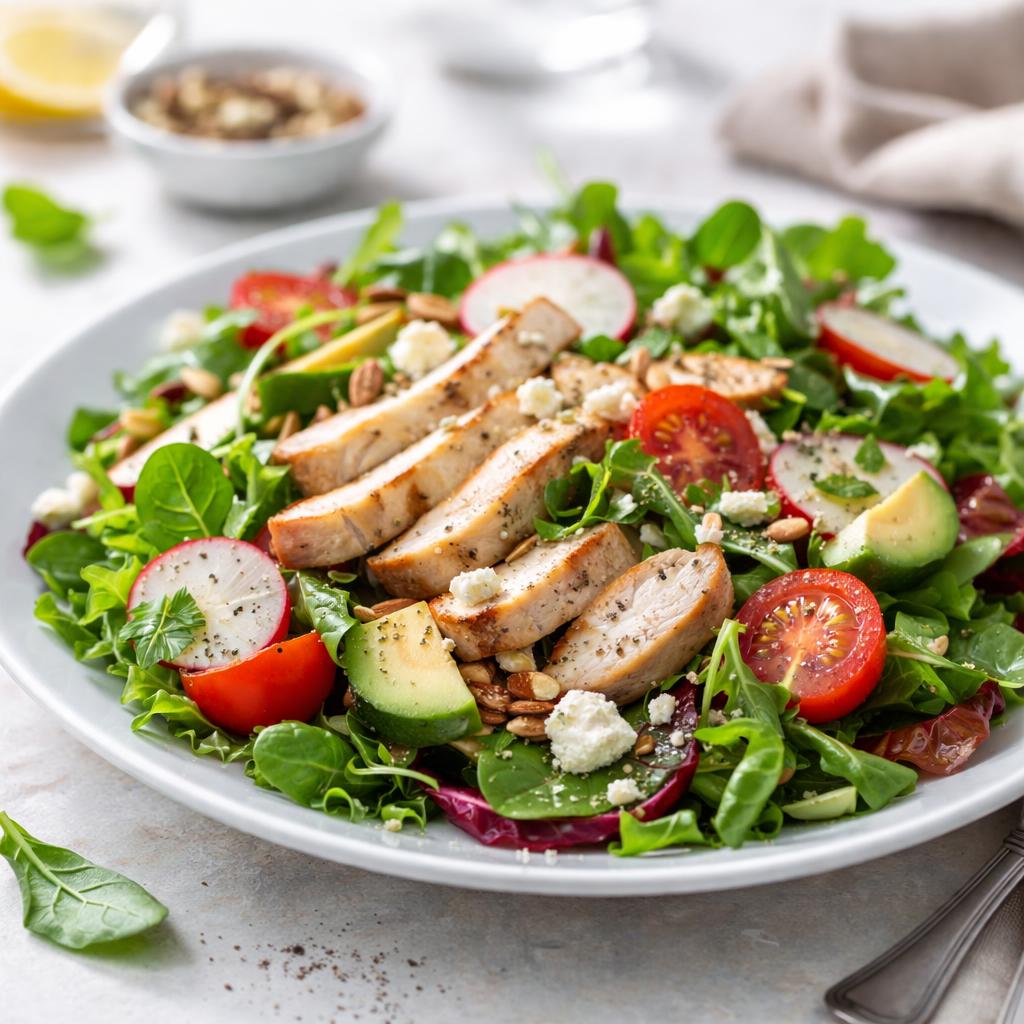
Salad
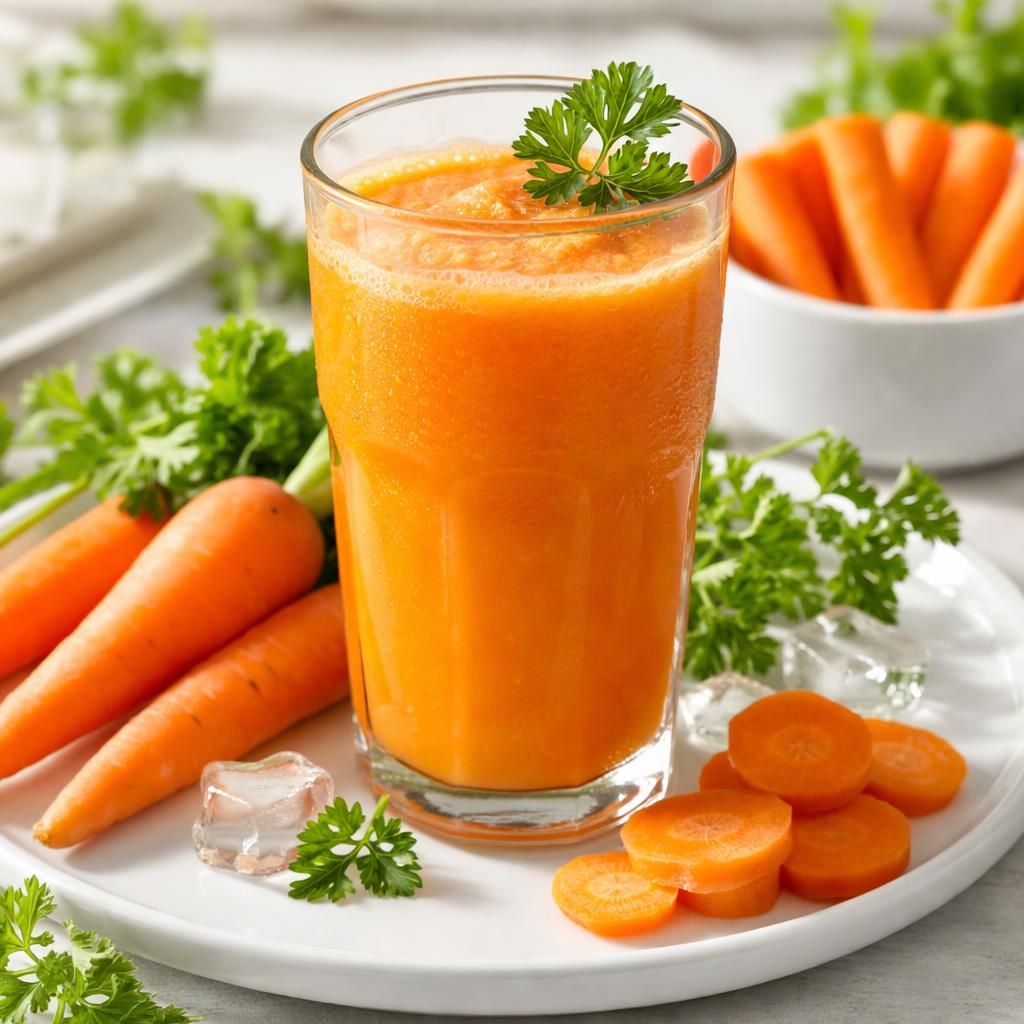
Carrot Juice
🎯 Quick Verdict
Salad is overall nutritionally superior to carrot juice, offering higher protein, more fiber, and fewer calories per serving. While carrot juice provides higher natural sugars and concentrated Vitamin A, salad is better for managing weight and promoting digestive health. Choose salad for balanced nutrition and carrot juice for a nutrient-dense drink rich in antioxidants.

Smart Nutrition Tracking with SnapCalorie

📊 Nutritional Comparison
Macronutrients
| Nutrient | Food 1 | Food 2 | Winner |
|---|---|---|---|
| Calories | 50 | 100 | ✓ |
| Protein | 2g | 1g | ✓ |
| Carbs | 4g | 22g | ✓ |
| Fat | 1g | 0g | ✓ |
| Fiber | 2g | 0g | ✓ |
Vitamins & Minerals
| Nutrient | Food 1 | Food 2 | Winner |
|---|---|---|---|
| Vitamin A | 300mcg | 1000mcg | ✓ |
| Vitamin C | 9mg | 7mg | ✓ |
| Calcium | 30mg | 25mg | ✓ |
| Iron | 0.4mg | 0.2mg | ✓ |
🏆 Category Winners
Protein
Salad provides 100% more protein per serving than carrot juice.
Fiber
Salad is rich in fiber, containing 2g per serving versus none in carrot juice.
Calories
Salad has half the calorie content of carrot juice, making it a better choice for weight control.
Vitamins
Carrot juice provides a significantly higher level of Vitamin A.
🥗 Diet Compatibility
Keto
Food 1: Compatible
Food 2: Not Compatible
Salad is low in carbs (4g per serving); carrot juice is high in carbs (22g per serving).
Vegan
Food 1: Compatible
Food 2: Compatible
Both foods are plant-based and vegan-friendly.
Gluten Free
Food 1: Compatible
Food 2: Compatible
Neither food contains gluten.
Paleo
Food 1: Compatible
Food 2: Compatible
Both align with paleo diets as unprocessed, whole foods.
Low Carb
Food 1: Compatible
Food 2: Not Compatible
Salad fits into a low-carb diet, while carrot juice's higher carb content may be less suitable.
💪 Health Benefits Comparison
Food 1 Benefits
- Supports weight management due to low calorie content
- Improves digestion with dietary fiber
- Provides Vitamin C for immune health
- Contains various phytonutrients for overall wellness
Food 2 Benefits
- Rich in Vitamin A for eye health and skin repair
- Boosts antioxidant levels, reducing oxidative stress
- Hydrates the body effectively as a nutrient-dense beverage
- May help improve heart health with potassium content
✅ The Bottom Line
Salad is the better overall choice for weight management, balanced nutrition, and digestive health, particularly if you're aiming for low-carb or high-protein diets. Carrot juice, while less versatile, excels as a convenient and hydrating source of Vitamin A and antioxidants, ideal for energy bursts and skin health.
Choose Food 1 for: Weight loss, digestive health, nutrient balance
Choose Food 2 for: Quick energy, eye health, hydration


