Salad VS Burrito Bowl
A detailed nutritional comparison
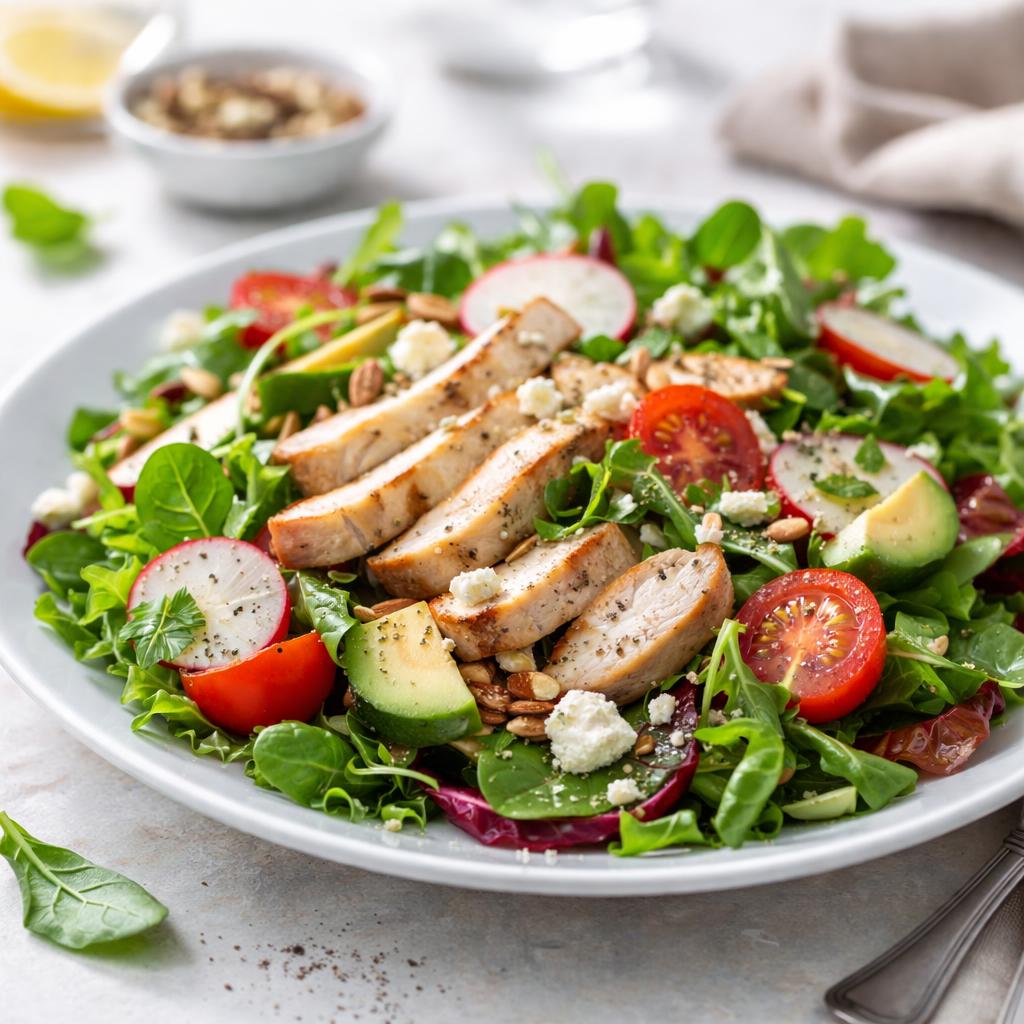
Salad
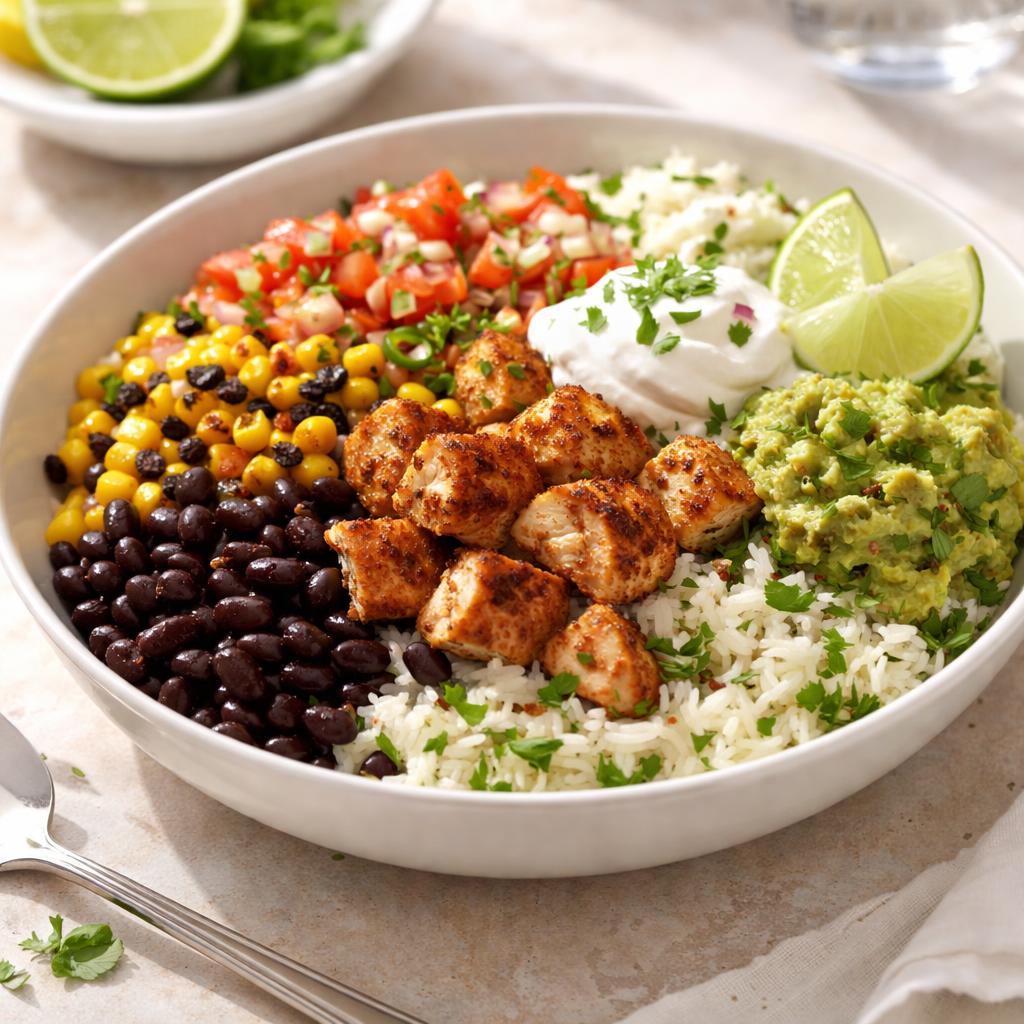
Burrito Bowl
🎯 Quick Verdict
Salad is lower in calories and better suited for weight management, while the burrito bowl is significantly higher in protein, making it ideal for those seeking muscle recovery. Both provide similar fiber content, but their vitamin profiles differ depending on the toppings. Choose a salad for light, nutrient-focused meals or a burrito bowl for sustained energy and post-workout nutrition.

Smart Nutrition Tracking with SnapCalorie

📊 Nutritional Comparison
Macronutrients
| Nutrient | Food 1 | Food 2 | Winner |
|---|---|---|---|
| Calories | 150 | 450 | ✓ |
| Protein | 5g | 20g | ✓ |
| Carbs | 18g | 50g | ✓ |
| Fat | 8g | 15g | ✓ |
| Fiber | 6g | 6g | − |
Vitamins & Minerals
| Nutrient | Food 1 | Food 2 | Winner |
|---|---|---|---|
| Vitamin A | 4000 IU | 2500 IU | ✓ |
| Vitamin C | 30mg | 15mg | ✓ |
| Calcium | 100mg | 150mg | ✓ |
| Iron | 1mg | 4mg | ✓ |
🏆 Category Winners
Protein
Food2 delivers four times more protein per serving.
Fiber
Both foods contain similar amounts of dietary fiber, aiding digestion.
Calories
Food1 is 67% lower in calories than food2, supporting weight management.
Vitamins
Food1 is richer in Vitamin A and C for immune and eye health, while food2 excels in iron and calcium.
🥗 Diet Compatibility
Keto
Food 1: Not Compatible
Food 2: Not Compatible
Both foods are too high in carbs for strict keto diets.
Vegan
Food 1: Compatible
Food 2: Compatible
Both can be made vegan with plant-based ingredients.
Gluten Free
Food 1: Compatible
Food 2: Compatible
Neither contains gluten by default when made with gluten-free options.
Paleo
Food 1: Compatible
Food 2: Not Compatible
Food1 aligns with paleo principles, but food2 likely includes beans or grains which are excluded in paleo diets.
Low-Carb
Food 1: Compatible
Food 2: Not Compatible
Food1 is lower in carbs at 18g per serving compared to food2’s 50g.
💪 Health Benefits Comparison
Food 1 Benefits
- Low calorie content supports weight management.
- Rich in Vitamin A and C for immune and skin health.
- High fiber content aids digestion and satiety.
- Provides antioxidants from leafy greens and vegetables.
Food 2 Benefits
- High protein content supports muscle repair and growth.
- Rich in calcium for bone health.
- Contains iron for improved oxygen transport.
- Provides sustained energy due to balanced macros.
✅ The Bottom Line
Choose salad for weight-conscious, light meals loaded with vitamins and antioxidants. Opt for the burrito bowl if you need a protein-packed, calorie-dense option for muscle recovery or energy sustainability after physical activity.
Choose Food 1 for: Weight loss, vegan diets, nutrient density
Choose Food 2 for: High-protein needs, post-workout meals, sustained energy


