Salad VS Brussels Sprouts
A detailed nutritional comparison
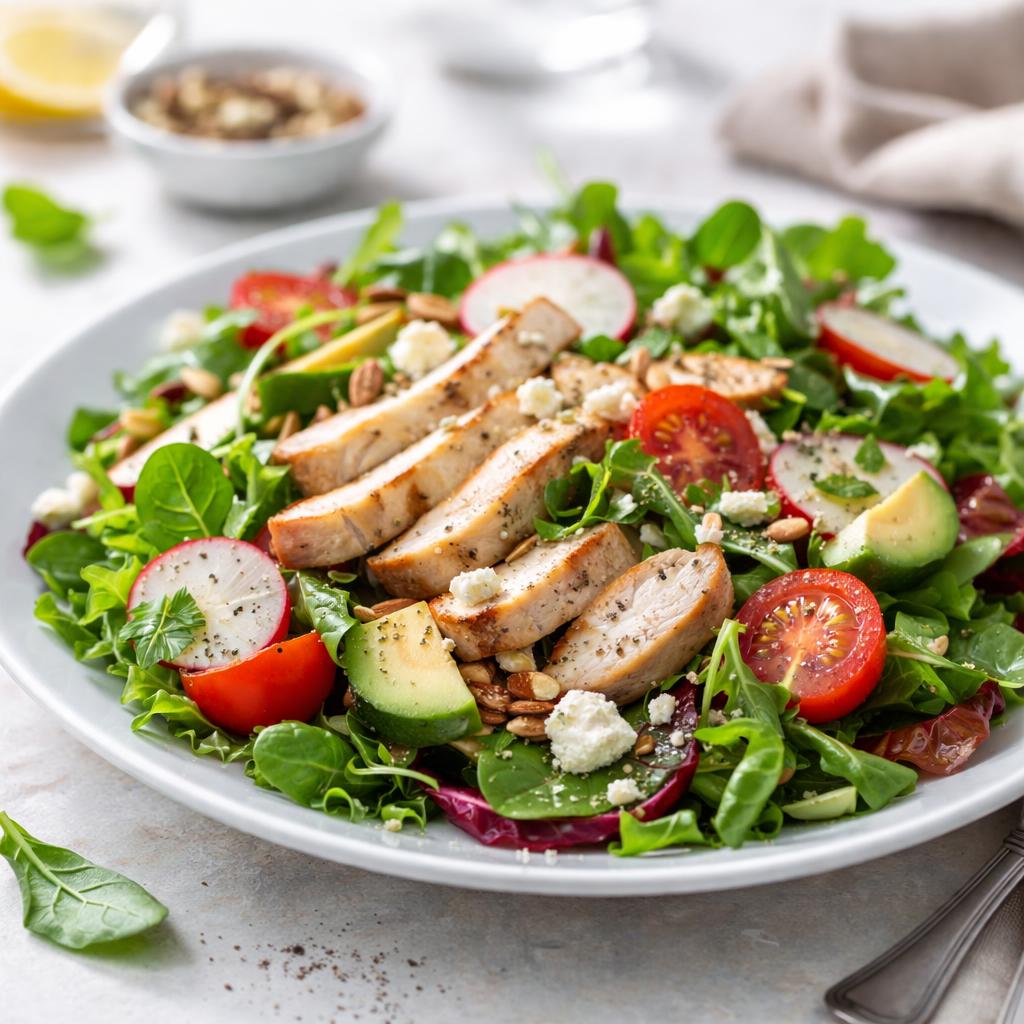
Salad
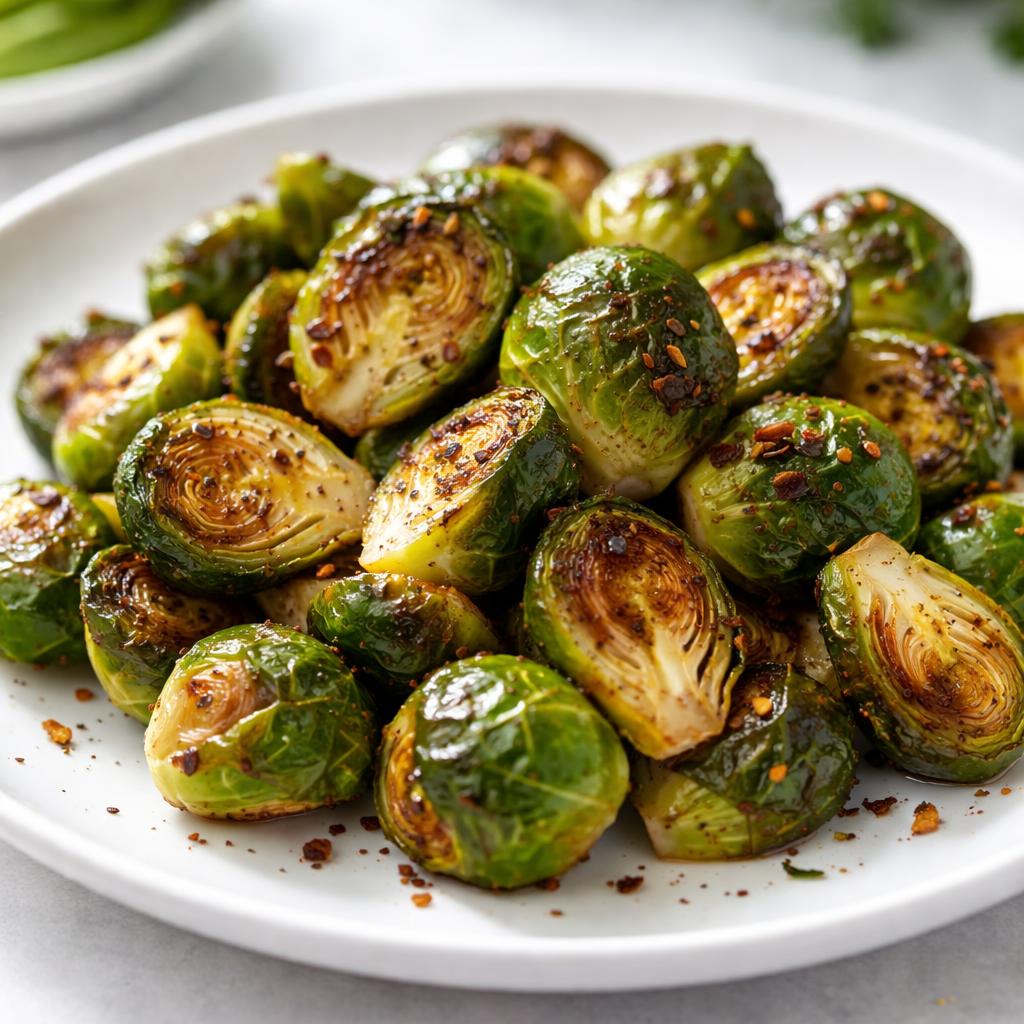
Brussels Sprouts
🎯 Quick Verdict
Salad and Brussels sprouts serve different dietary purposes. Salad is lighter in calories and ideal for weight management, while Brussels sprouts are richer in both fiber and protein per serving, making them better for digestive health and muscle maintenance. Choose salad for low-calorie meals and Brussels sprouts for more nutrient density and satiety.

Smart Nutrition Tracking with SnapCalorie

📊 Nutritional Comparison
Macronutrients
| Nutrient | Food 1 | Food 2 | Winner |
|---|---|---|---|
| Calories | 50 per cup | 70 per cup | ✓ |
| Protein | 2g per cup | 3g per cup | ✓ |
| Carbs | 10g per cup | 12g per cup | ✓ |
| Fat | 0.5g per cup | 0.6g per cup | ✓ |
| Fiber | 1g per cup | 3g per cup | ✓ |
Vitamins & Minerals
| Nutrient | Food 1 | Food 2 | Winner |
|---|---|---|---|
| Vitamin C | 9mg per cup | 48mg per cup | ✓ |
| Vitamin K | 60mcg per cup | 140mcg per cup | ✓ |
| Folate | 20mcg per cup | 50mcg per cup | ✓ |
| Potassium | 150mg per cup | 300mg per cup | ✓ |
🏆 Category Winners
Protein
Brussels sprouts contain 50% more protein per serving compared to salad.
Fiber
Brussels sprouts have three times the fiber content per serving.
Calories
Salad is lower in calories by about 30%.
Vitamins
Brussels sprouts are significantly richer in Vitamin C, Vitamin K, folate, and potassium.
🥗 Diet Compatibility
Keto
Food 1: Compatible
Food 2: Compatible
Both foods are low in carbs and suitable for a ketogenic diet when paired with healthy fats.
Vegan
Food 1: Compatible
Food 2: Compatible
Both are plant-based and vegan-friendly.
Gluten Free
Food 1: Compatible
Food 2: Compatible
Neither contains gluten.
Paleo
Food 1: Compatible
Food 2: Compatible
Both are whole foods acceptable on a paleo diet.
Low-Carb
Food 1: Compatible
Food 2: Compatible
Both are naturally low in carbohydrates.
💪 Health Benefits Comparison
Food 1 Benefits
- Extremely low in calories for weight management
- High water content for hydration
- Provides moderate amounts of Vitamin K for bone health
Food 2 Benefits
- Rich in Vitamin C for immune support
- Excellent source of dietary fiber for digestion
- Contains antioxidants that promote cellular health
- Good source of Vitamin K for blood clotting and bone health
✅ The Bottom Line
Both salad and Brussels sprouts are nutrient-dense options suited for different needs. Salad is ideal for calorie-conscious individuals and light meals, while Brussels sprouts are better for improving nutrient intake and satiety. Choose salad for refreshing, low-calorie dishes and Brussels sprouts for heartier, nutrient-packed sides.
Choose Food 1 for: Weight management, hydration, light meals
Choose Food 2 for: Digestive health, nutrient density, immune support


