Salad VS Bruschetta
A detailed nutritional comparison
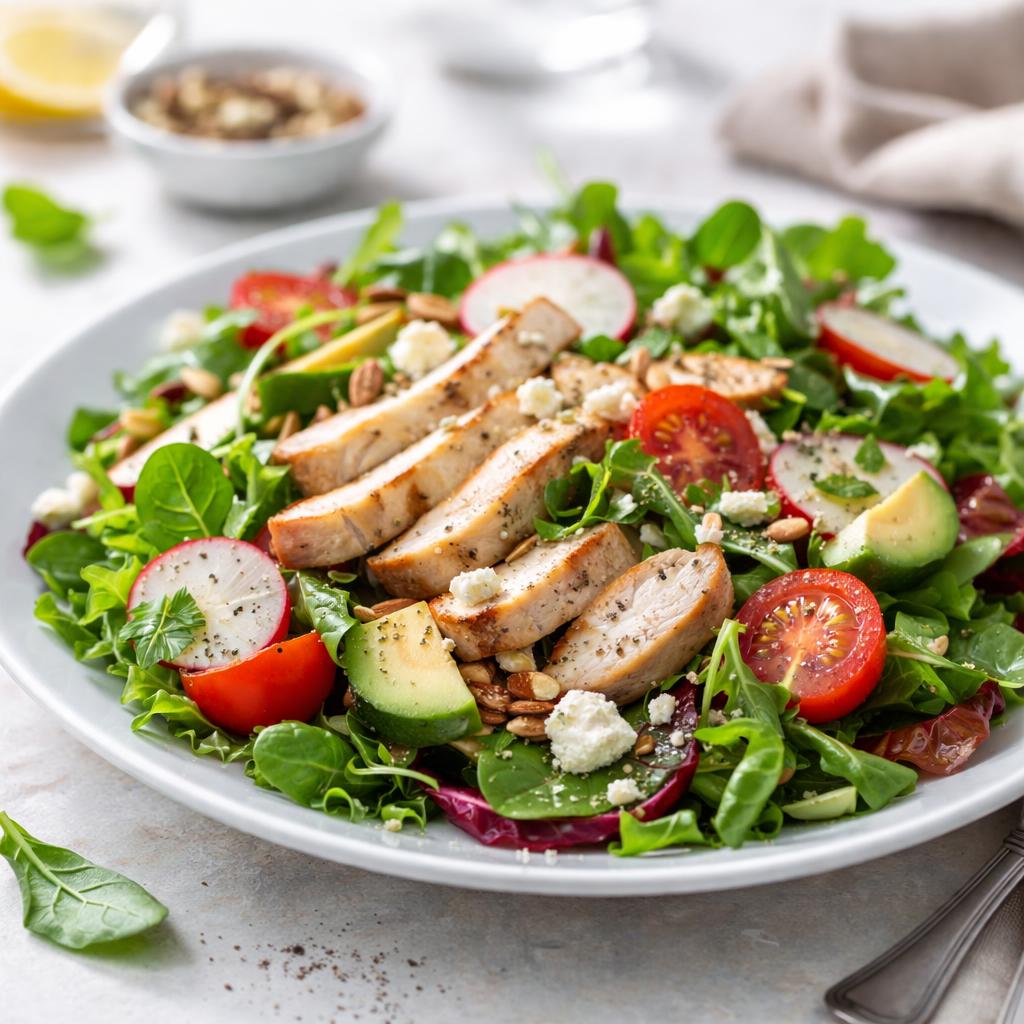
Salad
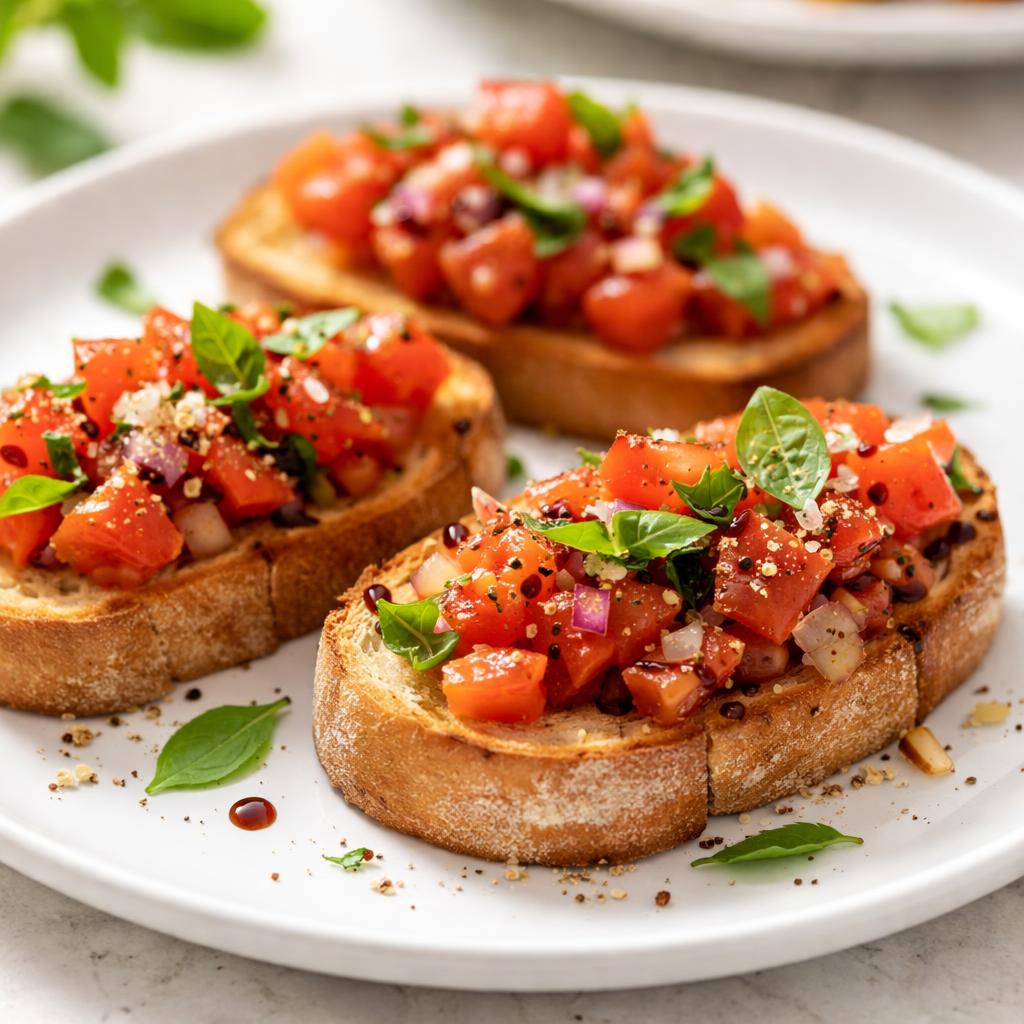
Bruschetta
🎯 Quick Verdict
Salad is a lower-calorie option packed with fiber and nutrients, making it ideal for weight management and digestive health. Bruschetta provides more carbohydrates and fats, suitable for quick energy boosts and a heartier snack. Salad shines in high-nutrient diets, while bruschetta is better for indulgent and energy-dense meals.

Smart Nutrition Tracking with SnapCalorie

📊 Nutritional Comparison
Macronutrients
| Nutrient | Food 1 | Food 2 | Winner |
|---|---|---|---|
| Calories | 80 | 150 | ✓ |
| Protein | 3g | 2g | ✓ |
| Carbs | 10g | 20g | ✓ |
| Fat | 2g | 6g | ✓ |
| Fiber | 4g | 2g | ✓ |
Vitamins & Minerals
| Nutrient | Food 1 | Food 2 | Winner |
|---|---|---|---|
| Vitamin A | 1500 IU | 800 IU | ✓ |
| Vitamin C | 20mg | 5mg | ✓ |
| Potassium | 400mg | 250mg | ✓ |
🏆 Category Winners
Protein
Salad contains 50% more protein per serving.
Fiber
Salad provides double the fiber content.
Calories
Salad has nearly 50% fewer calories per serving.
Vitamins
Salad offers significantly more Vitamin C, A, and Potassium.
🥗 Diet Compatibility
Keto
Food 1: Compatible
Food 2: Not Compatible
Salad is low-carb, while bread in bruschetta makes it unsuitable.
Vegan
Food 1: Compatible
Food 2: Compatible
Both are plant-based.
Gluten Free
Food 1: Compatible
Food 2: Not Compatible
Bruschetta contains gluten due to the bread.
Paleo
Food 1: Compatible
Food 2: Not Compatible
Bruschetta includes bread, which is not paleo-friendly.
Low-Carb
Food 1: Compatible
Food 2: Not Compatible
Salad is low in carbohydrates, while bruschetta is higher in carbs due to bread.
💪 Health Benefits Comparison
Food 1 Benefits
- Rich in vitamins and minerals (Vitamin A, Vitamin C, Potassium)
- Supports digestive health with high fiber content
- Low in calories and fat for weight management
- Good hydration source due to water content in vegetables
Food 2 Benefits
- Provides energy with higher carbohydrates
- Contains healthy fats from olive oil for heart health
- Offers antioxidants from tomatoes
- Adds flavor and is a satisfying snack option
✅ The Bottom Line
Choose salad for a nutrient-dense, low-calorie meal or snack that supports weight management and overall health. Opt for bruschetta when you need a quick energy boost or a flavorful, indulgent treat. Each food shines in different contexts based on dietary goals.
Choose Food 1 for: Weight loss, digestive health, low-calorie diets
Choose Food 2 for: Quick energy, indulgent meals, snack with healthy fats


