Salad VS Bologna
A detailed nutritional comparison
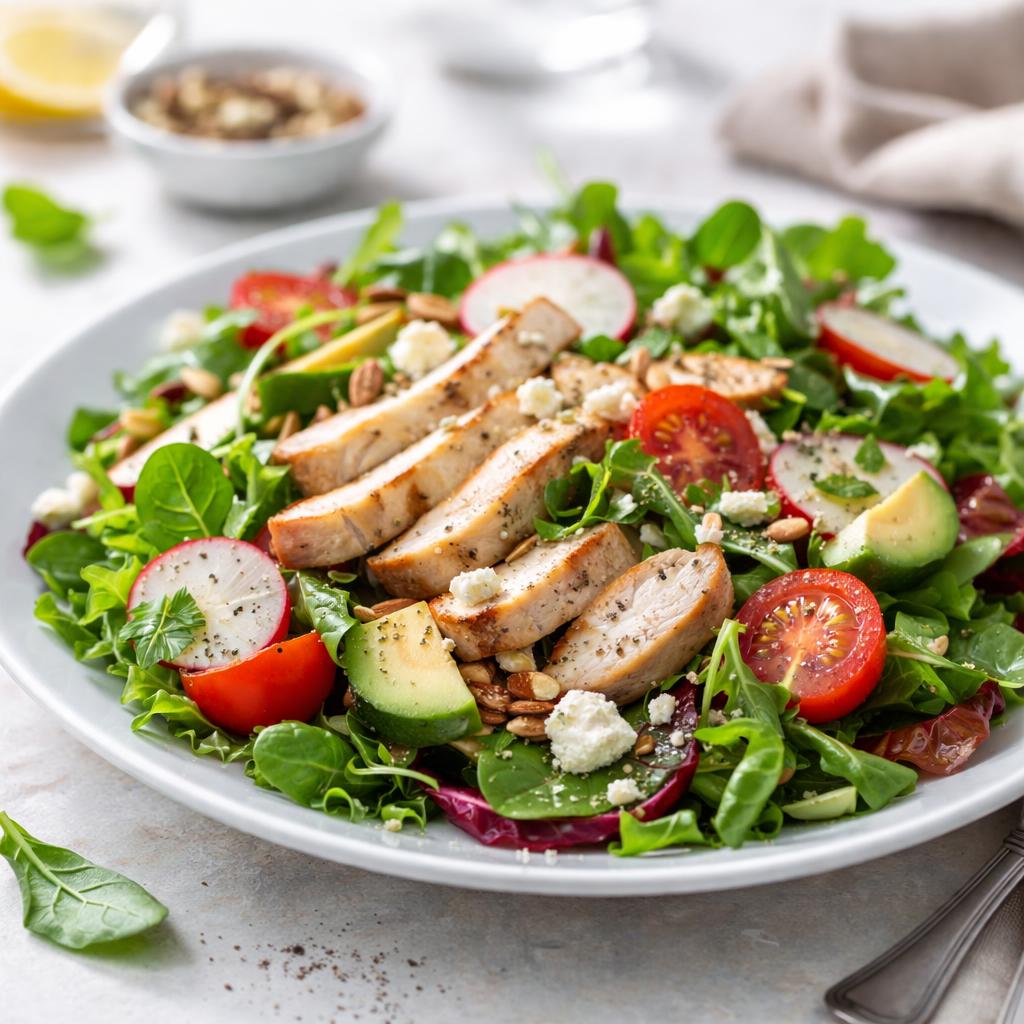
Salad
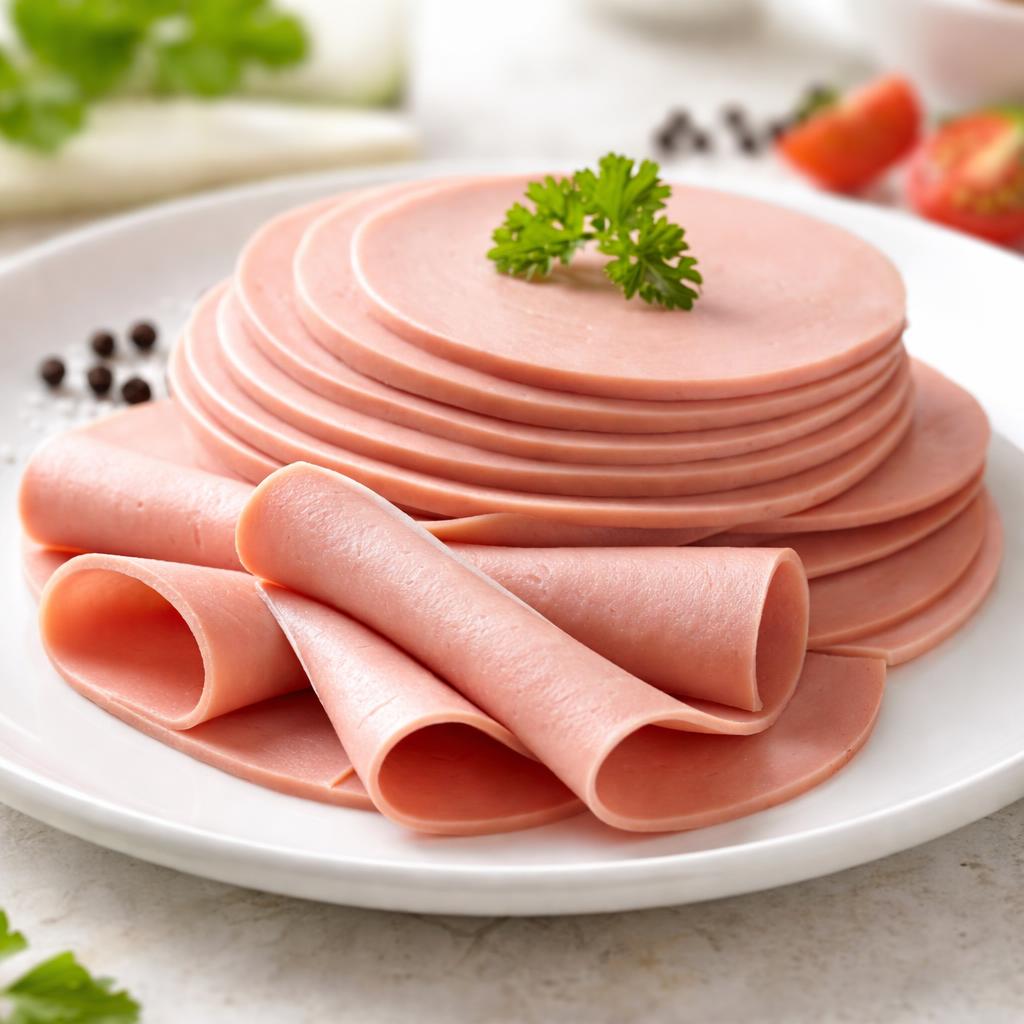
Bologna
🎯 Quick Verdict
Salad is much lower in calories and fat, making it ideal for weight loss and general health-conscious diets. Bologna offers more protein but is much higher in saturated fat and sodium, making it suitable only in moderation. Salad provides more vitamins, minerals, and fiber, benefiting digestion and overall nutrient intake.

Smart Nutrition Tracking with SnapCalorie

📊 Nutritional Comparison
Macronutrients
| Nutrient | Food 1 | Food 2 | Winner |
|---|---|---|---|
| Calories | 50 | 300 | ✓ |
| Protein | 2g | 12g | ✓ |
| Carbs | 10g | 1g | ✓ |
| Fat | 1g | 25g | ✓ |
| Fiber | 3g | 0g | ✓ |
Vitamins & Minerals
| Nutrient | Food 1 | Food 2 | Winner |
|---|---|---|---|
| Vitamin A | 1500IU | 0IU | ✓ |
| Vitamin C | 15mg | 0mg | ✓ |
| Iron | 1mg | 0.8mg | ✓ |
| Sodium | 50mg | 1000mg | ✓ |
🏆 Category Winners
Protein
Bologna has 500% more protein than salad per serving.
Fiber
Salad provides 3g of fiber, while bologna has none.
Calories
Salad is significantly lower with only 50 calories vs 300 in bologna.
Vitamins
Salad offers more Vitamin A, Vitamin C, and slightly more iron.
🥗 Diet Compatibility
Keto
Food 1: Compatible
Food 2: Compatible
Both foods are low-carb.
Vegan
Food 1: Compatible
Food 2: Not Compatible
Salad is plant-based, while bologna contains meat products.
Gluten Free
Food 1: Compatible
Food 2: Compatible
Neither food contains gluten inherently.
Paleo
Food 1: Compatible
Food 2: Not Compatible
Salad aligns with paleo principles, but bologna is processed and does not.
Low Carb
Food 1: Compatible
Food 2: Compatible
Both are suitable for low-carb diets, emphasizing low carbohydrate content.
💪 Health Benefits Comparison
Food 1 Benefits
- Rich in vitamins A and C for immune and skin health
- Provides dietary fiber for improved digestion
- Low in calories, making it ideal for weight management
Food 2 Benefits
- High in protein, supporting muscle growth and repair
- Convenient source of energy and satiety
- Contains iron for supporting oxygen transport in the body
✅ The Bottom Line
If prioritizing weight management and overall nutrient intake, choose salad. For a quick protein boost, bologna can be used sparingly. Keep in mind that bologna's high sodium and fat content may not align with heart-health-focused diets.
Choose Food 1 for: Weight loss, fiber intake, nutrient-dense diets
Choose Food 2 for: Quick protein add-on for athletes or convenience snacks


