Salad VS Baby Spinach
A detailed nutritional comparison
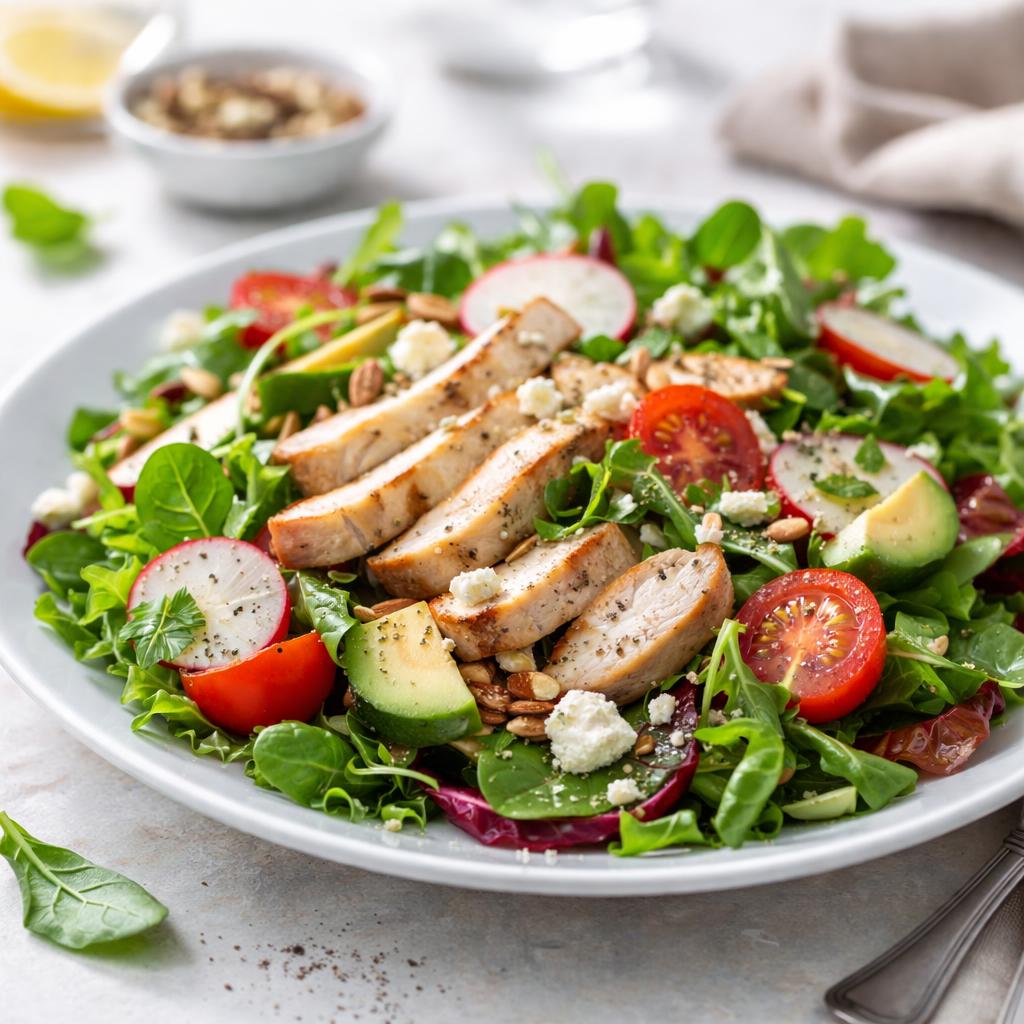
Salad
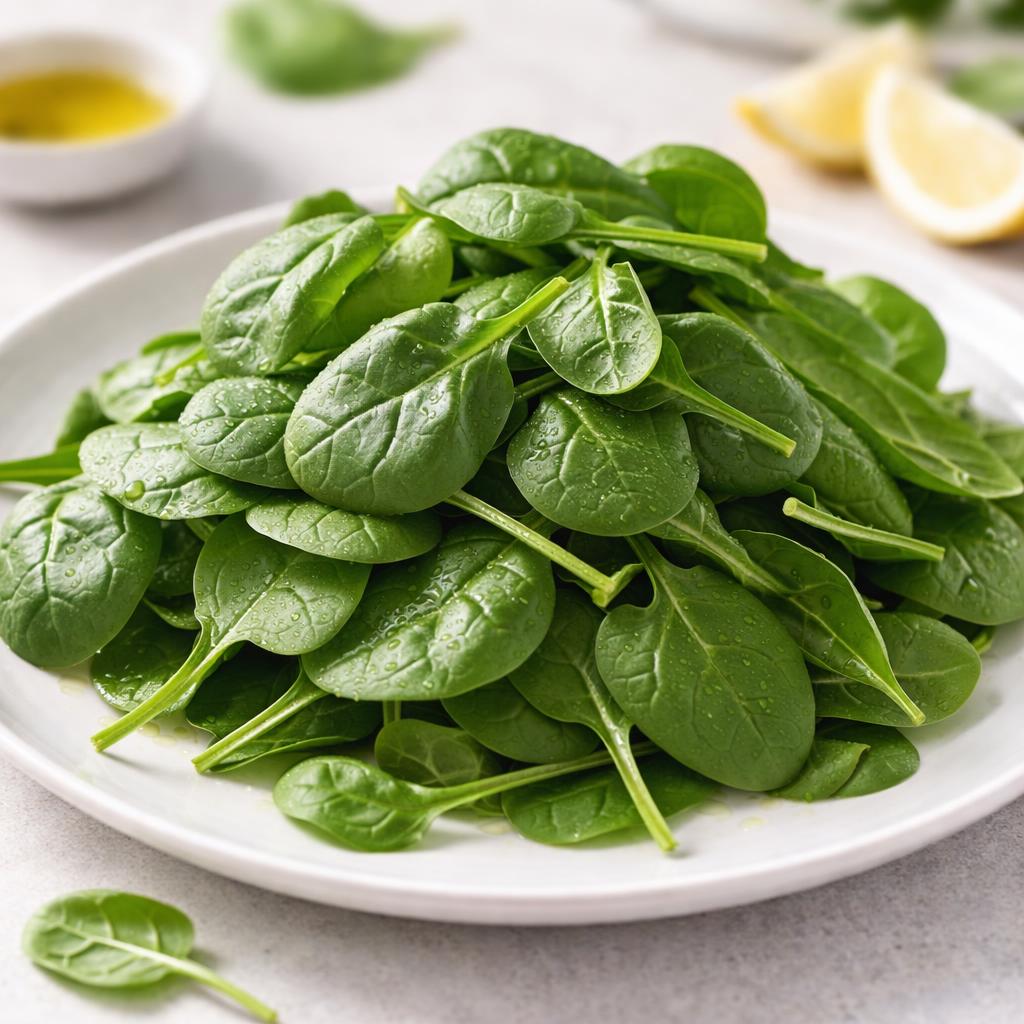
Baby Spinach
🎯 Quick Verdict
Baby spinach generally outperforms a standard salad mix in nutrition, offering more protein, fiber, and significantly fewer calories per serving. Salad mixes, while diverse, may include ingredients like iceberg lettuce that are lower in nutrients, but can still be a great hydrating option. Baby spinach is ideal for those seeking a nutrient-dense food for energy and health, while salad mixes work well for volume and variety in meals.

Smart Nutrition Tracking with SnapCalorie

📊 Nutritional Comparison
Macronutrients
| Nutrient | Food 1 | Food 2 | Winner |
|---|---|---|---|
| Calories | 50 per cup | 7 per cup | ✓ |
| Protein | 1g per cup | 2g per cup | ✓ |
| Carbs | 10g per cup | 1g per cup | ✓ |
| Fat | 0.2g per cup | 0g per cup | ✓ |
| Fiber | 1g per cup | 0.7g per cup | ✓ |
Vitamins & Minerals
| Nutrient | Food 1 | Food 2 | Winner |
|---|---|---|---|
| Vitamin A | 140 IU per cup | 2813 IU per cup | ✓ |
| Vitamin K | 60mcg per cup | 145mcg per cup | ✓ |
| Vitamin C | 10mg per cup | 8.4mg per cup | ✓ |
🏆 Category Winners
Protein
Baby spinach offers 100% more protein per cup compared to salad mix.
Fiber
Salad mix has slightly more fiber overall.
Calories
Baby spinach has significantly fewer calories (7 vs. 50 per cup).
🥗 Diet Compatibility
Keto
Food 1: Compatible
Food 2: Compatible
Both are low-carb options suitable for keto diets.
Vegan
Food 1: Compatible
Food 2: Compatible
Both foods are plant-based and appropriate for vegan diets.
Gluten Free
Food 1: Compatible
Food 2: Compatible
Both are naturally gluten-free.
Paleo
Food 1: Compatible
Food 2: Compatible
Both align with paleo principles of whole, unprocessed foods.
Low-Carb
Food 1: Compatible
Food 2: Better Compatible
Baby spinach is lower in net carbohydrates compared to salad mix.
💪 Health Benefits Comparison
Food 1 Benefits
- Provides hydration due to high water content
- Contains some dietary fiber for digestion
- Offers vitamin C for immune health
- Can be combined with other greens and toppings for variety
Food 2 Benefits
- Rich in vitamin A for eye and skin health
- High in vitamin K for bone and blood health
- Low calorie and nutrient-dense for weight control
- Has more protein per serving to aid muscle repair
✅ The Bottom Line
Baby spinach is the better choice for nutrition, offering higher protein, lower calories, and more vitamins. Salad mixes, while still healthy, tend to have fewer nutrients depending on the specific greens included. Choose baby spinach for nutrient density and energy, and salad mix for meal volume and variety.
Choose Food 1 for: Hydration, variety, lighter meals
Choose Food 2 for: Weight management, nutrient boost, health-focused diets


