Salad VS Applesauce
A detailed nutritional comparison
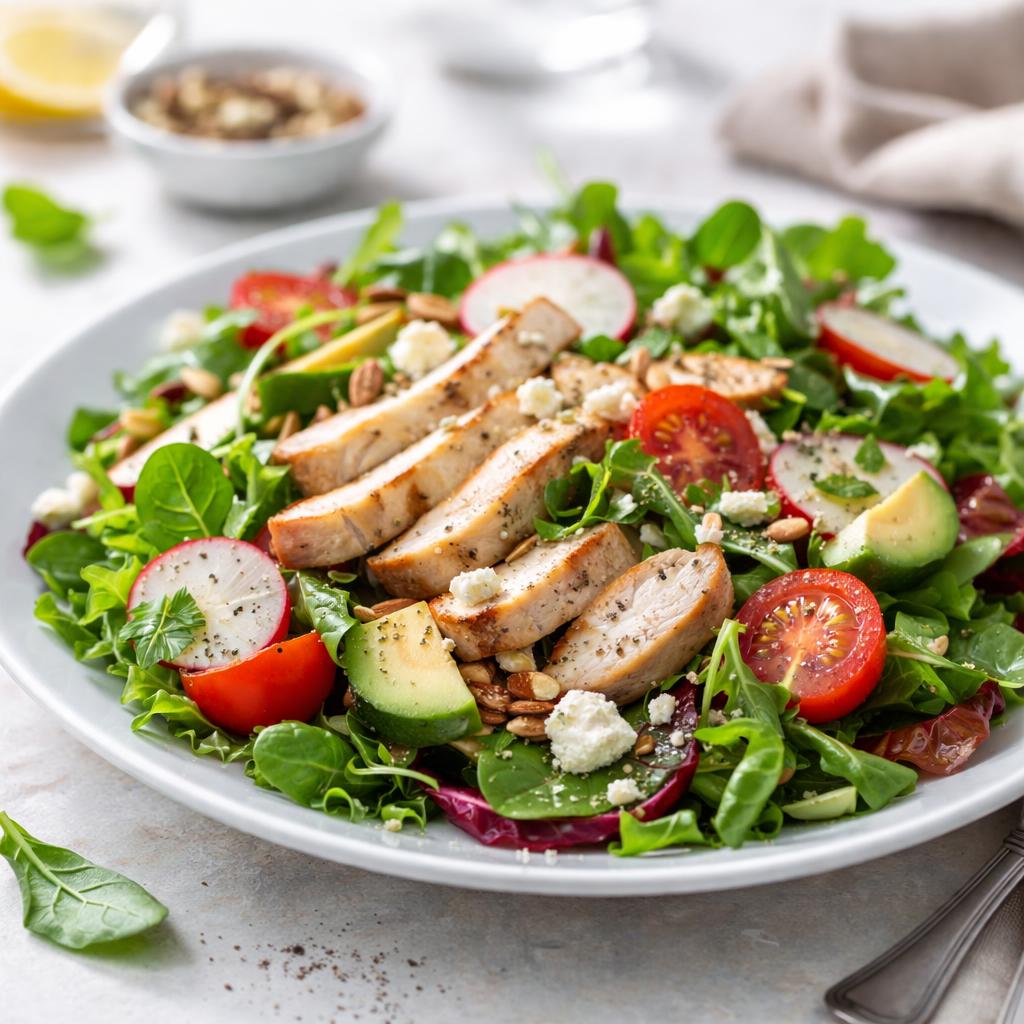
Salad

Applesauce
🎯 Quick Verdict
Salad offers significantly more protein, fiber, and fewer calories compared to applesauce, making it a better choice for weight management and nutrient density. Applesauce, however, provides quick carbohydrates for energy and is more suited for light snacks or post-workout recovery when energy replenishment is needed.

Smart Nutrition Tracking with SnapCalorie

📊 Nutritional Comparison
Macronutrients
| Nutrient | Food 1 | Food 2 | Winner |
|---|---|---|---|
| Calories | 35 | 100 | ✓ |
| Protein | 2g | 0g | ✓ |
| Carbs | 7g | 25g | ✓ |
| Fat | 0g | 0g | − |
| Fiber | 2.5g | 1g | ✓ |
Vitamins & Minerals
| Nutrient | Food 1 | Food 2 | Winner |
|---|---|---|---|
| Vitamin C | 10mg | 3mg | ✓ |
| Vitamin A | 200IU | 0IU | ✓ |
| Potassium | 120mg | 80mg | ✓ |
🏆 Category Winners
Protein
Salad has measurable levels of protein (2g per serving) that applesauce lacks (0g).
Fiber
Salad provides 2.5g fiber compared to applesauce's 1g.
Calories
Salad contains only 35 calories per serving, far less than applesauce's 100 calories.
🥗 Diet Compatibility
Keto
Food 1: Compatible
Food 2: Not Compatible
Salad is low-carb (7g per serving), while applesauce is higher-carb (25g per serving).
Vegan
Food 1: Compatible
Food 2: Compatible
Both are plant-based and free of animal products.
Gluten Free
Food 1: Compatible
Food 2: Compatible
Neither contains gluten, barring added ingredients.
Paleo
Food 1: Compatible
Food 2: Compatible
Both align with paleo diet principles but check applesauce for added sugar.
Low-Carb
Food 1: Compatible
Food 2: Not Compatible
Salad is lower in carbohydrates.
💪 Health Benefits Comparison
Food 1 Benefits
- High fiber content supports digestive health.
- Low calorie density aids in weight management.
- Rich in vitamins C and A for immune function and eye health.
Food 2 Benefits
- Quick source of carbohydrates for immediate energy.
- Potassium supports muscle and heart function.
- Contains natural sugars that aid in recovery.
✅ The Bottom Line
Salad is the better option for a nutrient-dense, low-calorie, and high-fiber meal, ideal for those aiming to manage weight or improve overall nutrition. Applesauce serves as a quick carb source for energy bursts or post-workout recovery but lacks significant protein and fiber.
Choose Food 1 for: Weight loss, digestion, immune health
Choose Food 2 for: Energy boosts, post-workout recovery, light snacks


