Rye Bread VS Bread With Cheese Spread
A detailed nutritional comparison
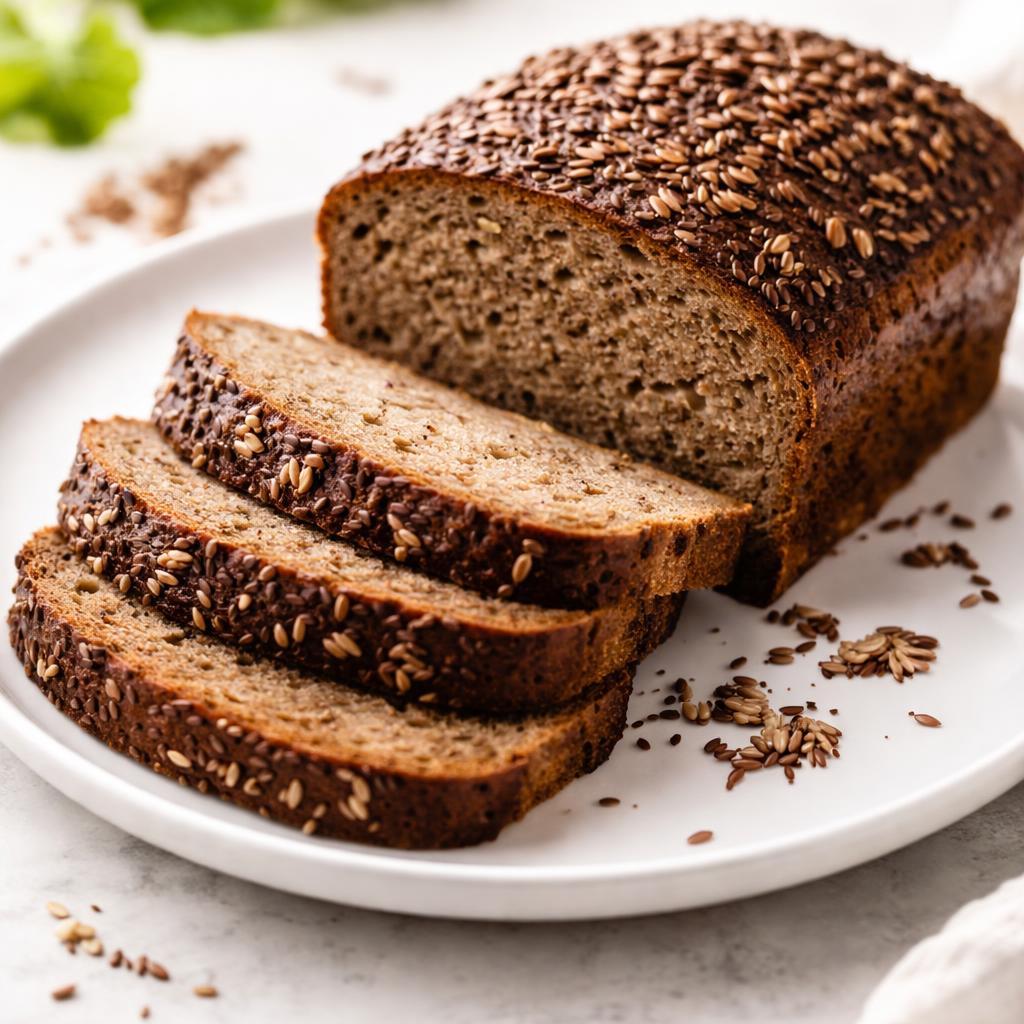
Rye Bread

Bread With Cheese Spread
🎯 Quick Verdict
Rye bread is lower in calories and higher in fiber, making it a great option for weight management and digestive health. Bread with cheese spread is higher in protein and contains fats, making it suitable for those needing extra energy or protein in their diets. Both options cater to different dietary needs effectively.

Smart Nutrition Tracking with SnapCalorie

📊 Nutritional Comparison
Macronutrients
| Nutrient | Food 1 | Food 2 | Winner |
|---|---|---|---|
| Calories | 83 per slice (28g) | 120 per serving (bread + cheese spread) | ✓ |
| Protein | 2.7g | 4.5g | ✓ |
| Carbs | 15g | 12g | ✓ |
| Fat | 1g | 7g | ✓ |
| Fiber | 1.9g | 0.5g | ✓ |
Vitamins & Minerals
| Nutrient | Food 1 | Food 2 | Winner |
|---|---|---|---|
| Vitamin D | 0mcg | 0.2mcg | ✓ |
| Calcium | 22mg | 150mg | ✓ |
| Iron | 0.6mg | 0.4mg | ✓ |
🏆 Category Winners
Protein
Bread with cheese spread has 67% more protein compared to rye bread.
Fiber
Rye bread provides nearly four times more fiber than bread with cheese spread.
Calories
Rye bread is 31% lower in calories per serving.
🥗 Diet Compatibility
Keto
Food 1: Not Compatible
Food 2: Not Compatible
Both contain carbs exceeding the typical keto limit.
Vegan
Food 1: Compatible
Food 2: Not Compatible
Rye bread is plant-based, whereas cheese spread is a dairy product.
Gluten Free
Food 1: Not Compatible
Food 2: Not Compatible
Both contain gluten.
Paleo
Food 1: Not Compatible
Food 2: Not Compatible
Both are processed and contain grains or dairy.
Low Carb
Food 1: Not Compatible
Food 2: Partially Compatible
Bread with cheese spread has slightly lower carbs, but neither is truly low-carb.
💪 Health Benefits Comparison
Food 1 Benefits
- Good source of fiber for digestion and gut health
- Low in fat and calories, ideal for weight management
- Contains iron to support red blood cell production
Food 2 Benefits
- High in protein to support muscle maintenance
- Rich in calcium for bone health
- Contains healthy fats for sustained energy
✅ The Bottom Line
Choose rye bread for a lighter, fiber-rich option ideal for weight management and digestion. Bread with cheese spread is better when you need higher protein, calcium, or energy intake. Both should be incorporated mindfully depending on dietary goals.
Choose Food 1 for: Weight management, digestive health, low-calorie diets
Choose Food 2 for: Protein needs, energy boosts, bone health


