Rolled Oats VS Rice Cakes
A detailed nutritional comparison
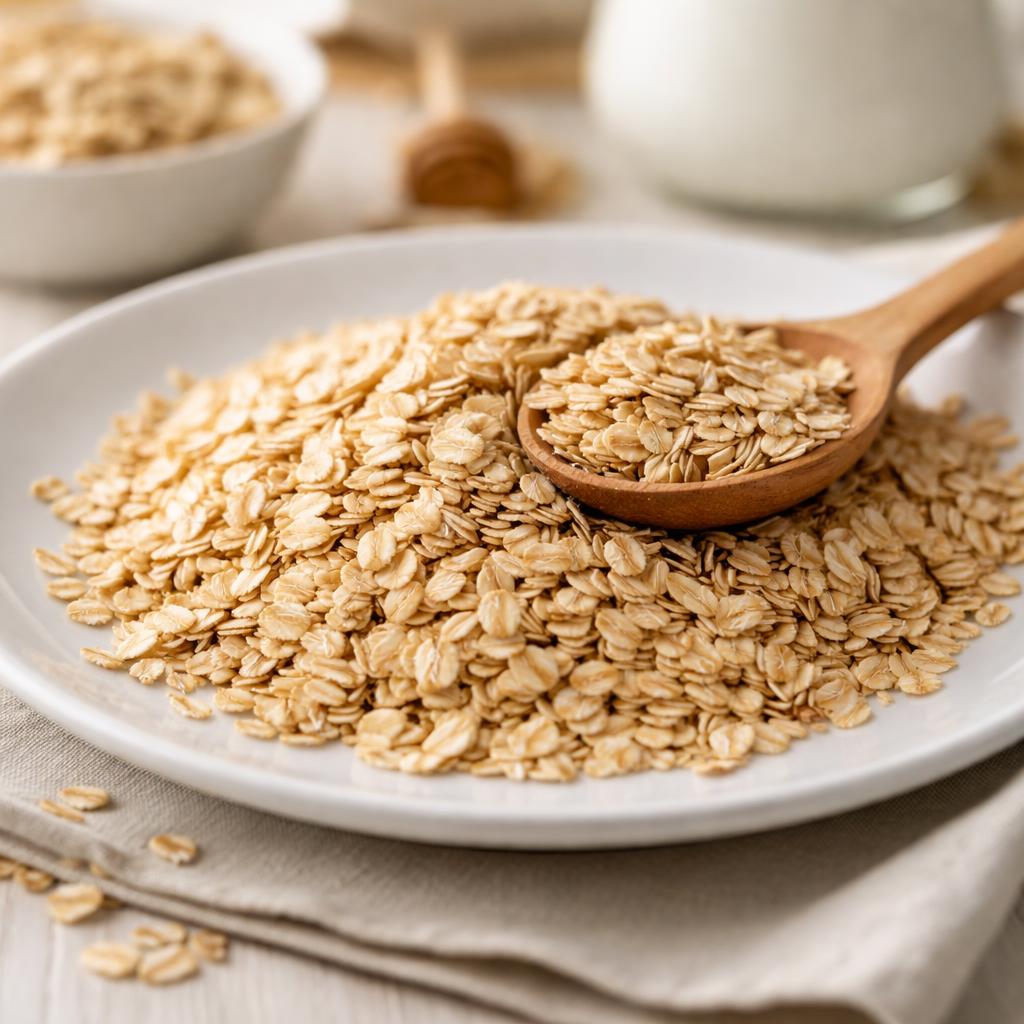
Rolled Oats
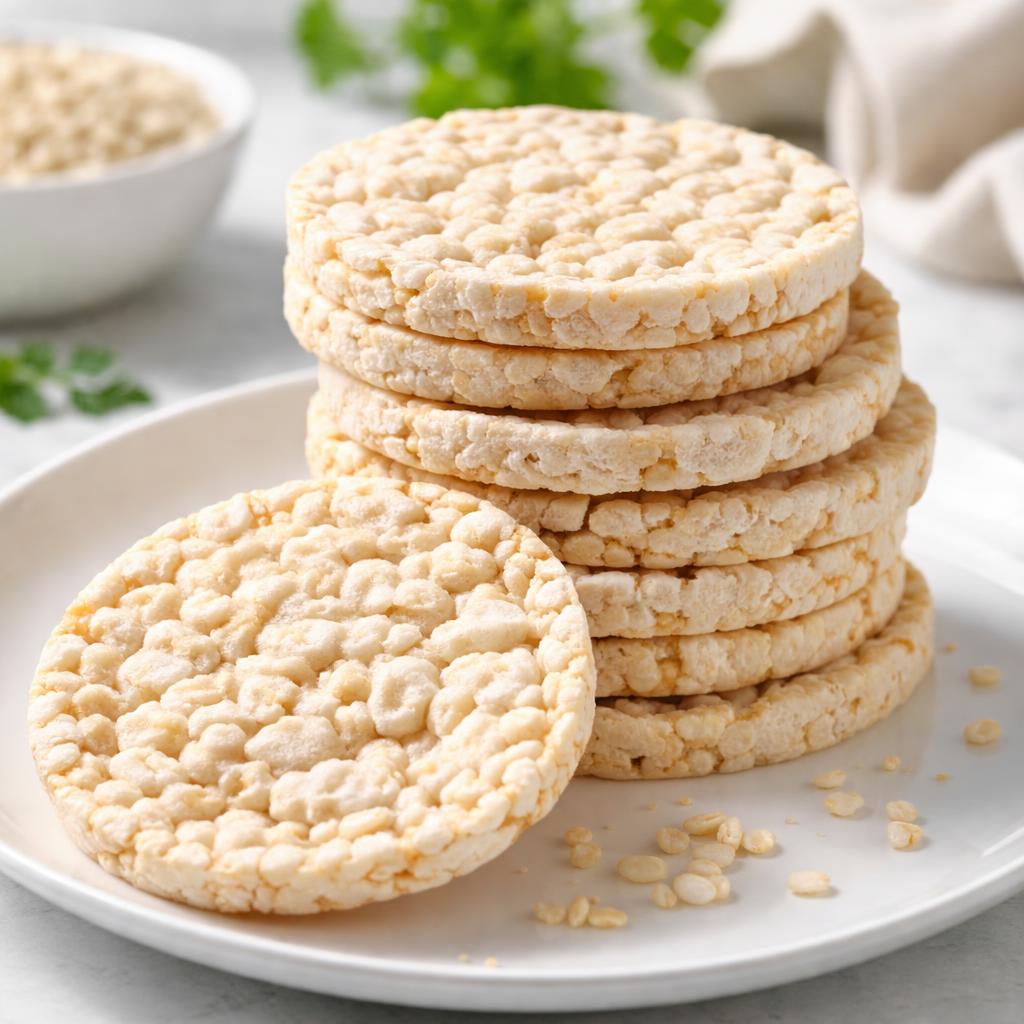
Rice Cakes
🎯 Quick Verdict
Rolled oats are more nutrient-dense, offering higher protein, fiber, and key vitamins. They are ideal for sustained energy and digestive health. Rice cakes, on the other hand, are lower-calorie and better suited for light snacking or weight loss-focused diets that prioritize low volume foods without compromising energy density.

Smart Nutrition Tracking with SnapCalorie

📊 Nutritional Comparison
Macronutrients
| Nutrient | Food 1 | Food 2 | Winner |
|---|---|---|---|
| Calories | 154 (per 40g) | 35 (per 8g rice cake) | ✓ |
| Protein | 5.4g (per 40g) | 0.6g (per 8g rice cake) | ✓ |
| Carbs | 27g (per 40g) | 7g (per 8g rice cake) | ✓ |
| Fat | 3g (per 40g) | 0g (per 8g rice cake) | ✓ |
| Fiber | 4g (per 40g) | 0.2g (per 8g rice cake) | ✓ |
Vitamins & Minerals
| Nutrient | Food 1 | Food 2 | Winner |
|---|---|---|---|
| Vitamin B1 (Thiamine) | 0.1mg | 0.02mg | ✓ |
| Magnesium | 38mg | 3mg | ✓ |
| Iron | 1.2mg | 0.2mg | ✓ |
🏆 Category Winners
Protein
Rolled oats provide 9 times more protein per serving.
Fiber
Rolled oats have 20x more fiber, supporting digestion.
Calories
Rice cakes have 77% fewer calories, ideal for low-calorie snacking.
Vitamins
Rolled oats offer more Magnesium (10x), Iron (6x), and Thiamine.
🥗 Diet Compatibility
Keto
Food 1: Not Compatible
Food 2: Not Compatible
Both are high-carb foods.
Vegan
Food 1: Compatible
Food 2: Compatible
Both are plant-based and free of animal products.
Gluten Free
Food 1: Depends (if certified gluten-free)
Food 2: Compatible
Rice cakes are naturally gluten-free, rolled oats require certification.
Paleo
Food 1: Not Compatible
Food 2: Compatible
Rice cakes fit paleo criteria, while oats are excluded as grains.
Low Carb
Food 1: Not Compatible
Food 2: Not Compatible
Both foods contain significant carbs unsuitable for low-carb diets.
💪 Health Benefits Comparison
Food 1 Benefits
- Rich in fiber to promote heart health and digestion
- Contains complex carbohydrates for sustained energy
- High in magnesium which supports muscle and nerve function
- Provides iron for oxygen transport and energy production
Food 2 Benefits
- Low-calorie alternative for weight management
- Gluten-free and suitable for sensitive diets
- Light and easily digestible for quick snacking
- Minimal fat and low sodium, supporting heart health
✅ The Bottom Line
Choose rolled oats for nutrient density, sustained energy, and digestion support. Opt for rice cakes as a low-calorie, light snack to manage hunger between meals or for special dietary concerns like paleo or gluten-free needs.
Choose Food 1 for: Energy boost, fiber-rich breakfasts, muscle maintenance
Choose Food 2 for: Weight control, quick and light snacks, paleo-friendly


