Rolled Oats VS Quaker Oats
A detailed nutritional comparison
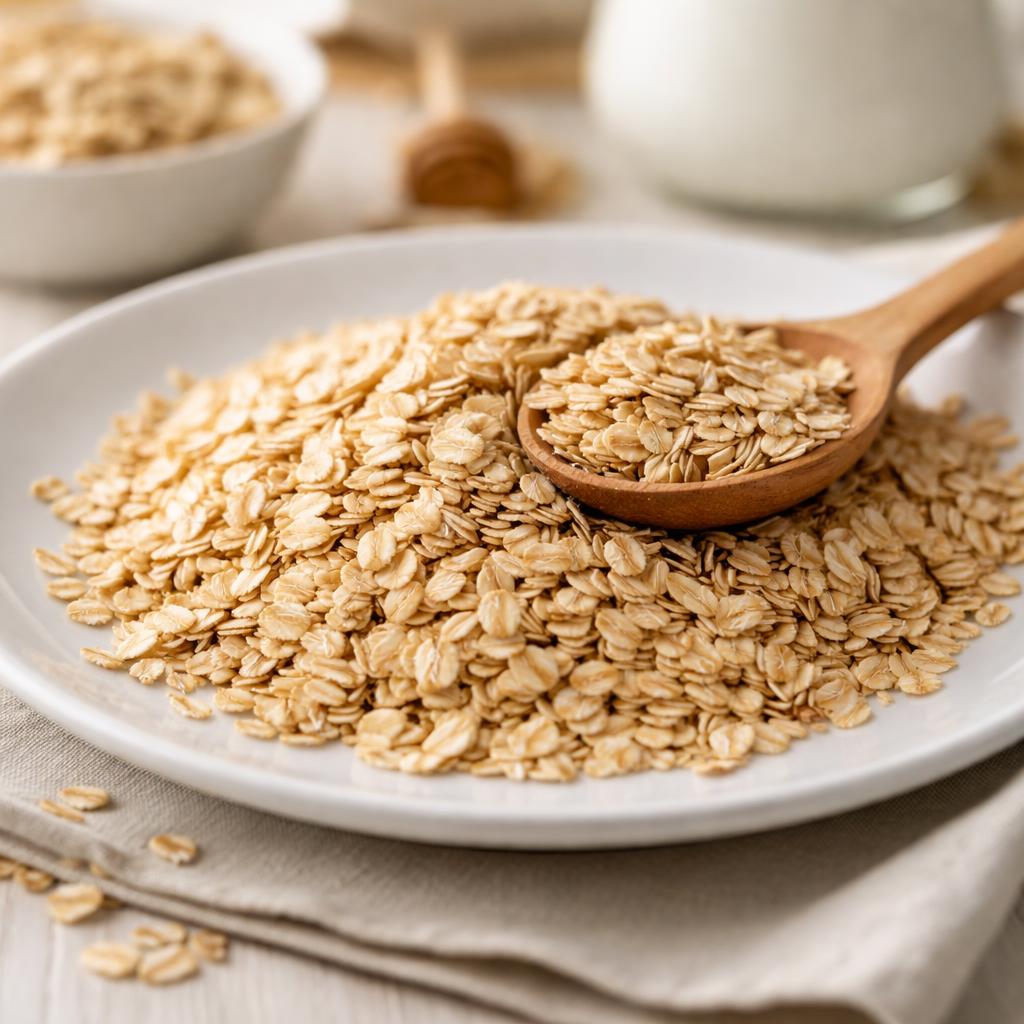
Rolled Oats
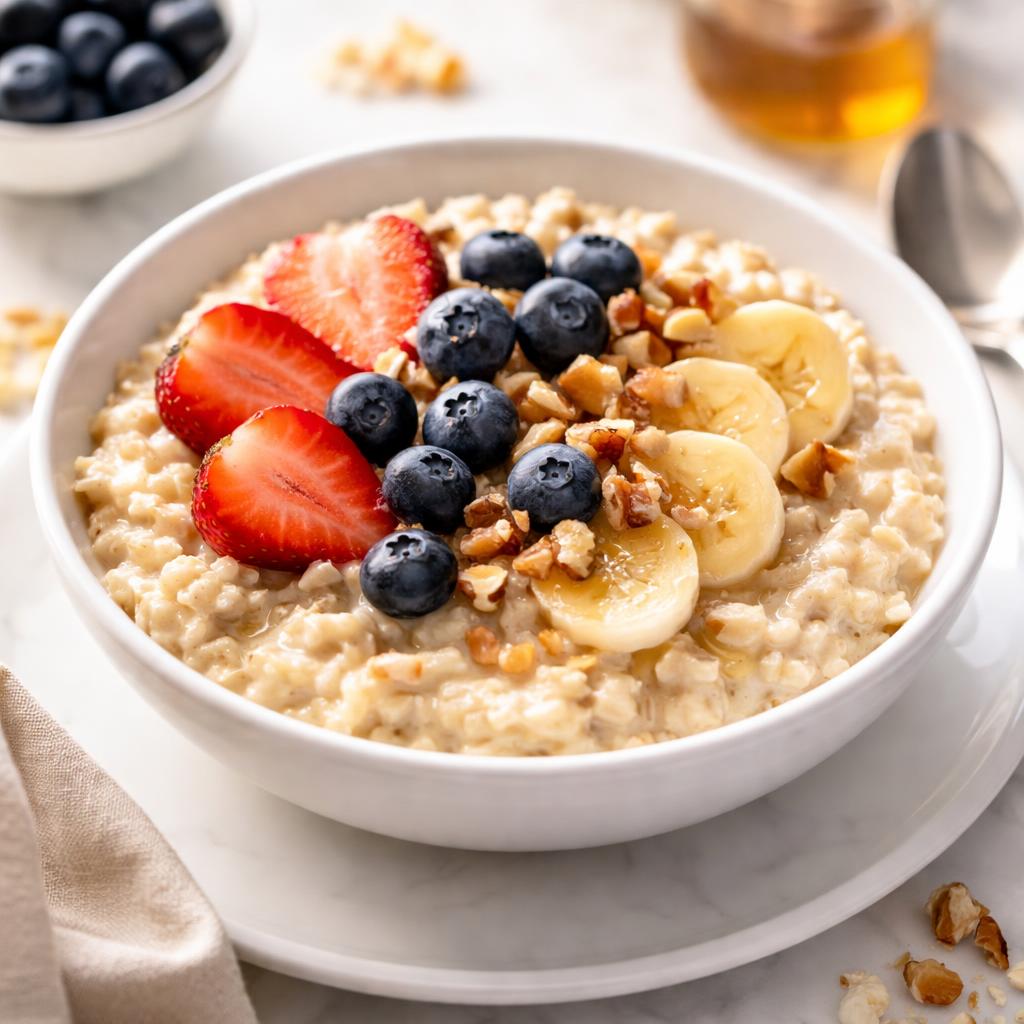
Quaker Oats
🎯 Quick Verdict
Rolled oats and Quaker Oats are nutritionally very similar, offering comparable calories, protein, and carbs. Rolled oats edge ahead slightly in fiber content, making them better for digestion. Both are excellent sources of long-lasting energy and are versatile for breakfast or snacks.

Smart Nutrition Tracking with SnapCalorie

📊 Nutritional Comparison
Macronutrients
| Nutrient | Food 1 | Food 2 | Winner |
|---|---|---|---|
| Calories | 150 | 150 | − |
| Protein | 5g | 5g | − |
| Carbs | 27g | 27g | − |
| Fat | 3g | 3g | − |
| Fiber | 4g | 3g | ✓ |
Vitamins & Minerals
| Nutrient | Food 1 | Food 2 | Winner |
|---|---|---|---|
| Vitamin D | 0mcg | 0mcg | − |
| Calcium | 20mg | 20mg | − |
| Iron | 2mg | 1.8mg | ✓ |
🏆 Category Winners
Protein
Both foods offer 5g of protein per serving.
Fiber
Rolled oats contain 33% more fiber.
Calories
Both foods contain 150 calories per serving.
Vitamins
Rolled oats have slightly more iron content than Quaker Oats.
🥗 Diet Compatibility
Keto
Food 1: Not Compatible
Food 2: Not Compatible
Both foods are high in carbs and not suitable for keto.
Vegan
Food 1: Compatible
Food 2: Compatible
Both are plant-based and vegan-friendly.
Gluten Free
Food 1: Depends
Food 2: Depends
Both can be gluten-free if certified, but oats may naturally contain traces of gluten.
Paleo
Food 1: Not Compatible
Food 2: Not Compatible
Oats are a grain and not paleo-compliant.
Low-Carb
Food 1: Not Compatible
Food 2: Not Compatible
High carbohydrate content makes both unsuitable for low-carb diets.
💪 Health Benefits Comparison
Food 1 Benefits
- High in dietary fiber for promoting gut health
- Rich in iron for oxygen transport in the body
- Provides long-lasting energy due to complex carbohydrates
- Low in fat and cholesterol-free
Food 2 Benefits
- Source of fiber, helping to regulate digestion
- Contains complex carbohydrates for sustained energy
- May contribute to heart health due to soluble fiber content
- Convenient and quick to prepare
✅ The Bottom Line
Choose rolled oats if you prioritize higher fiber content and slightly better iron levels. Opt for Quaker Oats if convenience is key, as they often offer ready-to-use or pre-flavored options. Both are versatile, affordable, and great for making oatmeal, granola, or smoothies.
Choose Food 1 for: Gut health, homemade recipes, iron intake
Choose Food 2 for: Quick breakfast, energy snacks, heart health


