Rolled Oats VS Lo Mein Noodles
A detailed nutritional comparison
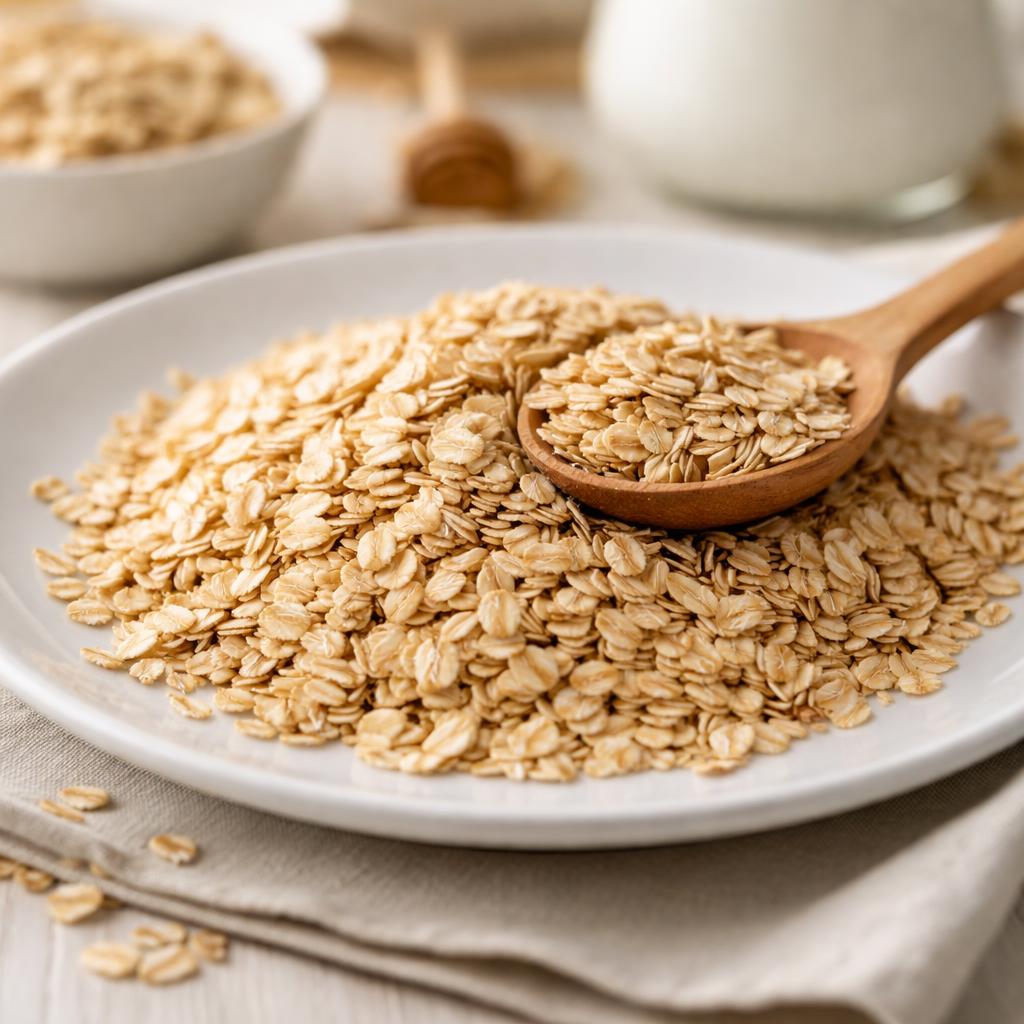
Rolled Oats
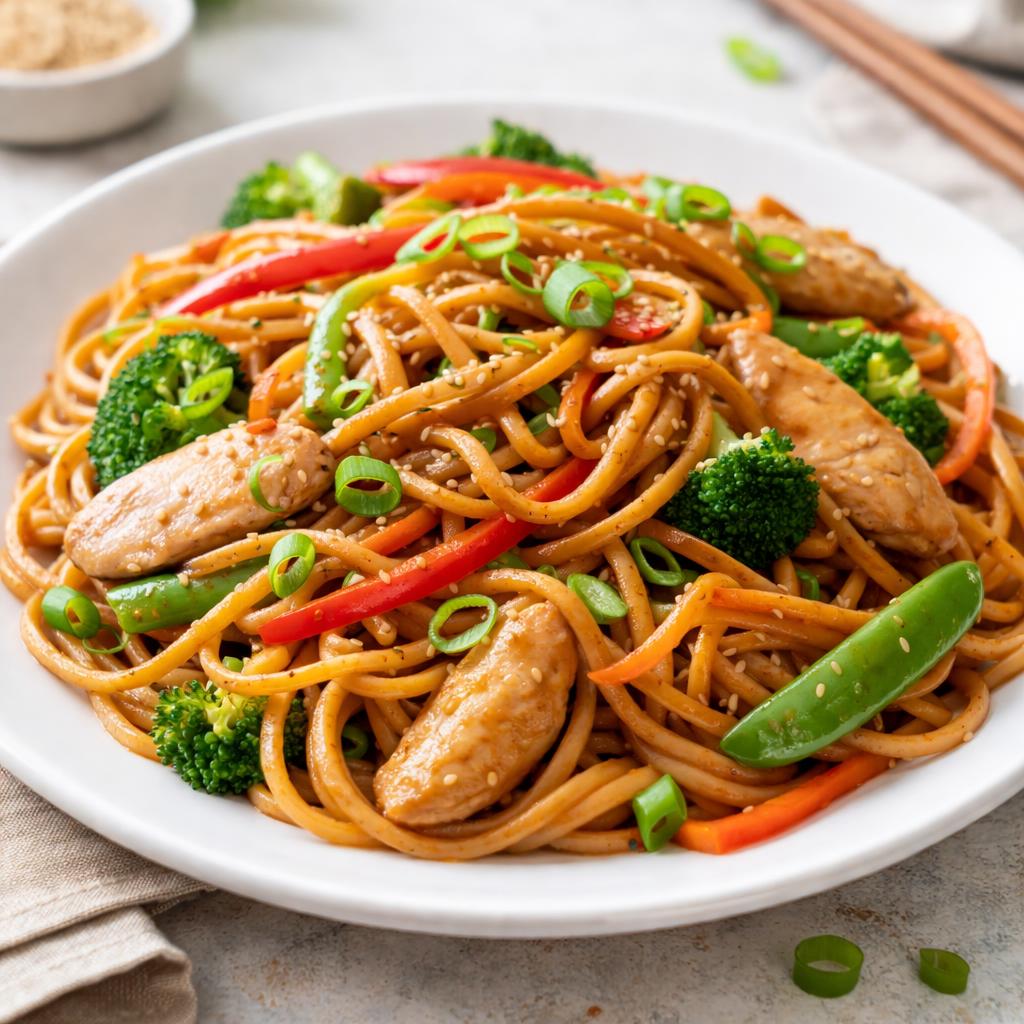
Lo Mein Noodles
🎯 Quick Verdict
Rolled oats are a nutrient-dense breakfast option packed with fiber, protein, and fewer calories compared to lo mein noodles. Lo mein noodles are higher in carbohydrates and contain more calories, making them a better fit for energy-dense meals or sports performance diets. Both foods have distinct uses based on dietary goals and preparation methods.

Smart Nutrition Tracking with SnapCalorie

📊 Nutritional Comparison
Macronutrients
| Nutrient | Food 1 | Food 2 | Winner |
|---|---|---|---|
| Calories | 154 per 1/2 cup uncooked | 220 per 1 cup cooked | ✓ |
| Protein | 5.5g | 7g | ✓ |
| Carbs | 27g | 40g | ✓ |
| Fat | 3g | 1g | ✓ |
| Fiber | 4g | 1.5g | ✓ |
Vitamins & Minerals
| Nutrient | Food 1 | Food 2 | Winner |
|---|---|---|---|
| Vitamin B1 (Thiamin) | 0.26mg | 0.15mg | ✓ |
| Iron | 1.7mg | 1mg | ✓ |
| Calcium | 20mg | 10mg | ✓ |
| Magnesium | 61mg | 15mg | ✓ |
🏆 Category Winners
Protein
Lo mein noodles have slightly more protein per cooked serving.
Fiber
Rolled oats contain over twice as much fiber per serving.
Calories
Rolled oats have 30% fewer calories per uncooked serving.
Vitamins
Rolled oats contain significantly higher levels of essential nutrients like magnesium and iron.
🥗 Diet Compatibility
Keto
Food 1: Not Compatible
Food 2: Not Compatible
Both foods are high in carbohydrates.
Vegan
Food 1: Compatible
Food 2: Compatible
Both foods are plant-based.
Gluten Free
Food 1: Compatible
Food 2: Not Compatible
Rolled oats are gluten-free (ensure certified gluten-free), while lo mein noodles typically contain wheat.
Paleo
Food 1: Not Compatible
Food 2: Not Compatible
Neither food aligns with paleo due to processed grains.
Low-Carb
Food 1: Not Compatible
Food 2: Not Compatible
Both foods are high in carbohydrates per serving.
💪 Health Benefits Comparison
Food 1 Benefits
- Excellent source of fiber for improving digestion and promoting satiety.
- Rich in magnesium to support muscle function and energy production.
- Provides slow-digesting carbohydrates to help stabilize blood sugar levels.
Food 2 Benefits
- Good carbohydrate source for energy and performance in physical activity.
- Low in fat, making it helpful for calorie-controlled diets.
- Provides moderate protein and iron to support muscle and red blood cell health.
✅ The Bottom Line
Rolled oats are the better choice for those focused on a nutrient-dense, fiber-rich food that supports stable blood sugar and digestion. Lo mein noodles are better suited for energy-dense meals, carbohydrate repletion, or those seeking a versatile base for stir-fries and high-calorie diets.
Choose Food 1 for: Weight management, fiber-rich breakfast, blood sugar control
Choose Food 2 for: Energy-dense meals, post-exercise recovery, Asian-style dishes


