Rigatoni Pasta VS Breaded Cutlet
A detailed nutritional comparison
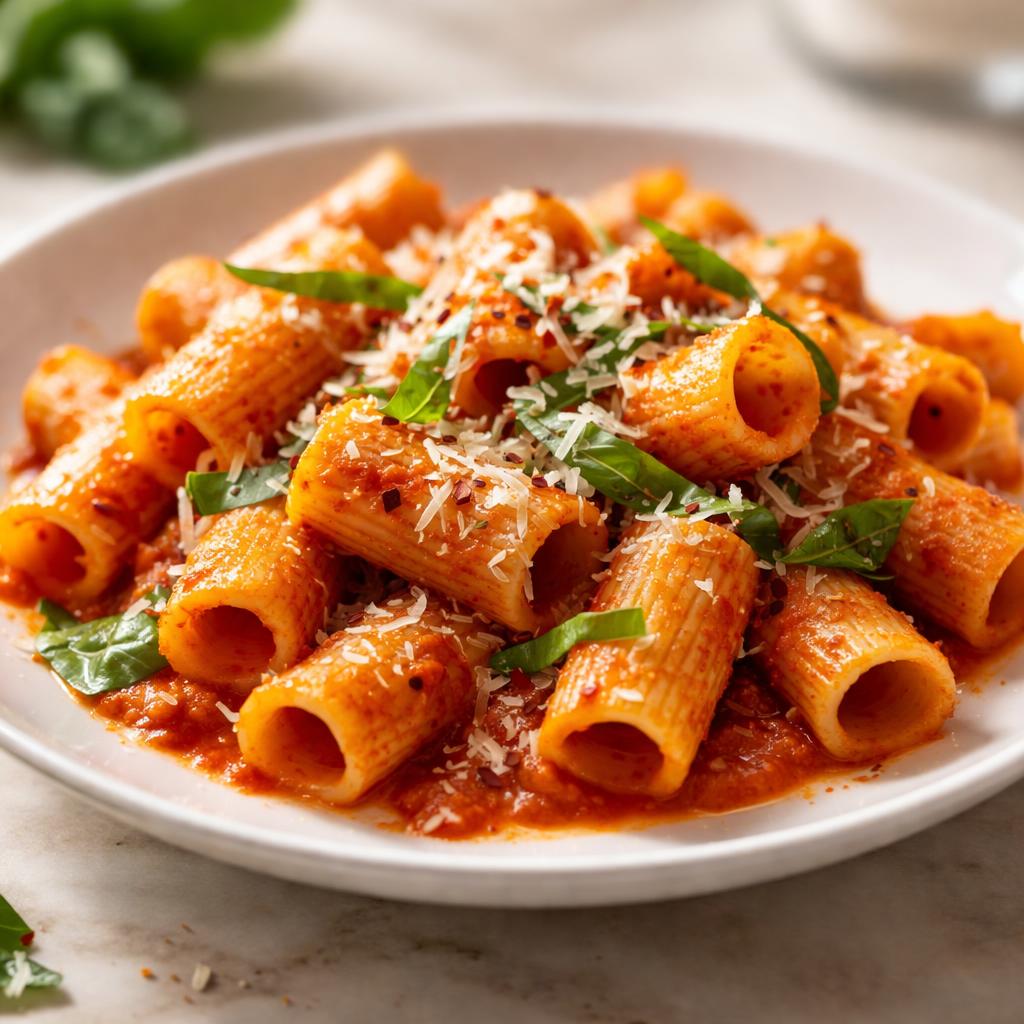
Rigatoni Pasta
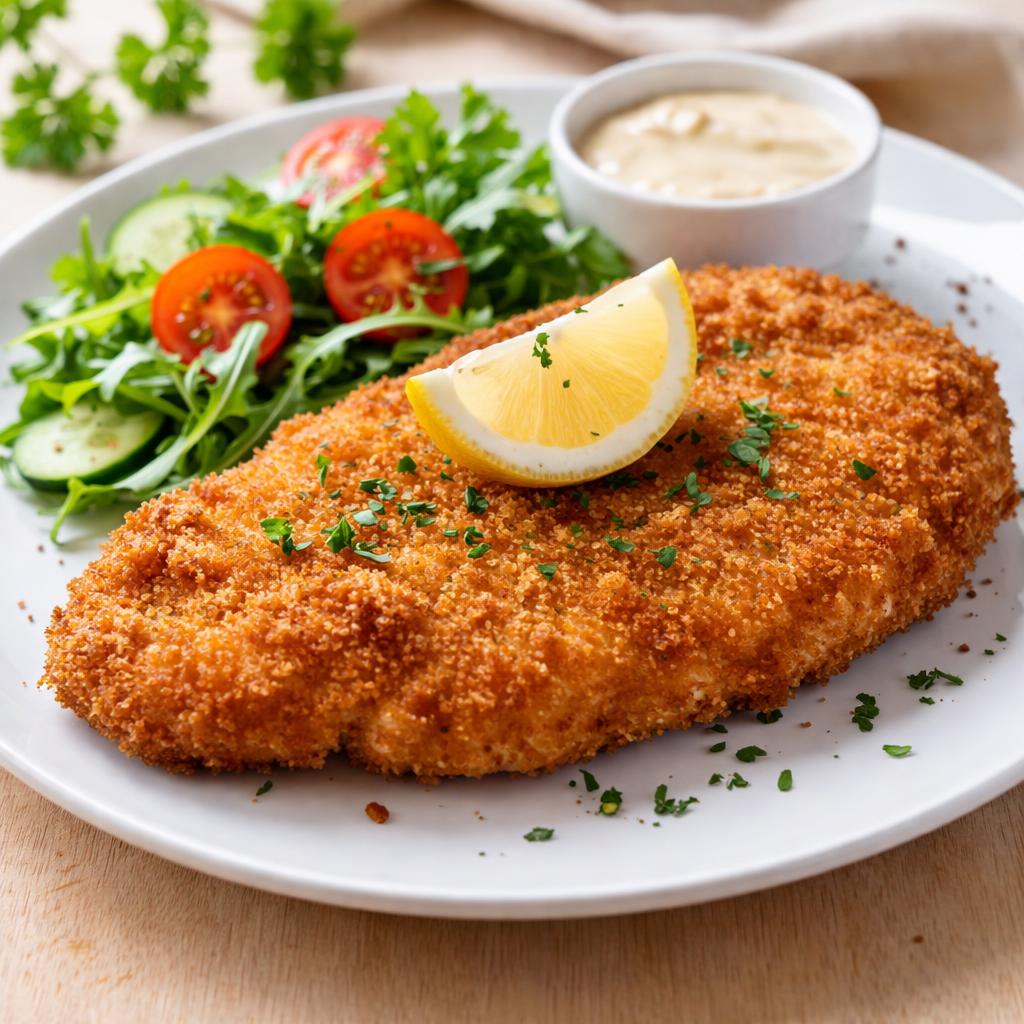
Breaded Cutlet
🎯 Quick Verdict
Breaded cutlet is higher in protein (22g vs 8g per serving) and provides more overall nutrient density, but rigatoni pasta offers more fiber (6g vs 2g) and fewer calories (200 vs 350 per serving). Breaded cutlet is ideal for protein-rich meals, while rigatoni works well in lighter, energy-focused pasta dishes without overwhelming calorie load.

Smart Nutrition Tracking with SnapCalorie

📊 Nutritional Comparison
Macronutrients
| Nutrient | Food 1 | Food 2 | Winner |
|---|---|---|---|
| Calories | 200 | 350 | ✓ |
| Protein | 8g | 22g | ✓ |
| Carbs | 40g | 25g | ✓ |
| Fat | 1g | 18g | ✓ |
| Fiber | 6g | 2g | ✓ |
Vitamins & Minerals
| Nutrient | Food 1 | Food 2 | Winner |
|---|---|---|---|
| Vitamin A | 0mcg | 50mcg | ✓ |
| Calcium | 10mg | 30mg | ✓ |
| Iron | 1.5mg | 2mg | ✓ |
🏆 Category Winners
Protein
Breaded cutlet delivers 175% more protein per serving than rigatoni pasta.
Fiber
Rigatoni pasta contains 3x more fiber than breaded cutlet per serving.
Calories
Rigatoni pasta contains 150 fewer calories than breaded cutlet per serving.
🥗 Diet Compatibility
Keto
Food 1: Not Compatible
Food 2: Moderately Compatible
Food2 is low-carb relative to food1 but contains breading, making it only moderately keto-friendly.
Vegan
Food 1: Compatible
Food 2: Not Compatible
Rigatoni pasta is plant-based, but breaded cutlet typically contains meat.
Gluten Free
Food 1: Not Compatible
Food 2: Not Compatible
Both contain gluten due to wheat-based components.
Paleo
Food 1: Not Compatible
Food 2: Not Compatible
Neither food adheres to paleo principles due to processed ingredients.
Low Carb
Food 1: Not Compatible
Food 2: Compatible
Breaded cutlet is lower in carbs and higher in protein, making it suitable for low-carb diets.
💪 Health Benefits Comparison
Food 1 Benefits
- Provides sustained energy from complex carbohydrates
- High in fiber for digestive health
- Low-fat option suitable for heart-healthy diets
Food 2 Benefits
- Excellent source of protein for muscle building and repair
- Contains healthy fats for energy and cell function
- Rich in iron and calcium for bone and blood health
✅ The Bottom Line
Rigatoni pasta is ideal for those seeking a lighter, lower-calorie meal with more fiber and energy, making it suitable for vegan or heart-healthy diets. Breaded cutlet is better for those prioritizing protein and nutrient density, especially in low-carb or balanced meals.
Choose Food 1 for: Vegan diets, high-fiber meals, energy-focused dishes
Choose Food 2 for: Muscle growth, high-protein diets, low-carb meal plans


