Rice VS Water Chestnuts
A detailed nutritional comparison
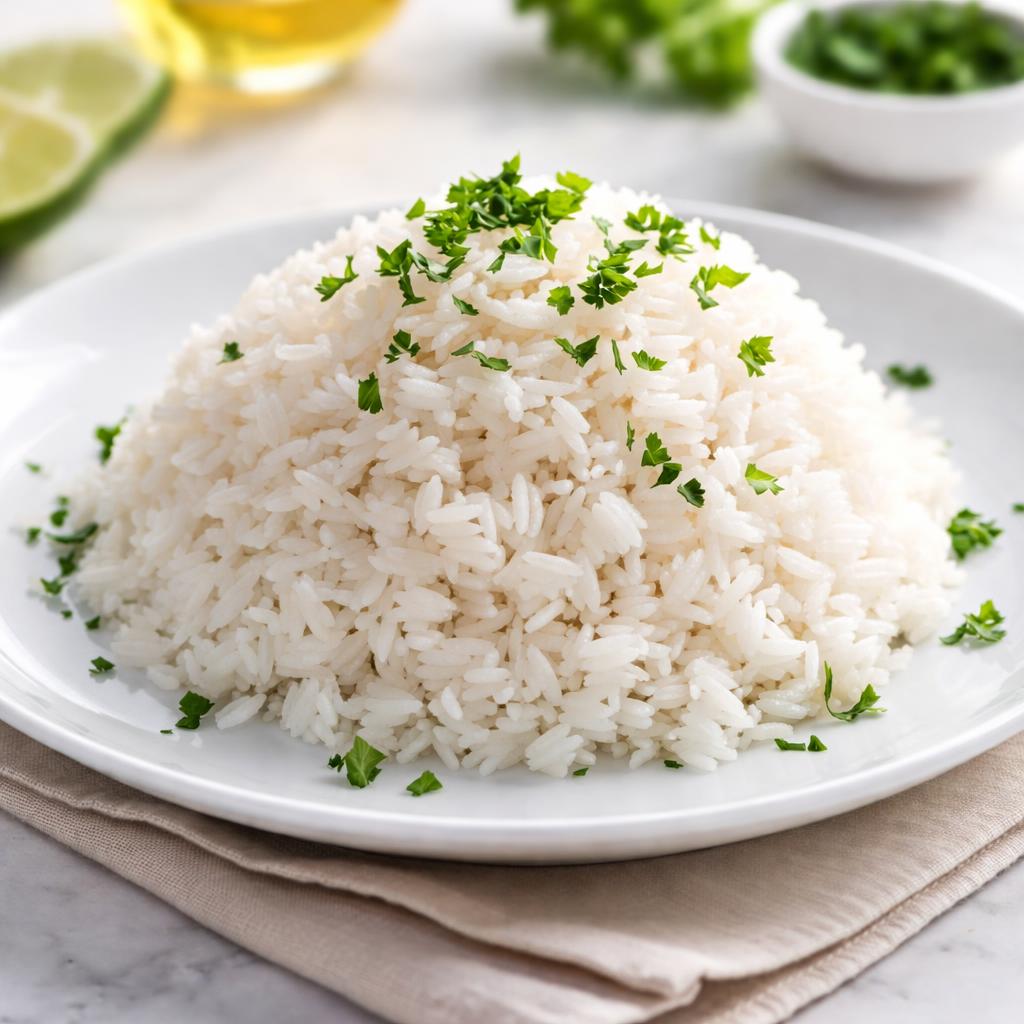
Rice
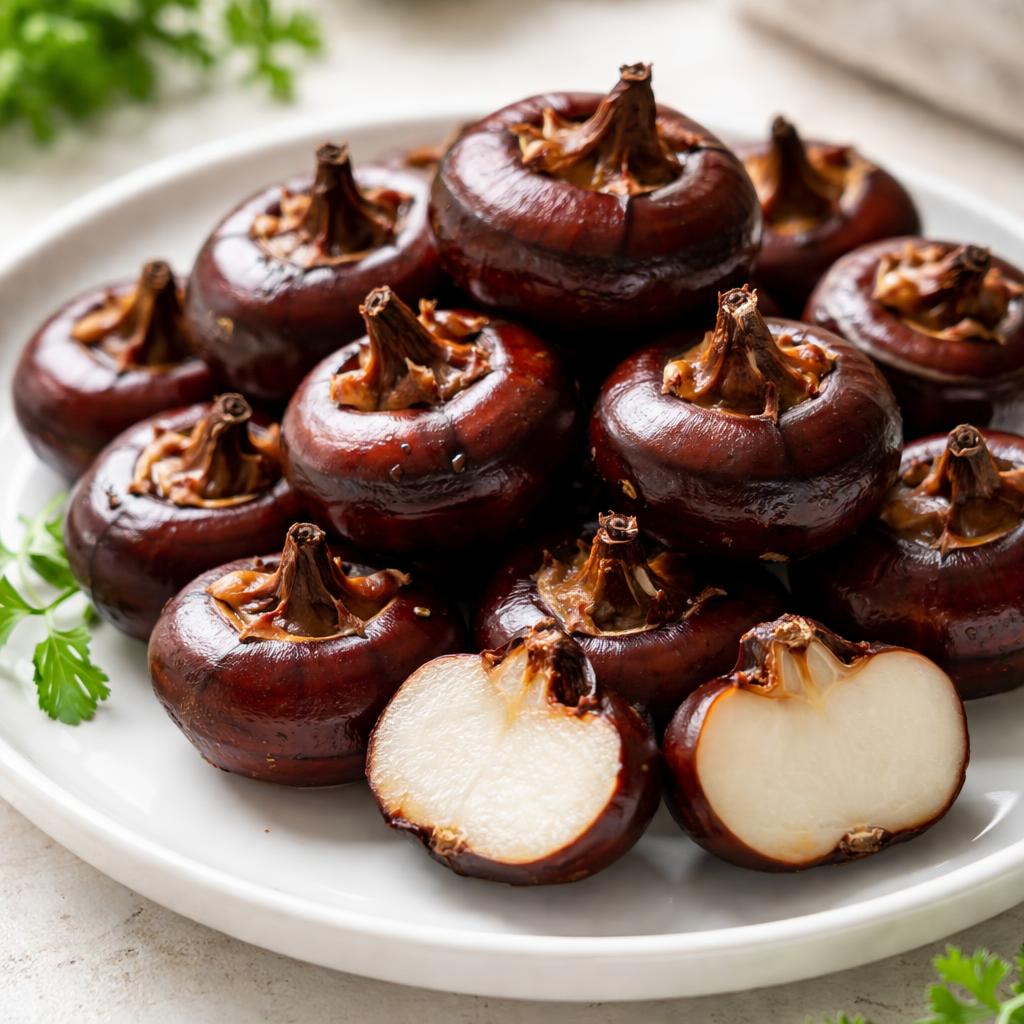
Water Chestnuts
🎯 Quick Verdict
Rice is higher in calories and carbohydrates, making it a great energy source, while water chestnuts are lower in calories, rich in fiber, and provide more vitamins and minerals per serving. Water chestnuts are better for digestive health and weight management, whereas rice may be ideal for energy replenishment or as a staple in meals.

Smart Nutrition Tracking with SnapCalorie

📊 Nutritional Comparison
Macronutrients
| Nutrient | Food 1 | Food 2 | Winner |
|---|---|---|---|
| Calories | 130 per 100g (cooked white rice) | 45 per 100g | ✓ |
| Protein | 2.7g per 100g | 0.9g per 100g | ✓ |
| Carbs | 28g per 100g | 12g per 100g | ✓ |
| Fat | 0.3g per 100g | 0.1g per 100g | ✓ |
| Fiber | 0.4g per 100g | 3g per 100g | ✓ |
Vitamins & Minerals
| Nutrient | Food 1 | Food 2 | Winner |
|---|---|---|---|
| Vitamin C | 0mg | 4mg per 100g | ✓ |
| Potassium | 35mg per 100g | 130mg per 100g | ✓ |
| Vitamin B6 | 0.05mg per 100g | 0.24mg per 100g | ✓ |
🏆 Category Winners
Protein
Rice has nearly triple the protein content of water chestnuts.
Fiber
Water chestnuts provide significantly more fiber, aiding digestion.
Calories
Water chestnuts have less than half the calories of rice, ideal for weight control.
Vitamins
Water chestnuts offer higher amounts of vitamin C, potassium, and B6 compared to rice.
🥗 Diet Compatibility
Keto
Food 1: Not Compatible
Food 2: Not Compatible
Both are high-carb foods.
Vegan
Food 1: Compatible
Food 2: Compatible
Both foods are plant-based.
Gluten Free
Food 1: Compatible
Food 2: Compatible
Neither food contains gluten.
Paleo
Food 1: Partially Compatible
Food 2: Compatible
Rice is debated in Paleo diets, but water chestnuts are acceptable.
Low-Carb
Food 1: Not Compatible
Food 2: Partially Compatible
Rice is high in carbs, while water chestnuts are lower in carbs but still not very low.
💪 Health Benefits Comparison
Food 1 Benefits
- Provides quick energy from carbs
- Low in fat
- Gluten-free carb source for those with allergies
Food 2 Benefits
- High in fiber for digestive health
- Rich in potassium for muscle function
- Contains vitamin C for immune support
- Low-calorie, nutrient-dense food for weight management
✅ The Bottom Line
Rice is better when you need a quick and versatile energy source, such as before or after intense physical activity. Water chestnuts are a healthier alternative for weight management, digestive support, and adding vitamins and minerals without excessive calories.
Choose Food 1 for: Quick energy, meal staples, carb-loading for physical activity
Choose Food 2 for: Weight-conscious diets, digestive health, nutrient density


