Rice VS Vegan Sausage
A detailed nutritional comparison

Rice
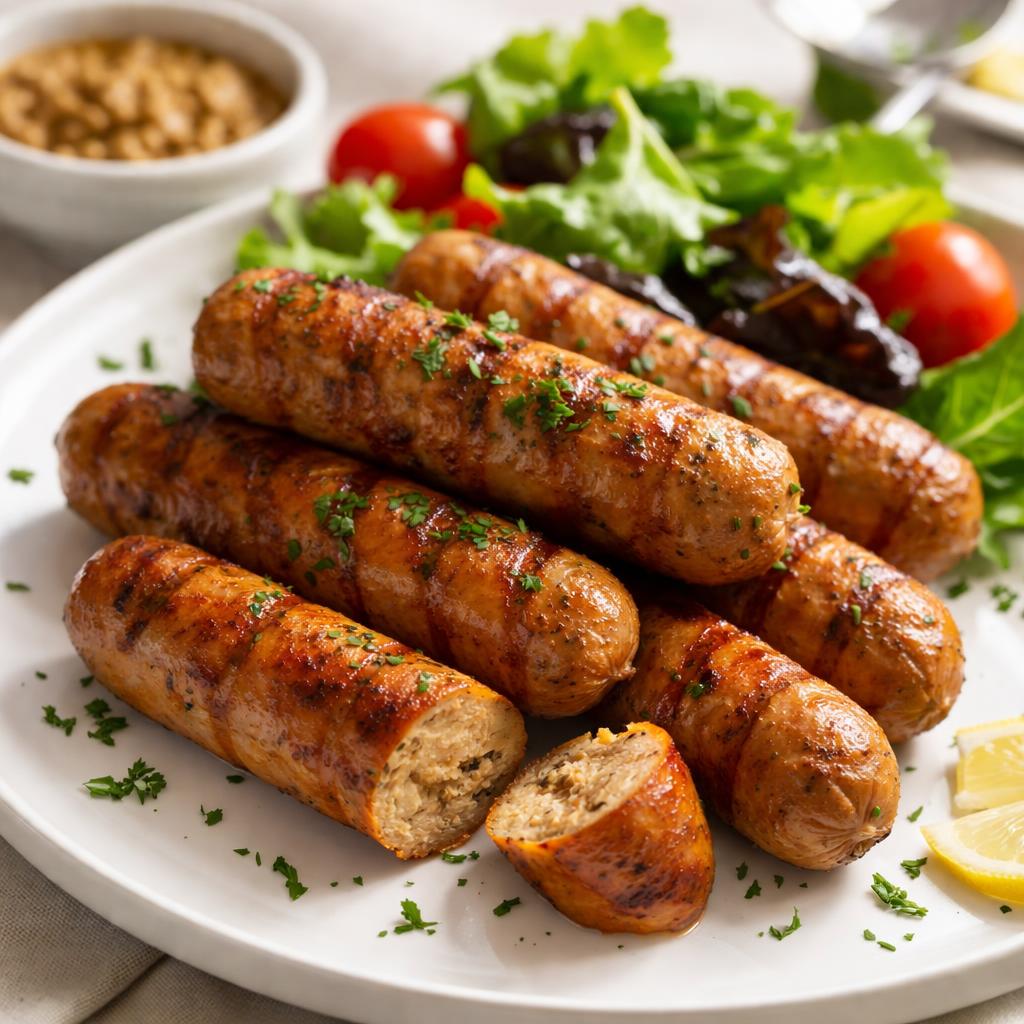
Vegan Sausage
🎯 Quick Verdict
Rice is a low-calorie, carbohydrate-rich option that is a staple for energy and simplicity. Vegan sausage provides significantly higher protein and fiber, along with a broader range of micronutrients, making it more nutrient-dense. Rice suits high-energy meals, while vegan sausage excels for protein-focused diets or heartier dishes with added flavor complexity.

Smart Nutrition Tracking with SnapCalorie

📊 Nutritional Comparison
Macronutrients
| Nutrient | Food 1 | Food 2 | Winner |
|---|---|---|---|
| Calories | 206 calories (per 1 cup cooked) | 150 calories (per 1 vegan sausage) | ✓ |
| Protein | 4.2g | 12g | ✓ |
| Carbs | 44.5g | 6g | ✓ |
| Fat | 0.4g | 10g | ✓ |
| Fiber | 0.6g | 3g | ✓ |
Vitamins & Minerals
| Nutrient | Food 1 | Food 2 | Winner |
|---|---|---|---|
| Vitamin D | 0mcg | 2mcg | ✓ |
| Calcium | 10mg | 100mg | ✓ |
| Iron | 0.3mg | 2mg | ✓ |
🏆 Category Winners
Protein
Vegan sausage contains 3x the protein compared to rice (12g vs 4.2g).
Fiber
Vegan sausage offers 3g of fiber per serving, whereas rice contributes far less (0.6g).
Calories
Although rice is slightly higher calorie, it provides sustained energy with higher carbohydrate content.
🥗 Diet Compatibility
Keto
Food 1: Not Compatible
Food 2: Compatible
Rice is high-carb, while vegan sausage is low-carb (6g per serving).
Vegan
Food 1: Compatible
Food 2: Compatible
Both are plant-based options suitable for a vegan diet.
Gluten Free
Food 1: Compatible
Food 2: Compatible
Neither contains gluten.
Paleo
Food 1: Not Compatible
Food 2: Not Compatible
Rice is a grain and vegan sausage typically contains processed ingredients not suitable for paleo diets.
Low Carb
Food 1: Not Compatible
Food 2: Compatible
Rice is carb-heavy (44.5g per cup), while vegan sausage is low-carb.
💪 Health Benefits Comparison
Food 1 Benefits
- Rich in carbohydrates for sustained energy
- Naturally gluten-free, making it suitable for sensitive diets
- Low in fat, ideal for calorie-conscious individuals
Food 2 Benefits
- High protein content supports muscle growth and repair
- Good source of dietary fiber for digestion
- Contains added vitamins and minerals, such as iron and calcium
✅ The Bottom Line
Choose rice when seeking a simple, energy-rich carbohydrate base for meals like stir-fries or curries. Opt for vegan sausage when prioritizing protein, fiber, and nutrient density, especially for higher-protein diets or more robust vegan meals.
Choose Food 1 for: High-energy meals, gluten-free diets, simplistic meal bases
Choose Food 2 for: Protein boost, low-carb diets, versatile plant-based protein source


