Rice VS Turmeric
A detailed nutritional comparison
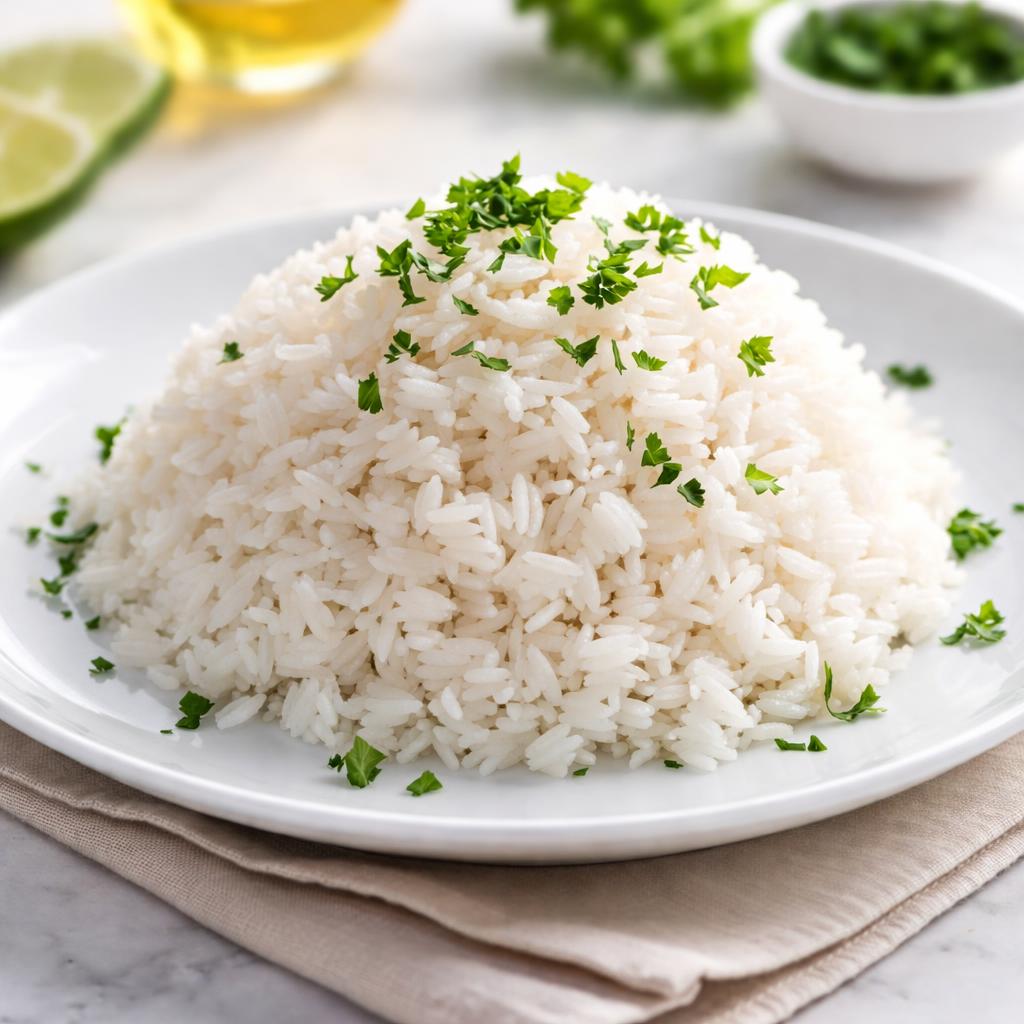
Rice
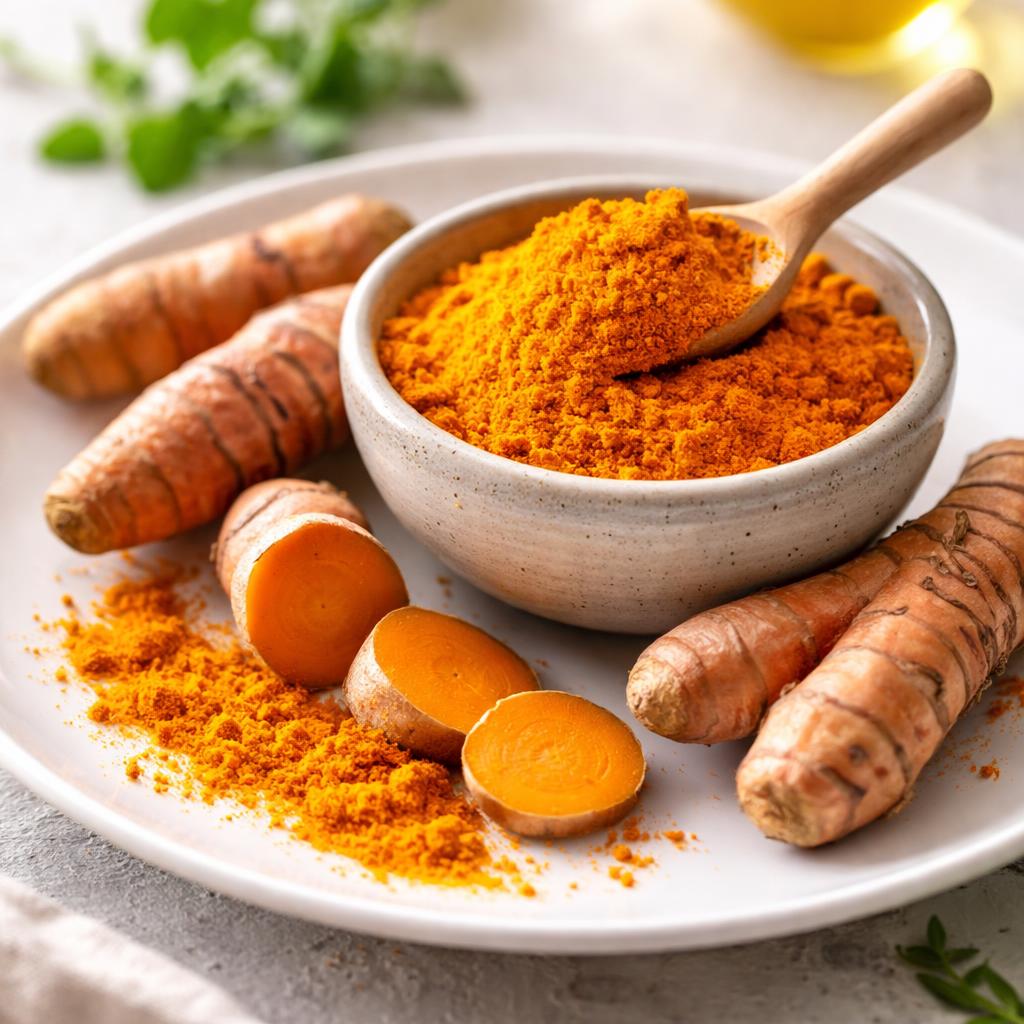
Turmeric
🎯 Quick Verdict
Rice and turmeric serve very different dietary purposes. Rice is a carbohydrate-rich staple while turmeric is a nutrient-dense spice known for its antioxidants and anti-inflammatory properties. Each has distinct benefits depending on usage: rice for energy and turmeric for health enhancement.

Smart Nutrition Tracking with SnapCalorie

📊 Nutritional Comparison
Macronutrients
| Nutrient | Food 1 | Food 2 | Winner |
|---|---|---|---|
| Calories | 130 per 1 cup cooked | 30 per tablespoon | ✓ |
| Protein | 2.7g per 1 cup cooked | 1g per tablespoon | − |
| Carbs | 28.2g per 1 cup cooked | 6g per tablespoon | ✓ |
| Fat | 0.3g per 1 cup cooked | 0.2g per tablespoon | − |
| Fiber | 0.4g per 1 cup cooked | 2.1g per tablespoon | ✓ |
Vitamins & Minerals
| Nutrient | Food 1 | Food 2 | Winner |
|---|---|---|---|
| Vitamin C | 0mg | 2mg per tablespoon | ✓ |
| Vitamin B6 | 0.06mg per 1 cup cooked | 0.1mg per tablespoon | ✓ |
| Iron | 0.2mg per 1 cup cooked | 3.92mg per tablespoon | ✓ |
🏆 Category Winners
Protein
Both foods provide very low amounts of protein per serving.
Fiber
Turmeric has 2.1 grams of fiber per tablespoon, compared to rice's 0.4 grams per cup.
Calories
Turmeric is much lower in calories with 30 per tablespoon vs 130 in 1 cup of cooked rice.
Vitamins
Turmeric contains higher amounts of vitamin C, vitamin B6, and iron compared to rice.
🥗 Diet Compatibility
Keto
Food 1: Not Compatible
Food 2: Compatible
Rice is high-carb (28.2g per cup), while turmeric is low-carb (6g per tablespoon).
Vegan
Food 1: Compatible
Food 2: Compatible
Both are plant-based and fit vegan diets easily.
Gluten Free
Food 1: Compatible
Food 2: Compatible
Neither food contains gluten, safe for celiac disease.
Paleo
Food 1: Not Compatible
Food 2: Compatible
Rice is a grain and not paleo-compliant; turmeric is allowed in paleo diets.
Low-Carb
Food 1: Not Compatible
Food 2: Compatible
Turmeric is much lower in carbs per serving than rice, making it suitable for low-carb diets.
💪 Health Benefits Comparison
Food 1 Benefits
- Provides a quick source of energy due to high carbohydrate content
- Easy to digest and gentle on the stomach
- Low fat and can be incorporated into weight management diets
Food 2 Benefits
- Rich in antioxidants that support cell protection
- Anti-inflammatory properties may aid in reducing joint pain and boosting recovery
- Contains iron which is essential for red blood cell production
✅ The Bottom Line
Rice is ideal as a high-energy carbohydrate staple for meals, particularly for active individuals or post-workout recovery. Turmeric, while not a calorie or macronutrient source, offers distinct health-enhancing properties like antioxidants and anti-inflammatory effects. Use rice for energy; choose turmeric for its health benefits.
Choose Food 1 for: Energy source, post-workout meals, soothing digestion
Choose Food 2 for: Anti-inflammatory diets, boosting antioxidant intake, nutrient enhancement


