Rice VS Sweet Potatoes
A detailed nutritional comparison
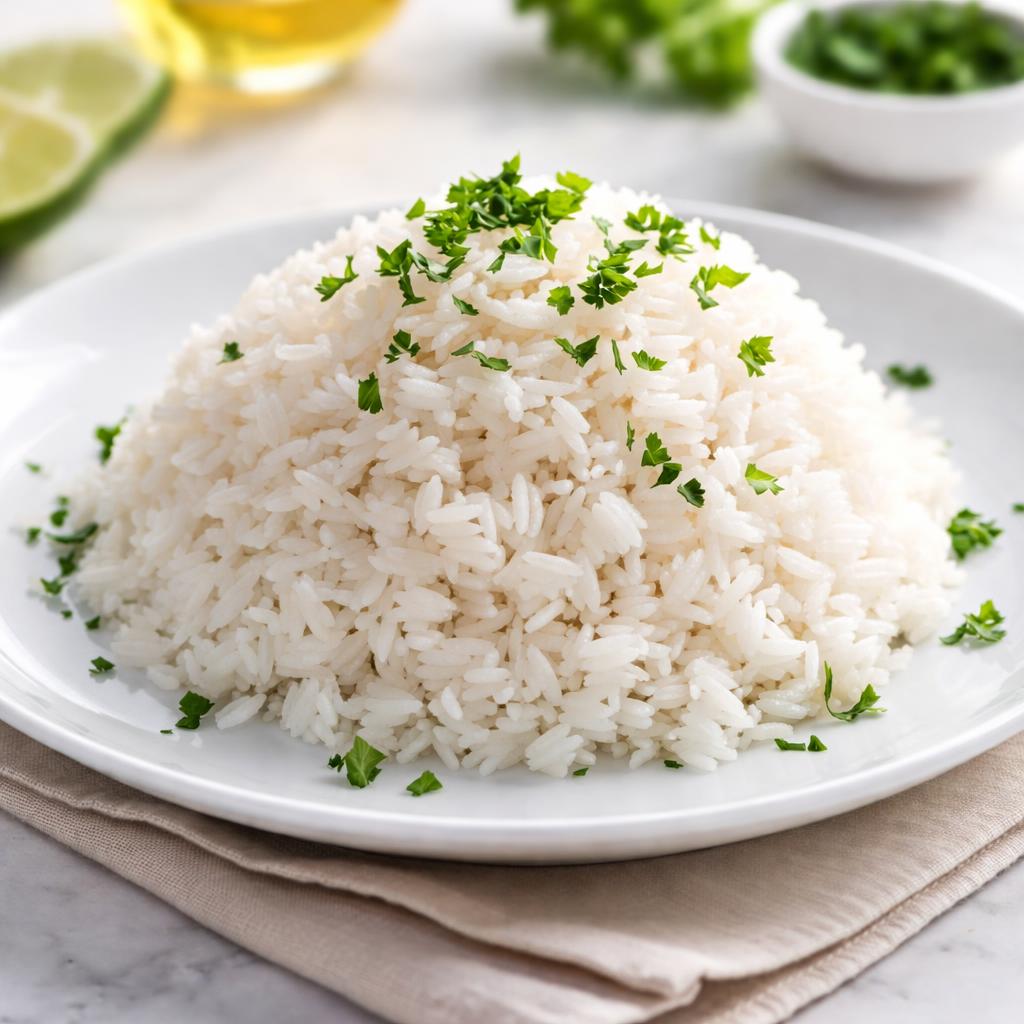
Rice
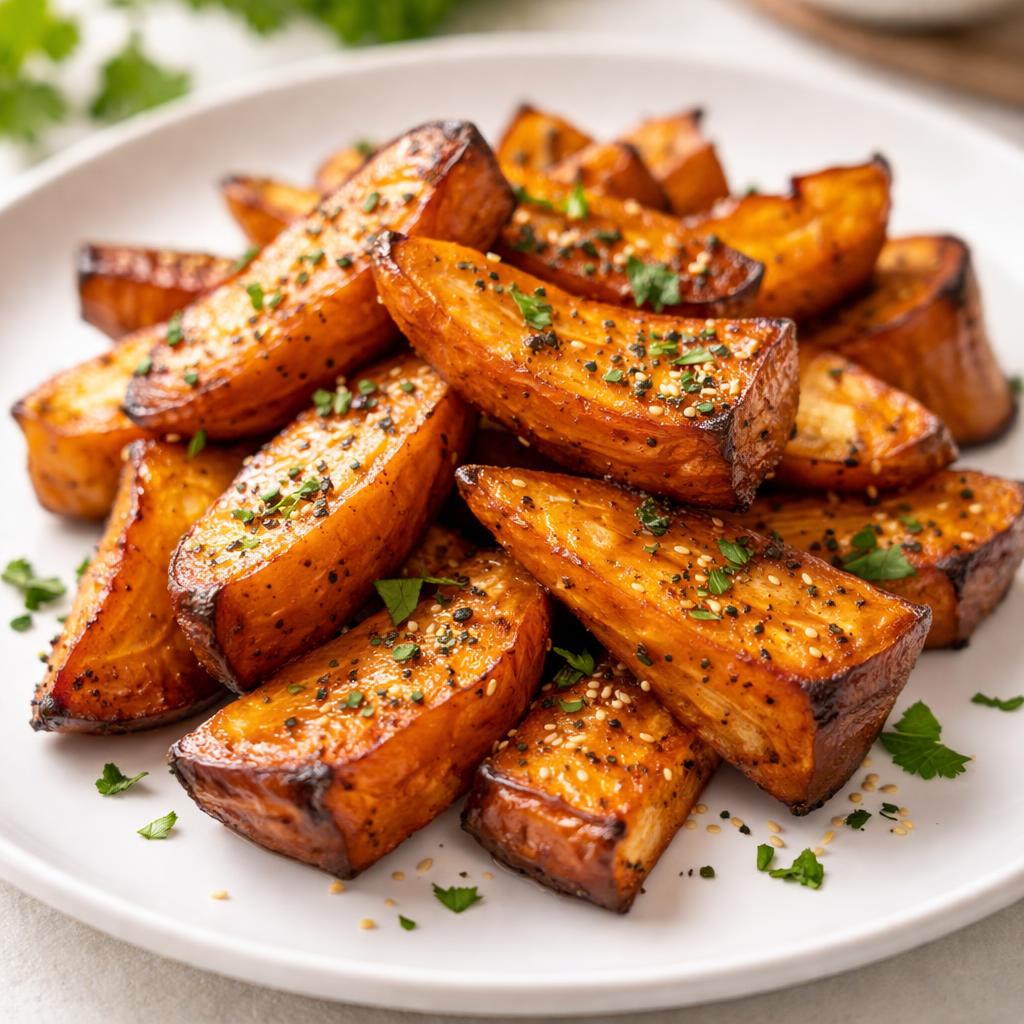
Sweet Potatoes
🎯 Quick Verdict
Rice and sweet potatoes are staples in many diets but differ in their nutritional profile. Rice is lower in calories and contains more protein, making it ideal for calorie-conscious and protein-focused diets. Sweet potatoes, on the other hand, are higher in fiber and rich in vitamins like vitamin A, making them better for digestion and overall nutrient density.

Smart Nutrition Tracking with SnapCalorie

📊 Nutritional Comparison
Macronutrients
| Nutrient | Food 1 | Food 2 | Winner |
|---|---|---|---|
| Calories | 130 | 86 | ✓ |
| Protein | 2.7g | 1.6g | ✓ |
| Carbs | 28.2g | 20.1g | ✓ |
| Fat | 0.3g | 0.1g | ✓ |
| Fiber | 0.4g | 3g | ✓ |
Vitamins & Minerals
| Nutrient | Food 1 | Food 2 | Winner |
|---|---|---|---|
| Vitamin A | 0 IU | 19218 IU | ✓ |
| Vitamin C | 0mg | 2.4mg | ✓ |
| Calcium | 10mg | 30mg | ✓ |
| Iron | 0.2mg | 0.6mg | ✓ |
🏆 Category Winners
Protein
Rice contains almost twice the protein content per serving compared to sweet potatoes.
Fiber
Sweet potatoes provide significantly more dietary fiber, supporting digestion and gut health.
Calories
Sweet potatoes are lower in calories, making them suitable for weight management.
Vitamins
Sweet potatoes are rich in vitamin A and vitamin C, which rice lacks entirely.
🥗 Diet Compatibility
Keto
Food 1: Not Compatible
Food 2: Not Compatible
Both are high in carbohydrates and unsuitable for keto diets.
Vegan
Food 1: Compatible
Food 2: Compatible
Both are plant-based and fit well into vegan diets.
Gluten Free
Food 1: Compatible
Food 2: Compatible
Neither rice nor sweet potatoes contain gluten.
Paleo
Food 1: Compatible
Food 2: Compatible
Both foods align with paleo diet principles.
Low Carb
Food 1: Not Compatible
Food 2: Not Compatible
Both foods contain high carbohydrate content, making them less suitable for low-carb diets.
💪 Health Benefits Comparison
Food 1 Benefits
- Low in fat for heart health
- Good source of quick-digesting carbs for immediate energy
- Moderate protein for muscle repair
Food 2 Benefits
- Rich in vitamin A to support eye health
- High fiber content improves digestion
- Contains antioxidants for reducing inflammation
- Low in calories, aiding weight management
✅ The Bottom Line
Rice and sweet potatoes both have key benefits depending on dietary goals. Rice is better for those prioritizing protein intake and seeking a lower-calorie starch source for energy. Sweet potatoes are more nutrient-dense and are ideal for fiber and vitamin needs. Both foods can complement a balanced diet well.
Choose Food 1 for: Quick energy needs, post-workout carbs, calorie-conscious diets
Choose Food 2 for: Digestive health, vitamin A intake, weight management


