Rice VS Sweet Potato
A detailed nutritional comparison
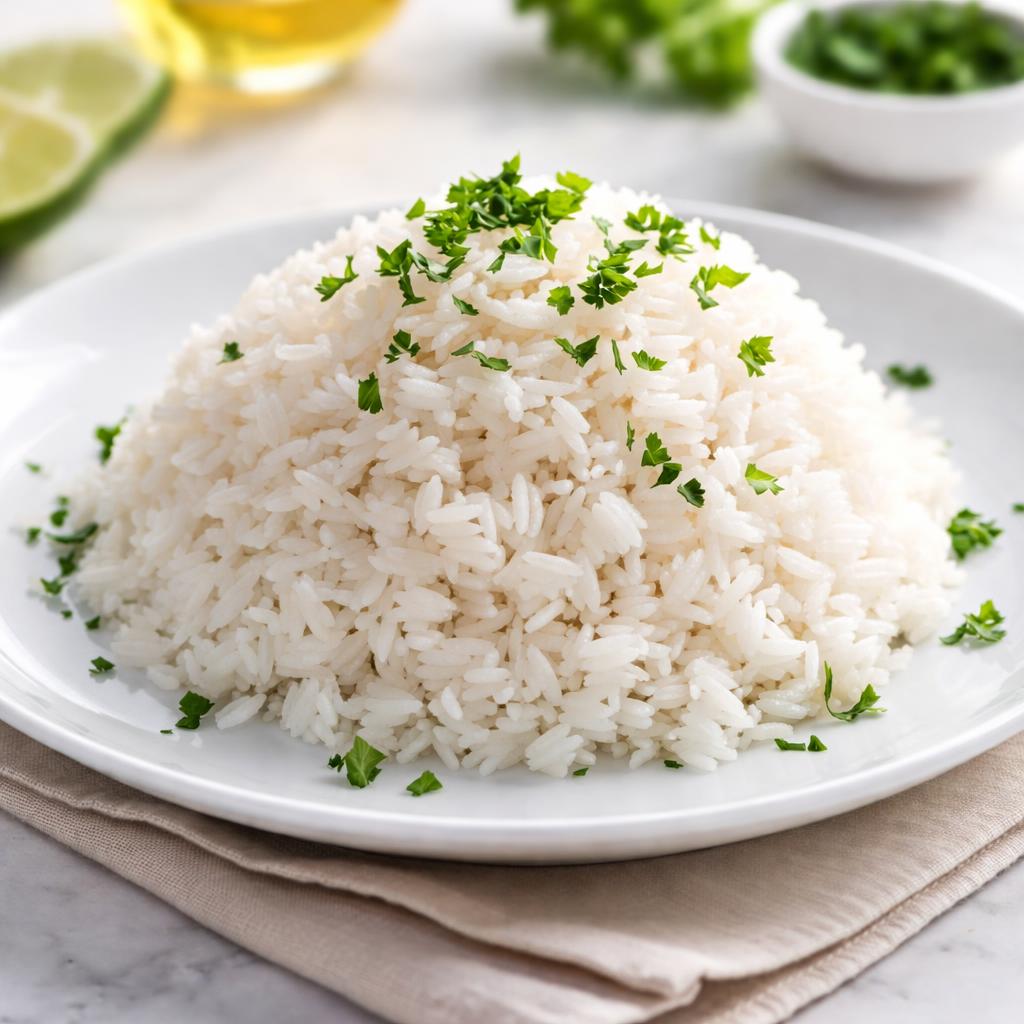
Rice
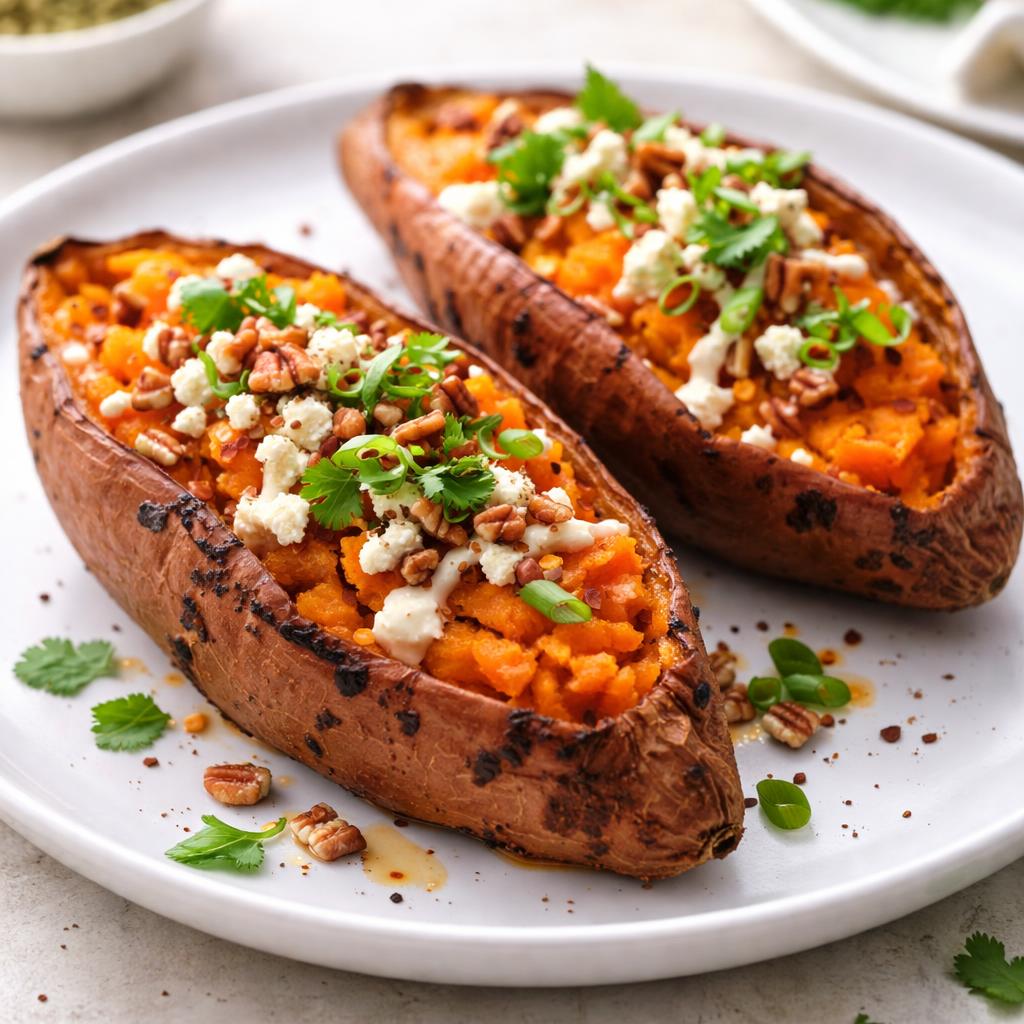
Sweet Potato
🎯 Quick Verdict
Sweet potato edges out rice due to its higher fiber content, richer nutrient profile, and antioxidant benefits. Rice, however, offers lower calories per serving and is a better fit for low-fiber diets or quicker energy boosts. Choose sweet potato for sustained energy and more vitamins; opt for rice for its versatility and simplicity in meals.

Smart Nutrition Tracking with SnapCalorie

📊 Nutritional Comparison
Macronutrients
| Nutrient | Food 1 | Food 2 | Winner |
|---|---|---|---|
| Calories | 130 per 1 cup cooked | 105 per 1 cup cooked | − |
| Protein | 2.7g | 2.0g | − |
| Carbs | 28g | 24g | − |
| Fat | 0.3g | 0.1g | − |
| Fiber | 0.4g | 4g | − |
Vitamins & Minerals
| Nutrient | Food 1 | Food 2 | Winner |
|---|---|---|---|
| Vitamin A | 0 mcg | 19,218 mcg | − |
| Vitamin C | 0 mg | 22 mg | − |
| Potassium | 35 mg | 437 mg | − |
| Iron | 0.2 mg | 0.6 mg | − |
🏆 Category Winners
Protein
Both foods have similar low protein content, under 3g per serving.
Fiber
Sweet potato has 10 times more fiber than rice (4g vs 0.4g per cup).
Calories
Rice provides fewer calories per serving, making it better for calorie-controlled diets.
Vitamins
Sweet potato dominates in Vitamin A, Vitamin C, and potassium.
🥗 Diet Compatibility
Keto
Food 1: Not Compatible
Food 2: Not Compatible
Both are high-carb foods, not suitable for ketogenic diets.
Vegan
Food 1: Compatible
Food 2: Compatible
Both are plant-based and align with vegan dietary preferences.
Gluten Free
Food 1: Compatible
Food 2: Compatible
Neither contains gluten and both are safe for gluten-intolerant individuals.
Paleo
Food 1: Not Compatible
Food 2: Compatible
Rice is excluded from paleo diets while sweet potato is embraced for its whole food nature.
Low-Carb
Food 1: Not Compatible
Food 2: Not Compatible
Both foods are high-carb and do not fit into low-carb diets.
💪 Health Benefits Comparison
Food 1 Benefits
- Provides quick digestible energy, great for pre-workout fuel
- Low in fat and excellent for calorie-controlled diets
- Versatile and mild in flavor, pairs well with many dishes
Food 2 Benefits
- High in fiber, promoting digestion and satiety
- Rich in Vitamin A for eye health and immunity
- Excellent source of antioxidants, which combat oxidative stress
- Good potassium content supports heart and muscle function
✅ The Bottom Line
Sweet potato is ideal for individuals seeking a nutrient-dense carb source with more fiber, vitamins, and antioxidants. Rice is a better choice for those seeking a low-calorie, easily digestible, and neutral carb base for meals.
Choose Food 1 for: Quick energy, calorie control, side dish versatility
Choose Food 2 for: Weight management, vitamin boost, paleo-friendly meals


