Rice VS Sesame
A detailed nutritional comparison
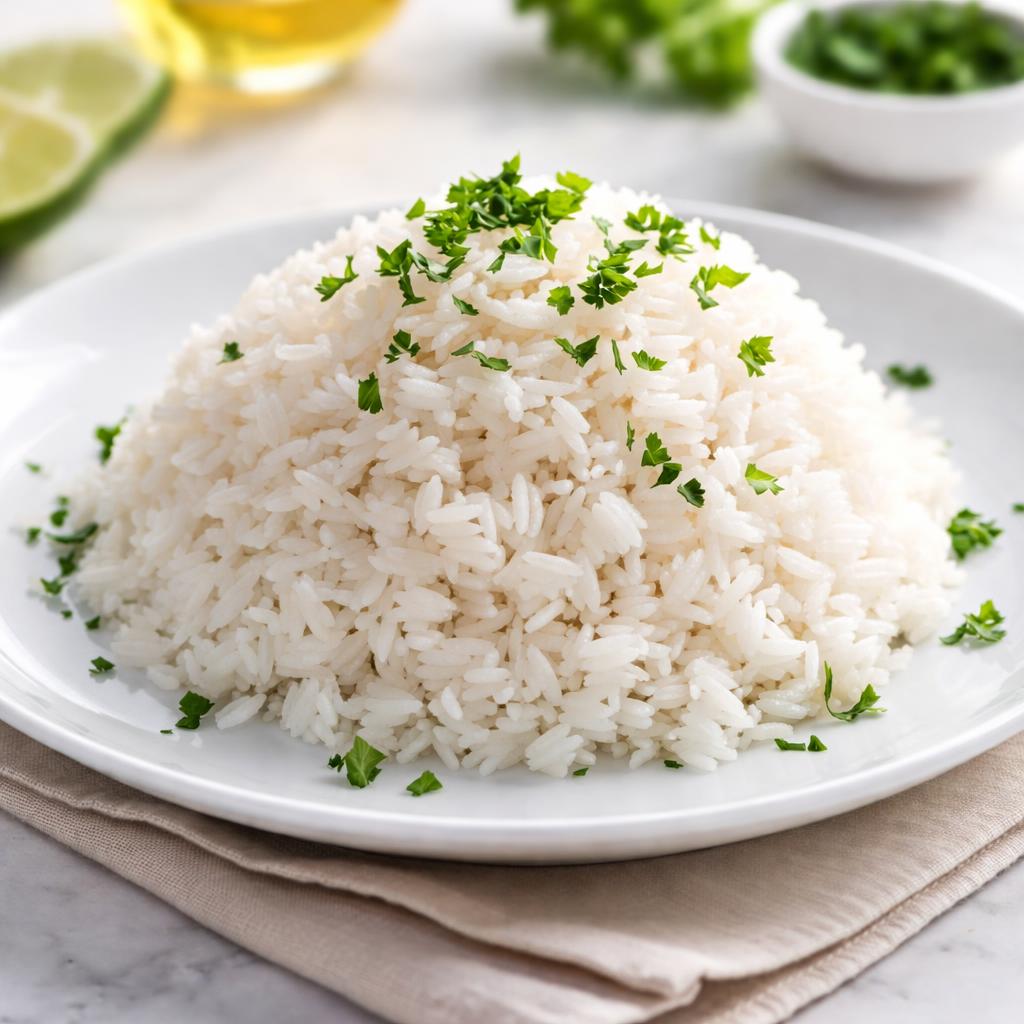
Rice
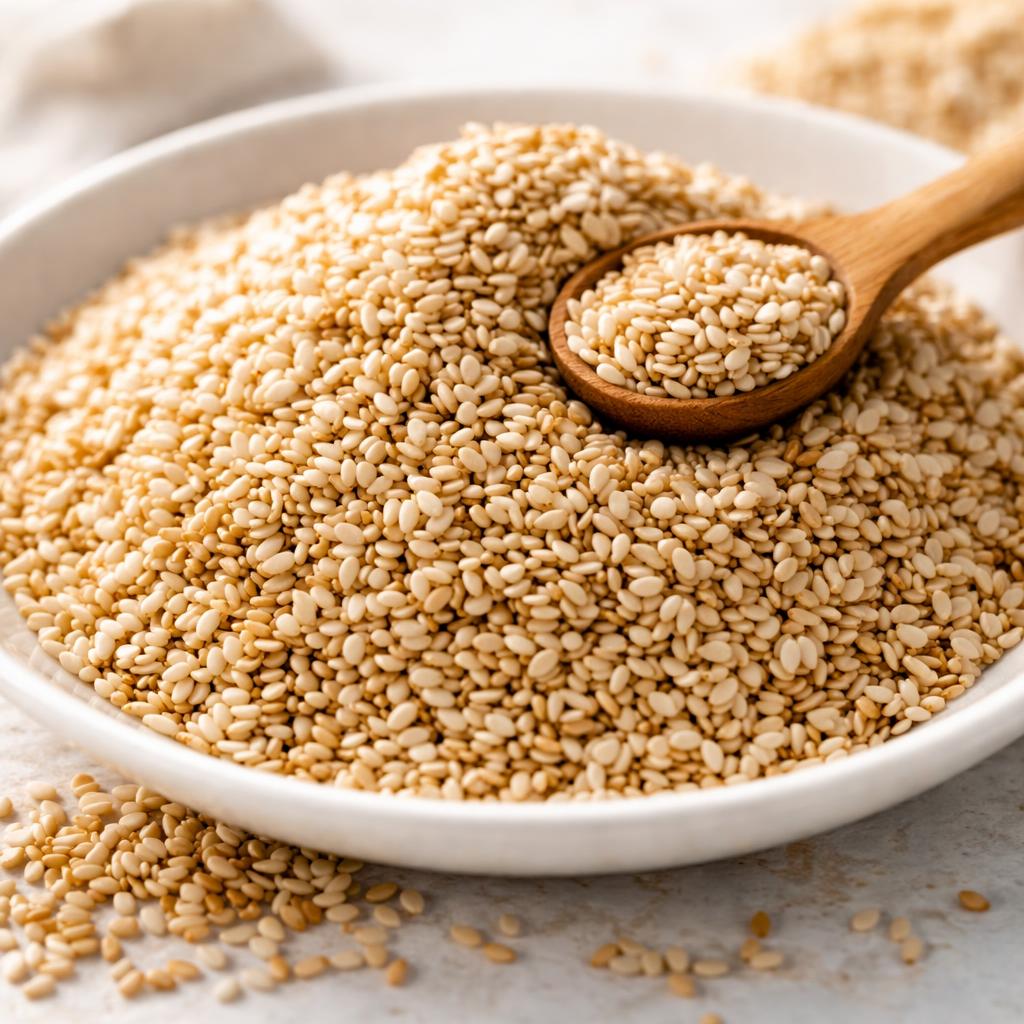
Sesame
🎯 Quick Verdict
Rice is a calorie-friendly carbohydrate source, while sesame seeds are nutrient-dense with higher levels of protein, fiber, and healthy fats. Choose rice for energy-focused meals, and sesame seeds for adding micronutrients and healthy fats to your diet.

Smart Nutrition Tracking with SnapCalorie

📊 Nutritional Comparison
Macronutrients
| Nutrient | Food 1 | Food 2 | Winner |
|---|---|---|---|
| Calories | 130 (per 100g cooked) | 573 (per 100g raw) | ✓ |
| Protein | 2.7g | 17g | ✓ |
| Carbs | 28g | 23g | ✓ |
| Fat | 0.3g | 50g | ✓ |
| Fiber | 0.4g | 12g | ✓ |
Vitamins & Minerals
| Nutrient | Food 1 | Food 2 | Winner |
|---|---|---|---|
| Vitamin D | 0 mcg | 0 mcg | − |
| Calcium | 10mg | 975mg | ✓ |
| Iron | 0.2mg | 14.6mg | ✓ |
🏆 Category Winners
Protein
Sesame seeds offer significantly more protein, ideal for muscle repair and maintenance.
Fiber
Sesame seeds contain substantially more fiber, aiding digestion and gut health.
Calories
Rice is much lower in calories, making it suitable for calorie-conscious diets.
Vitamins
Sesame seeds are richer in micronutrients like iron and calcium compared to rice.
🥗 Diet Compatibility
Keto
Food 1: Not Compatible
Food 2: Compatible
Sesame seeds are high in fats and low in carbs, suitable for keto.
Vegan
Food 1: Compatible
Food 2: Compatible
Both foods are plant-based and vegan-friendly.
Gluten Free
Food 1: Compatible
Food 2: Compatible
Both rice and sesame seeds are naturally gluten-free.
Paleo
Food 1: Not Compatible
Food 2: Compatible
Sesame seeds align with the paleo diet, but rice is excluded.
Low Carb
Food 1: Not Compatible
Food 2: Compatible
Rice is carbohydrate-dense, whereas sesame seeds are low-carb.
💪 Health Benefits Comparison
Food 1 Benefits
- Provides sustained energy due to its carbohydrate content
- Low in fat, suitable for low-fat diets
- Easy to digest, making it great for sensitive stomachs
Food 2 Benefits
- Rich in healthy unsaturated fats for heart health
- Excellent source of calcium for bone strength
- Packed with antioxidants to reduce inflammation
- High in fiber for improved digestion
✅ The Bottom Line
Choose rice for a low-calorie, energy-focused meal or when you want a neutral base for dishes. Opt for sesame seeds when seeking nutrient density, healthy fats, and additional protein. Both can complement each other well in a balanced diet.
Choose Food 1 for: Calorie-conscious eating, quick energy, gentle on digestion
Choose Food 2 for: Nutrient density, heart health, and fiber-rich diets


