Rice VS Seaweed
A detailed nutritional comparison
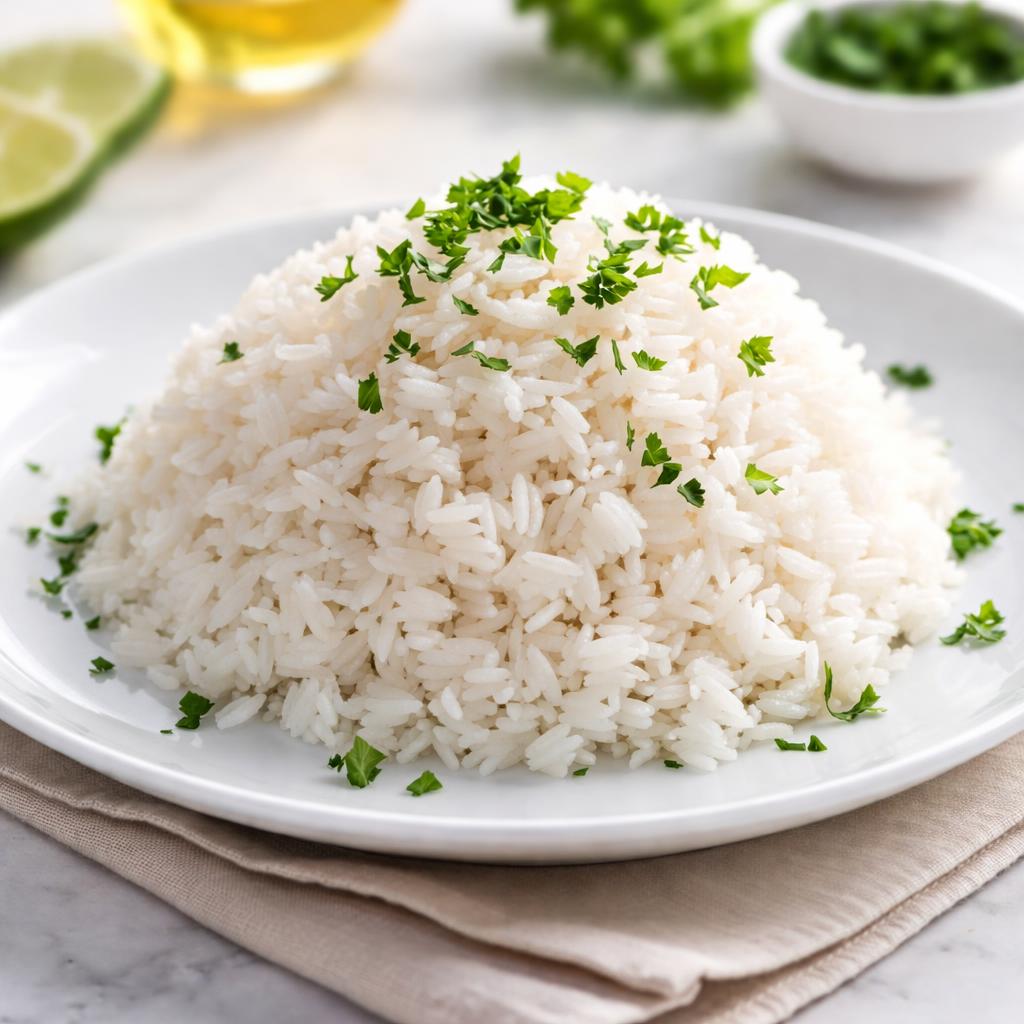
Rice
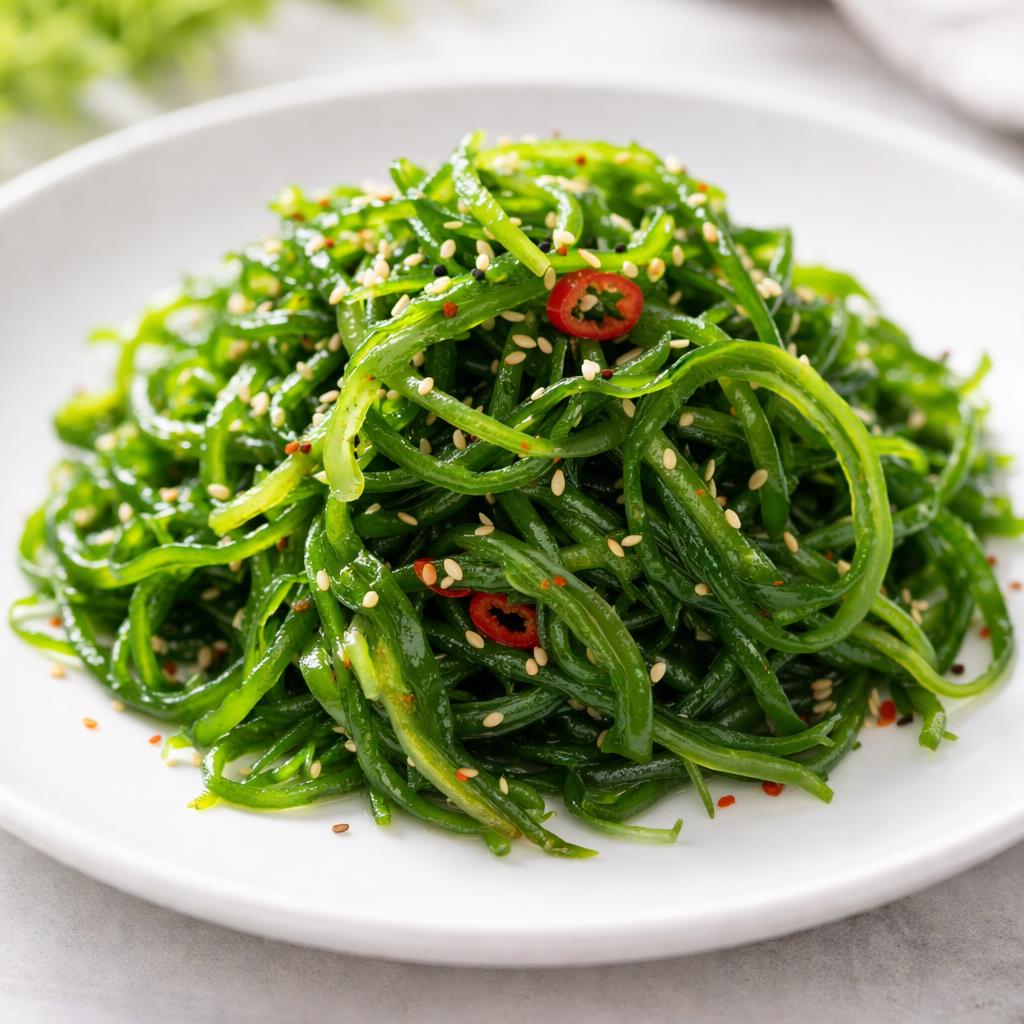
Seaweed
🎯 Quick Verdict
Seaweed outperforms rice in most categories, including protein, fiber, and calorie density, making it a nutrient-rich choice for those seeking health benefits beyond basic energy. Rice offers more carbohydrates, making it ideal for sustained energy in active lifestyles or as a versatile base for meals. Both foods are gluten-free and vegan, but seaweed aligns better with low-calorie, high-nutrient diets.

Smart Nutrition Tracking with SnapCalorie

📊 Nutritional Comparison
Macronutrients
| Nutrient | Food 1 | Food 2 | Winner |
|---|---|---|---|
| Calories | 130 per cup (cooked) | 45 per tablespoon (dried) | ✓ |
| Protein | 2.7g per cup | 1.5g per tablespoon | ✓ |
| Carbs | 28g per cup | 8g per tablespoon | ✓ |
| Fat | 0.3g per cup | 0.5g per tablespoon | ✓ |
| Fiber | 0.4g per cup | 0.8g per tablespoon | ✓ |
Vitamins & Minerals
| Nutrient | Food 1 | Food 2 | Winner |
|---|---|---|---|
| Vitamin A | 0mcg | 260mcg per tablespoon | ✓ |
| Vitamin K | 0mcg | 25mcg per tablespoon | ✓ |
| Iodine | 0mcg | 300mcg per tablespoon | ✓ |
| Iron | 0.2mg per cup | 2mg per tablespoon | ✓ |
🏆 Category Winners
Protein
Seaweed per serving provides a higher density of protein.
Fiber
Seaweed is rich in fiber compared to rice, offering double the amount per serving.
Calories
Seaweed has significantly fewer calories per serving, making it more calorie-friendly.
Vitamins
Seaweed boasts a rich profile of vitamins including Vitamin A, K, and iodine compared to rice.
🥗 Diet Compatibility
Keto
Food 1: Not Compatible
Food 2: Compatible
Seaweed is low-carb while rice is high in carbohydrates.
Vegan
Food 1: Compatible
Food 2: Compatible
Both foods are plant-based and suitable for vegans.
Gluten Free
Food 1: Compatible
Food 2: Compatible
Rice and seaweed are naturally gluten-free.
Paleo
Food 1: Compatible
Food 2: Compatible
Both foods are aligned with paleo diets as unprocessed plant-based options.
Low-Carb
Food 1: Not Compatible
Food 2: Compatible
Seaweed is much lower in carbs than rice, making it suitable for low-carb diets.
💪 Health Benefits Comparison
Food 1 Benefits
- Provides sustained energy through high carbohydrate content
- Low in fat, making it a heart-healthy choice
- Versatile base for meals due to its mild flavor and digestibility
Food 2 Benefits
- Rich in iodine which supports thyroid function
- Contains antioxidants that fight free radicals
- High in fiber for improved digestion
- Offers a variety of essential vitamins like Vitamin A and K
✅ The Bottom Line
Choose rice if you're looking for an energy-dense, versatile carbohydrate source for active lifestyles or meals needing a neutral base. Seaweed is the better option for those seeking nutrient-dense, low-calorie, low-carb options with additional health benefits like iodine and antioxidants.
Choose Food 1 for: Sustained energy, meal bases, active lifestyles
Choose Food 2 for: Thyroid health, nutrient density, low-calorie diets


