Rice VS Rice With Tomato Sauce
A detailed nutritional comparison
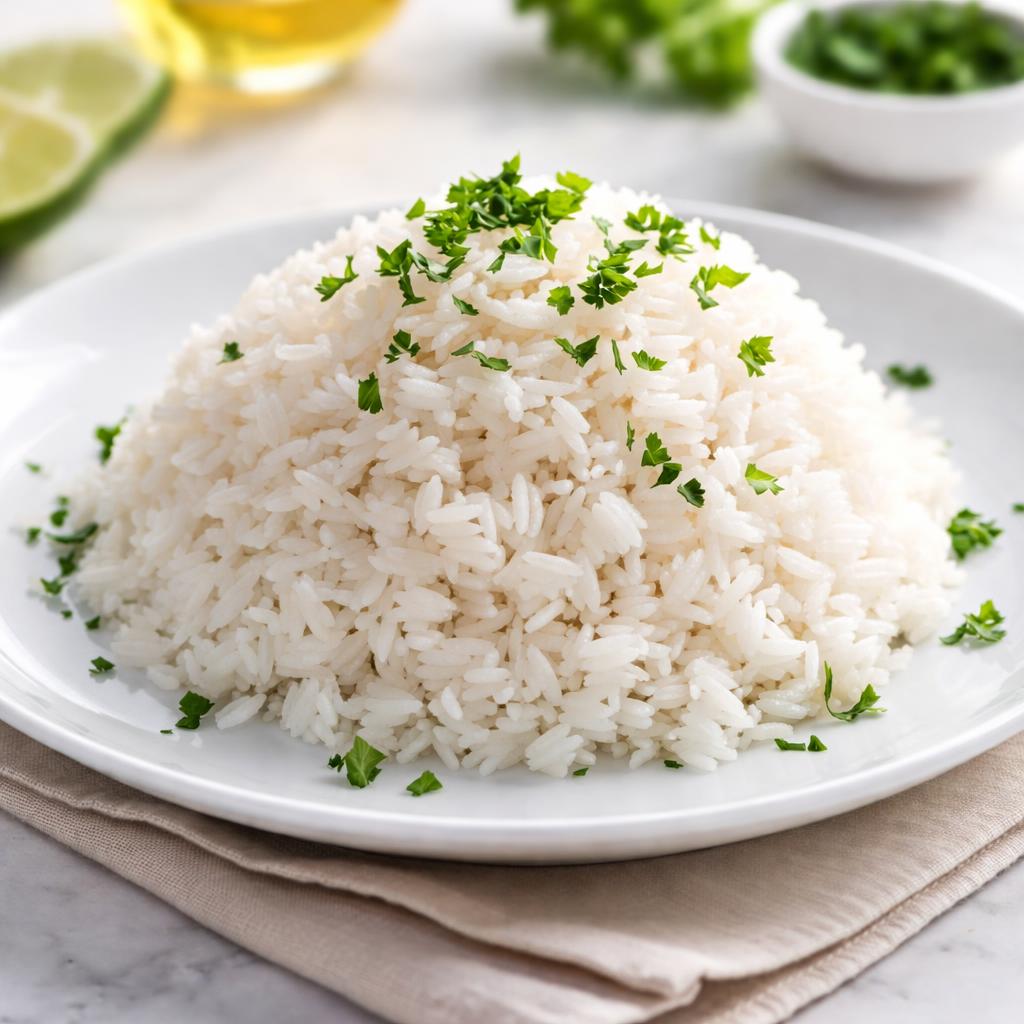
Rice
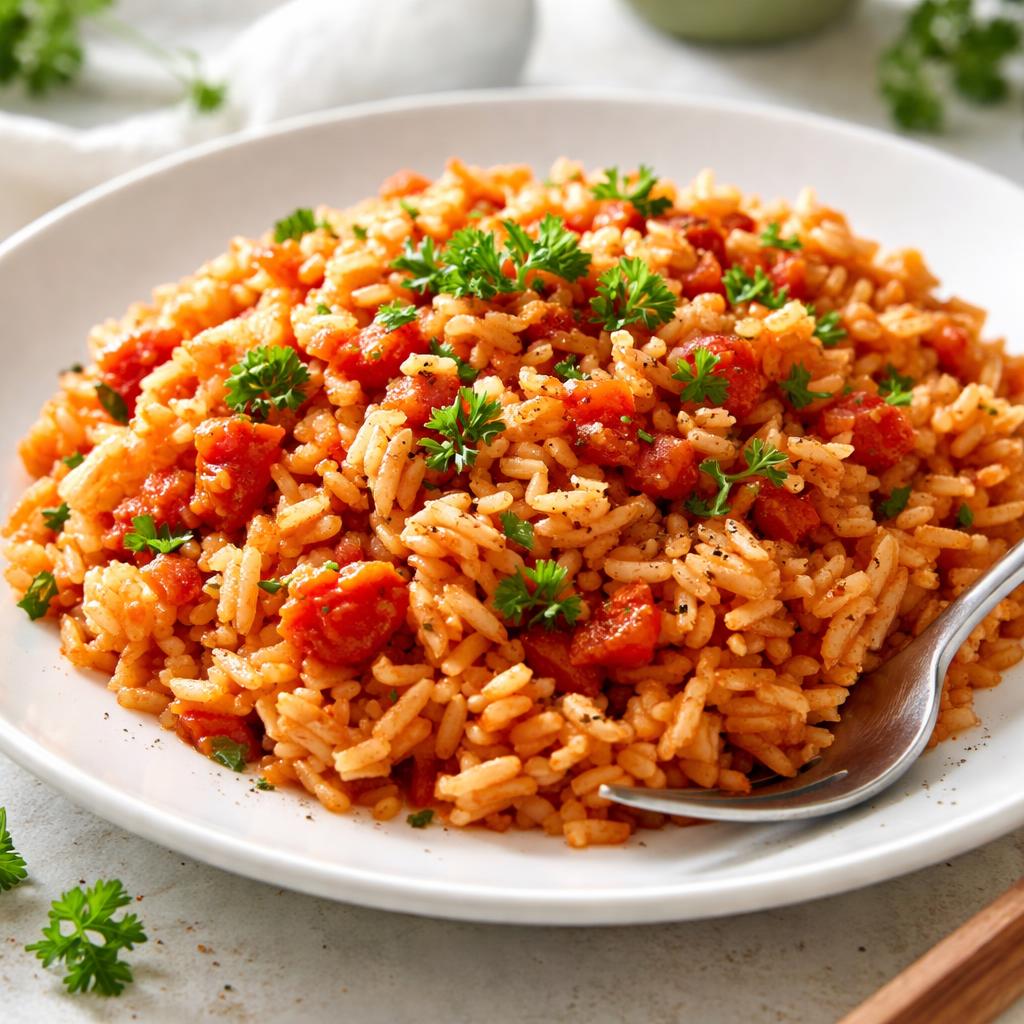
Rice With Tomato Sauce
🎯 Quick Verdict
Rice by itself is lower in calories but lacks added fiber and vitamins found in rice with tomato sauce. The addition of tomato sauce provides more antioxidants and vitamins, making food2 a more nutrient-dense choice while food1 is simpler and lower-calorie. Choose rice for more controlled calorie intake and rice with tomato sauce for better overall nutrition.

Smart Nutrition Tracking with SnapCalorie

📊 Nutritional Comparison
Macronutrients
| Nutrient | Food 1 | Food 2 | Winner |
|---|---|---|---|
| Calories | 130 (per cup) | 180 (per cup) | ✓ |
| Protein | 2.7g | 2.7g | − |
| Carbs | 28g | 33g | ✓ |
| Fat | 0.3g | 1.5g | ✓ |
| Fiber | 0.6g | 2g | ✓ |
Vitamins & Minerals
| Nutrient | Food 1 | Food 2 | Winner |
|---|---|---|---|
| Vitamin A | 0mcg | 200mcg | ✓ |
| Vitamin C | 0mg | 10mg | ✓ |
| Potassium | 35mg | 210mg | ✓ |
🏆 Category Winners
Protein
Both foods have the same protein amount (2.7g per cup).
Fiber
Rice with tomato sauce contains over three times more fiber due to tomatoes.
Calories
Plain rice is lower in calories per serving compared to rice with tomato sauce.
Vitamins
Tomato sauce provides vitamins A, C, and potassium, surpassing plain rice's nutrient profile.
🥗 Diet Compatibility
Keto
Food 1: Not Compatible
Food 2: Not Compatible
Both foods are high in carbohydrates.
Vegan
Food 1: Compatible
Food 2: Compatible
Both are plant-based and contain no animal products.
Gluten Free
Food 1: Compatible
Food 2: Compatible
Neither contains gluten.
Paleo
Food 1: Not Compatible
Food 2: Not Compatible
Rice is not compliant with the paleo diet.
Low-Carb
Food 1: Not Compatible
Food 2: Not Compatible
Both foods are high-carb, with over 25g carbs per serving.
💪 Health Benefits Comparison
Food 1 Benefits
- Low-calorie option for energy control
- Easy to digest for sensitive stomachs
- Simple carbohydrate source for quick energy
Food 2 Benefits
- Rich in antioxidants from tomato sauce
- Better fiber content for improved digestion
- Contains vitamin C for immune support
✅ The Bottom Line
Choose plain rice for low-calorie diets or when simplicity is preferred. Opt for rice with tomato sauce to boost nutrient intake, fiber, and antioxidants, which can support digestion and overall health. Each food has specific benefits depending on dietary goals.
Choose Food 1 for: Low-calorie meals, simple energy source, basic diets
Choose Food 2 for: Enhanced nutrition, digestive health, antioxidant-rich meals


