Rice VS Raisins
A detailed nutritional comparison
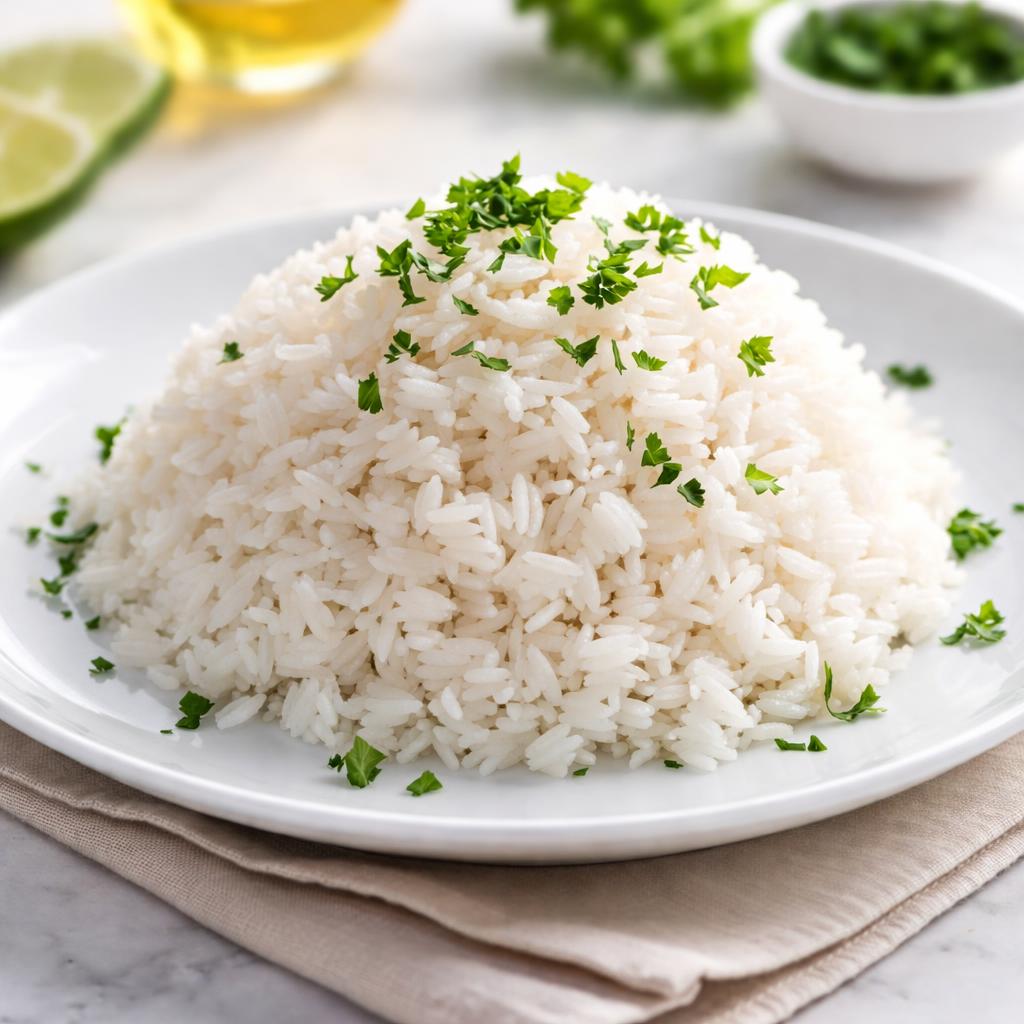
Rice
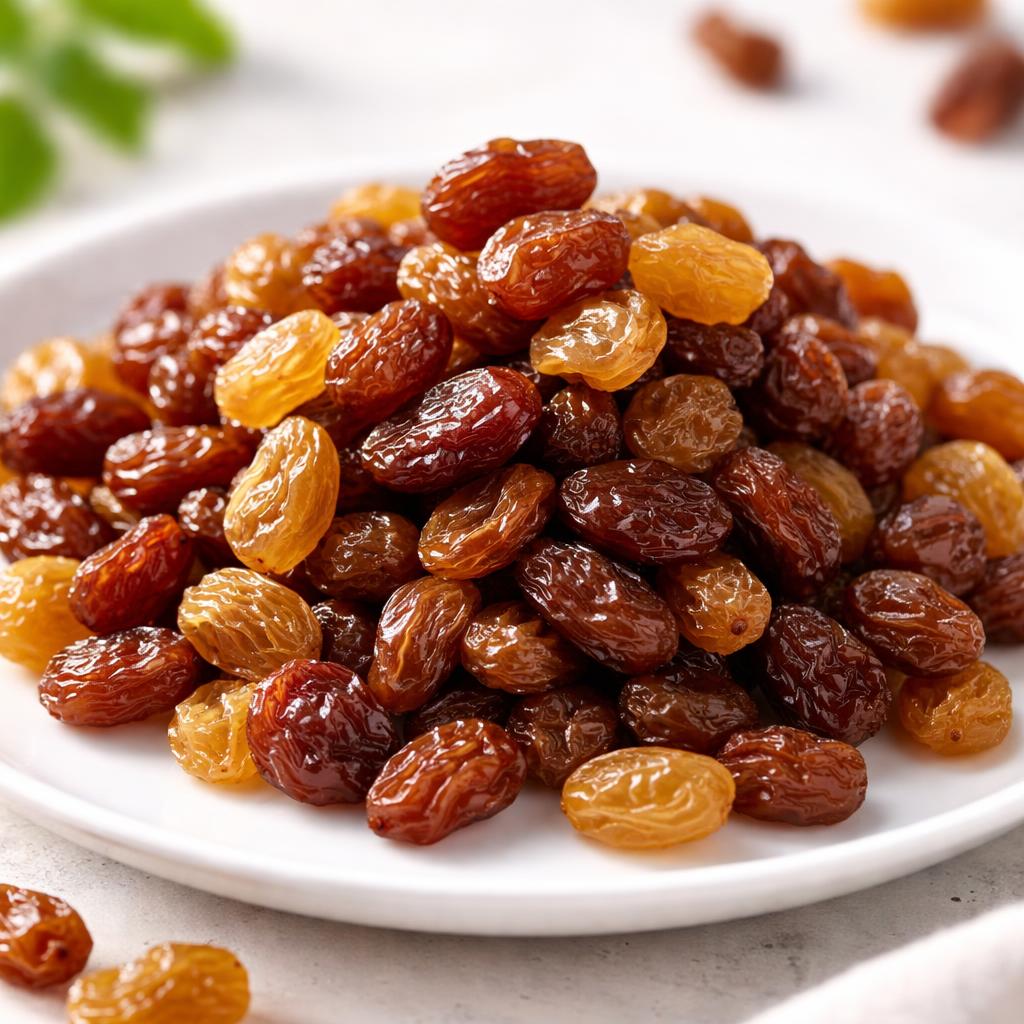
Raisins
🎯 Quick Verdict
Rice and raisins offer vastly different nutritional profiles. Rice is lower in calories and higher in protein, making it a staple for energy-dense meals, while raisins are rich in fiber and natural sugars, ideal for quick energy and digestive health. Choose rice for long-lasting sustenance and raisins for a quick, nutrient-packed snack or sweet addition to dishes.

Smart Nutrition Tracking with SnapCalorie

📊 Nutritional Comparison
Macronutrients
| Nutrient | Food 1 | Food 2 | Winner |
|---|---|---|---|
| Calories | 206 (1 cup, cooked) | 217 (1/2 cup) | − |
| Protein | 4.3g | 1.3g | − |
| Carbs | 45g | 57g | − |
| Fat | 0.4g | 0.3g | − |
| Fiber | 0.6g | 3.3g | − |
Vitamins & Minerals
| Nutrient | Food 1 | Food 2 | Winner |
|---|---|---|---|
| Vitamin C | 0mg | 2mg | − |
| Calcium | 18mg | 22mg | − |
| Iron | 0.2mg | 0.8mg | − |
🏆 Category Winners
Protein
Rice contains more than three times the protein content of raisins per serving.
Fiber
Raisins deliver over five times the fiber of rice per serving, aiding digestion.
Calories
Rice has fewer calories per serving compared to raisins.
🥗 Diet Compatibility
Keto
Food 1: Not Compatible
Food 2: Not Compatible
Both are high in carbohydrates.
Vegan
Food 1: Compatible
Food 2: Compatible
Both are plant-based and suitable for vegan diets.
Gluten Free
Food 1: Compatible
Food 2: Compatible
Neither food contains gluten.
Paleo
Food 1: Compatible
Food 2: Compatible
Both are whole-food sources and fit paleo diet guidelines.
Low Carb
Food 1: Not Compatible
Food 2: Not Compatible
Both are high in carbohydrates, making them unsuitable for low-carb diets.
💪 Health Benefits Comparison
Food 1 Benefits
- Easy-to-digest energy source
- Low in fat and cholesterol
- Provides sustained energy for physical activity
Food 2 Benefits
- Rich source of dietary fiber for gut health
- Provides quick energy from natural sugars
- Contains antioxidants to help fight free radicals
✅ The Bottom Line
Rice and raisins serve different dietary purposes. Rice is excellent for meal prep, providing sustained energy and higher protein, suitable for active lifestyles or weight management. Raisins, on the other hand, are packed with fiber and natural sugars, making them perfect for a quick snack, digestive health, or sweetening recipes naturally.
Choose Food 1 for: Low-fat meals, sustained energy, post-workout carb replenishment
Choose Food 2 for: Quick snack, improving digestion, natural sweetener or toppings


