Rice VS Quaker Oats
A detailed nutritional comparison
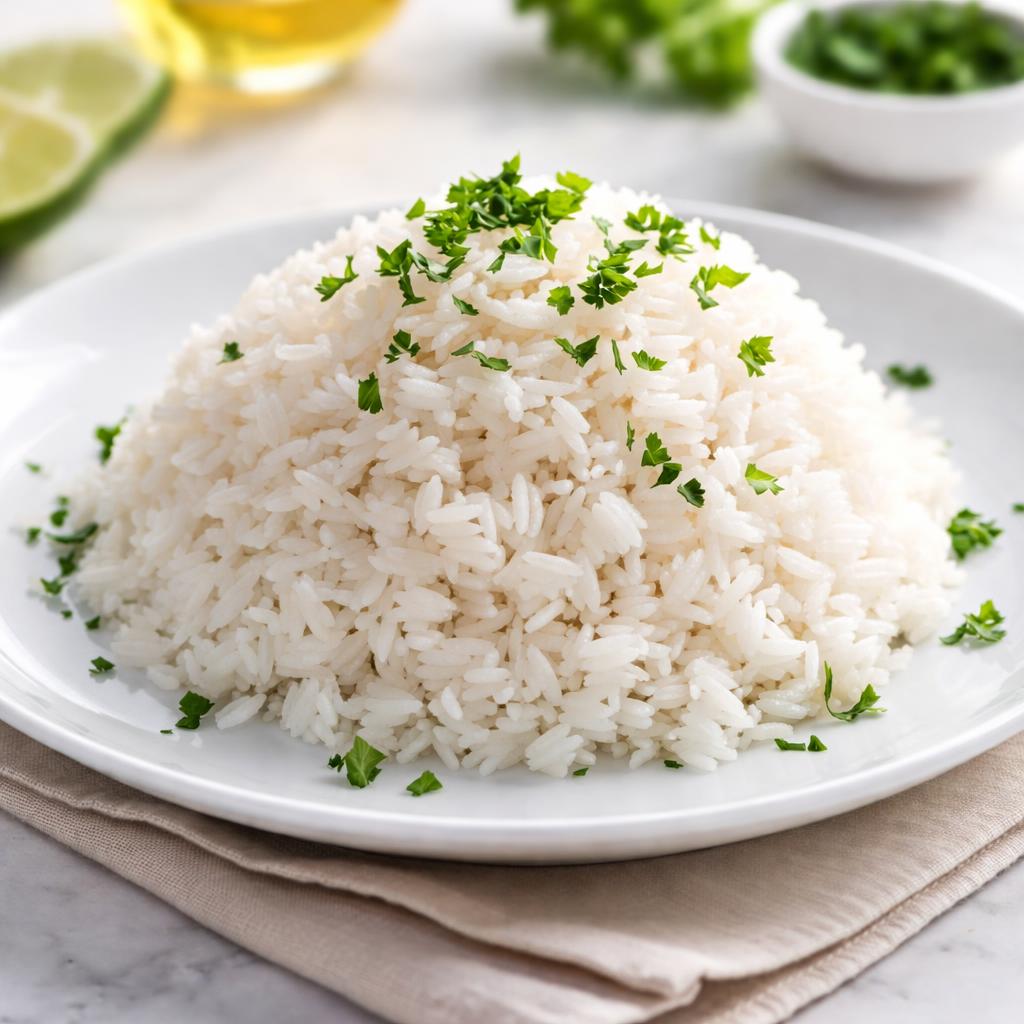
Rice
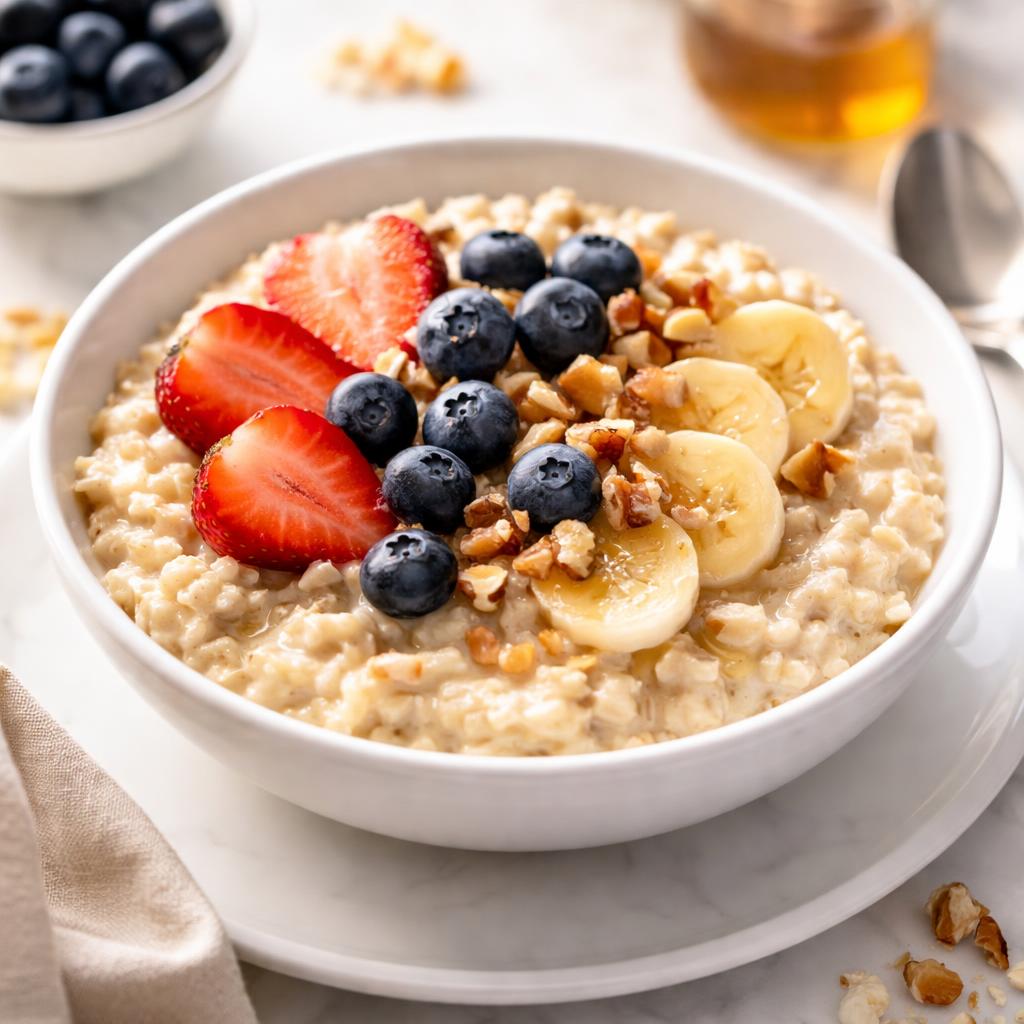
Quaker Oats
🎯 Quick Verdict
Quaker oats provide significantly more protein and fiber than rice, making them better suited for high-fiber, high-protein diets or sustained energy. Rice is lower in calories and carbs, making it suitable for those seeking low-calorie meal options. Both foods are gluten-free and vegan friendly, but oats are a nutrient-dense choice for overall health benefits.

Smart Nutrition Tracking with SnapCalorie

📊 Nutritional Comparison
Macronutrients
| Nutrient | Food 1 | Food 2 | Winner |
|---|---|---|---|
| Calories | 130 | 150 | ✓ |
| Protein | 2.7g | 5g | ✓ |
| Carbs | 28g | 27g | ✓ |
| Fat | 0.3g | 3g | ✓ |
| Fiber | 0.4g | 4g | ✓ |
Vitamins & Minerals
| Nutrient | Food 1 | Food 2 | Winner |
|---|---|---|---|
| Vitamin B6 | 0.1mg | 0.1mg | − |
| Magnesium | 12mg | 40mg | ✓ |
| Iron | 0.1mg | 1.5mg | ✓ |
🏆 Category Winners
Protein
Quaker oats have almost double the protein of rice per serving.
Fiber
Quaker oats contain 10 times the fiber of rice per serving.
Calories
Rice has about 13% fewer calories per serving.
Vitamins
Oats provide significantly more magnesium and iron than rice.
🥗 Diet Compatibility
Keto
Food 1: Not Compatible
Food 2: Not Compatible
Both foods are high-carb and not suitable for keto diets.
Vegan
Food 1: Compatible
Food 2: Compatible
Both rice and oats are plant-based and vegan-friendly.
Gluten Free
Food 1: Compatible
Food 2: Compatible
Both foods are gluten-free, but oats should be checked for cross-contamination.
Paleo
Food 1: Compatible
Food 2: Not Compatible
Rice is allowed in some paleo diets, while oats are generally excluded.
Low-Carb
Food 1: Not Compatible
Food 2: Not Compatible
Both foods are high-carb and not suitable for low-carb diets.
💪 Health Benefits Comparison
Food 1 Benefits
- Low in calories for weight management.
- Quick source of energy for physical activity.
- Contains small amounts of B vitamins for metabolism.
Food 2 Benefits
- High in fiber to support digestion and heart health.
- Rich in protein for muscle and tissue repair.
- Provides magnesium and iron for bone health and improved energy levels.
✅ The Bottom Line
Choose Quaker oats for nutrient density, high protein, and fiber if you need long-lasting energy or overall health support. Opt for rice when looking for a lower-calorie, quick energy source or to complement meals with mild flavor.
Choose Food 1 for: Low-calorie diets, quick energy, versatile base for meals.
Choose Food 2 for: Fiber-rich diets, long-lasting energy, heart and muscle health.


