Rice VS Protein Powder
A detailed nutritional comparison
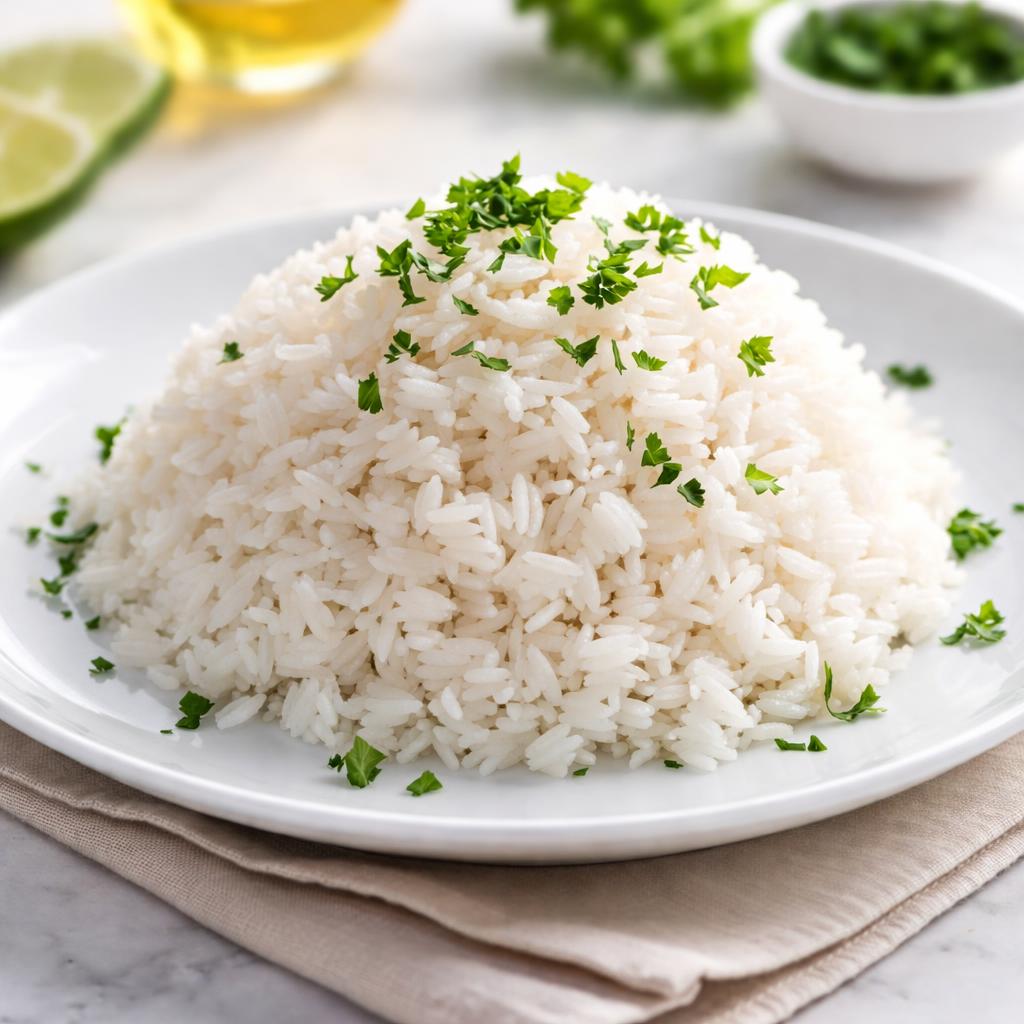
Rice
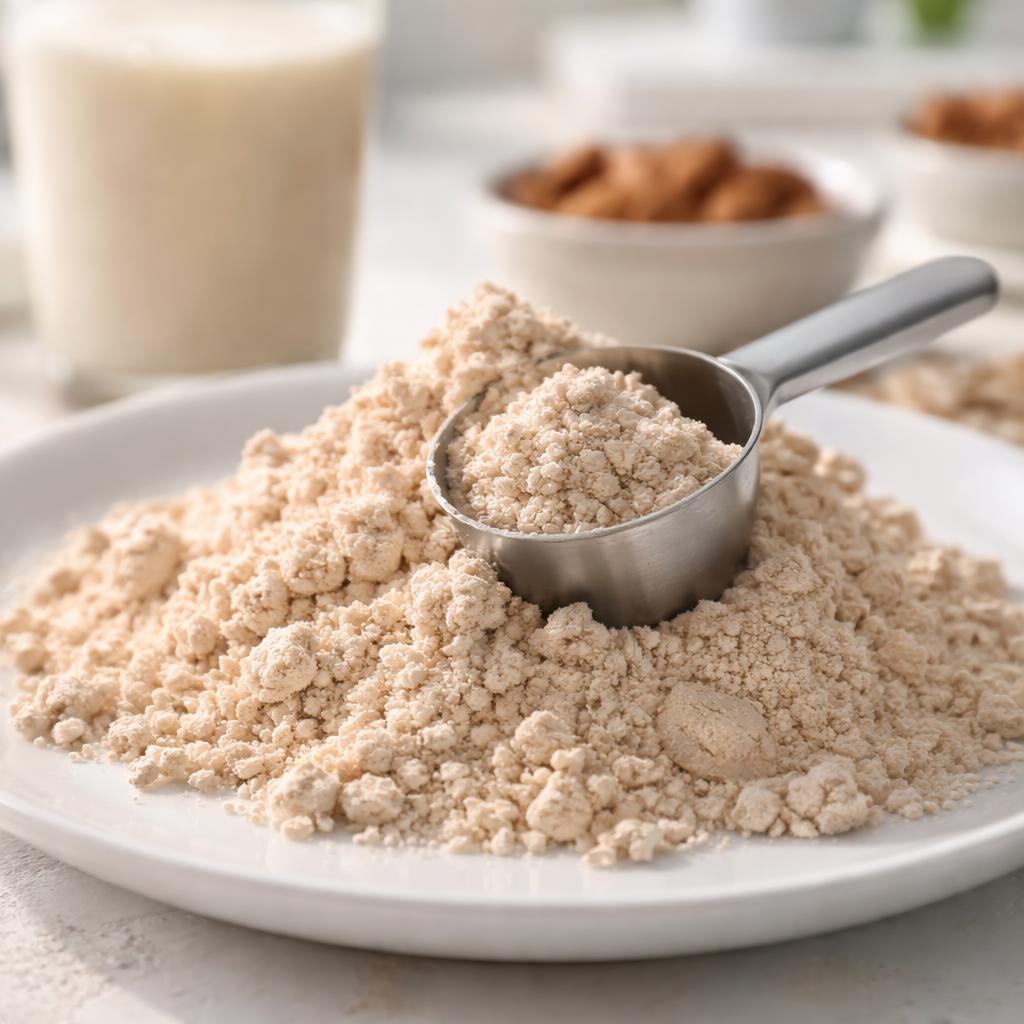
Protein Powder
🎯 Quick Verdict
Protein powder is significantly higher in protein, making it an ideal option for muscle building and recovery. Rice is a better source of carbohydrates and fiber, suitable for energy and digestive health. Choose protein powder for protein-focused diets and rice for balanced meals or carb-loading purposes.

Smart Nutrition Tracking with SnapCalorie

📊 Nutritional Comparison
Macronutrients
| Nutrient | Food 1 | Food 2 | Winner |
|---|---|---|---|
| Calories | 206 (white rice, cooked, 1 cup) | 120 (30g serving) | ✓ |
| Protein | 4.3g | 25g | ✓ |
| Carbs | 45g | 3.5g | ✓ |
| Fat | 0.4g | 1g | ✓ |
| Fiber | 0.6g | 0g | ✓ |
Vitamins & Minerals
| Nutrient | Food 1 | Food 2 | Winner |
|---|---|---|---|
| Vitamin D | 0mcg | 5mcg | ✓ |
| Calcium | 10mg | 120mg | ✓ |
| Iron | 0.8mg | 2.5mg | ✓ |
🏆 Category Winners
Protein
Protein powder has over 5 times more protein per serving compared to rice.
Fiber
Rice contains fiber while protein powder typically has none.
Calories
Protein powder is lower in calories per serving compared to cooked rice.
Vitamins
Protein powder usually includes fortified vitamins like Vitamin D and calcium.
🥗 Diet Compatibility
Keto
Food 1: Not Compatible
Food 2: Compatible
Rice is high-carb while protein powder is low-carb.
Vegan
Food 1: Compatible
Food 2: Varies
Rice is always vegan, but protein powder may vary depending on ingredients (look for vegan versions).
Gluten Free
Food 1: Compatible
Food 2: Compatible
Neither rice nor protein powder contains gluten (if the protein powder is certified gluten-free).
Paleo
Food 1: Compatible
Food 2: Sometimes Compatible
Rice is typically excluded from paleo diets, while certain protein powders fit paleo guidelines.
Low Carb
Food 1: Not Compatible
Food 2: Compatible
Rice is carb-heavy, while protein powder is low-carb.
💪 Health Benefits Comparison
Food 1 Benefits
- Provides sustained energy due to complex carbohydrates
- Low in fat, making it heart-healthy
- Contains a small amount of fiber for digestive support
Food 2 Benefits
- Excellent source of protein for muscle growth and repair
- Fortified with essential vitamins and minerals like calcium and Vitamin D
- Typically low-carb, suitable for weight management and fat loss
✅ The Bottom Line
Choose protein powder for high-protein needs, post-workout recovery, or low-carb diets. Opt for rice when you require a balanced meal with more carbohydrates or sustained energy. Both can complement each other depending on your dietary goals.
Choose Food 1 for: Balanced meals, energy for endurance activities, digestive health
Choose Food 2 for: Muscle building, weight loss, low-carb diets


