Rice VS Potato Curry
A detailed nutritional comparison
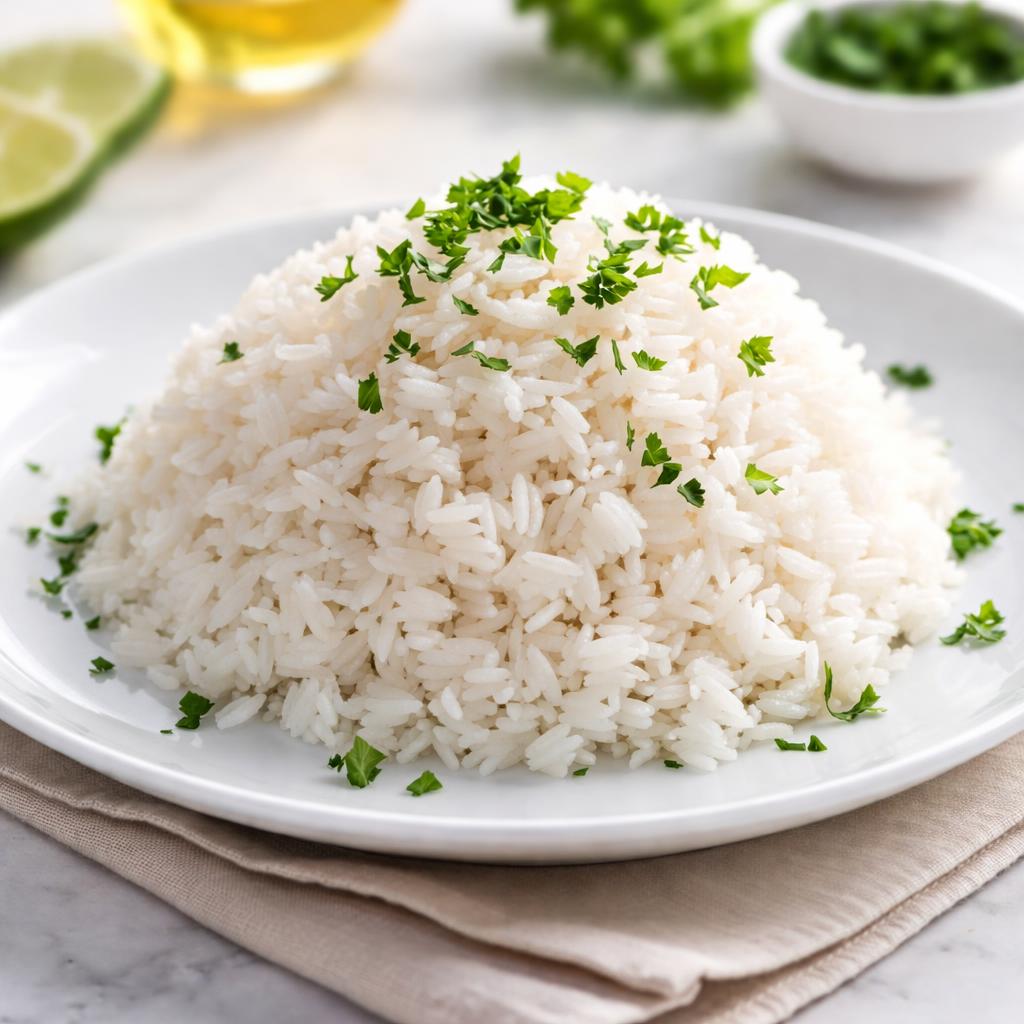
Rice
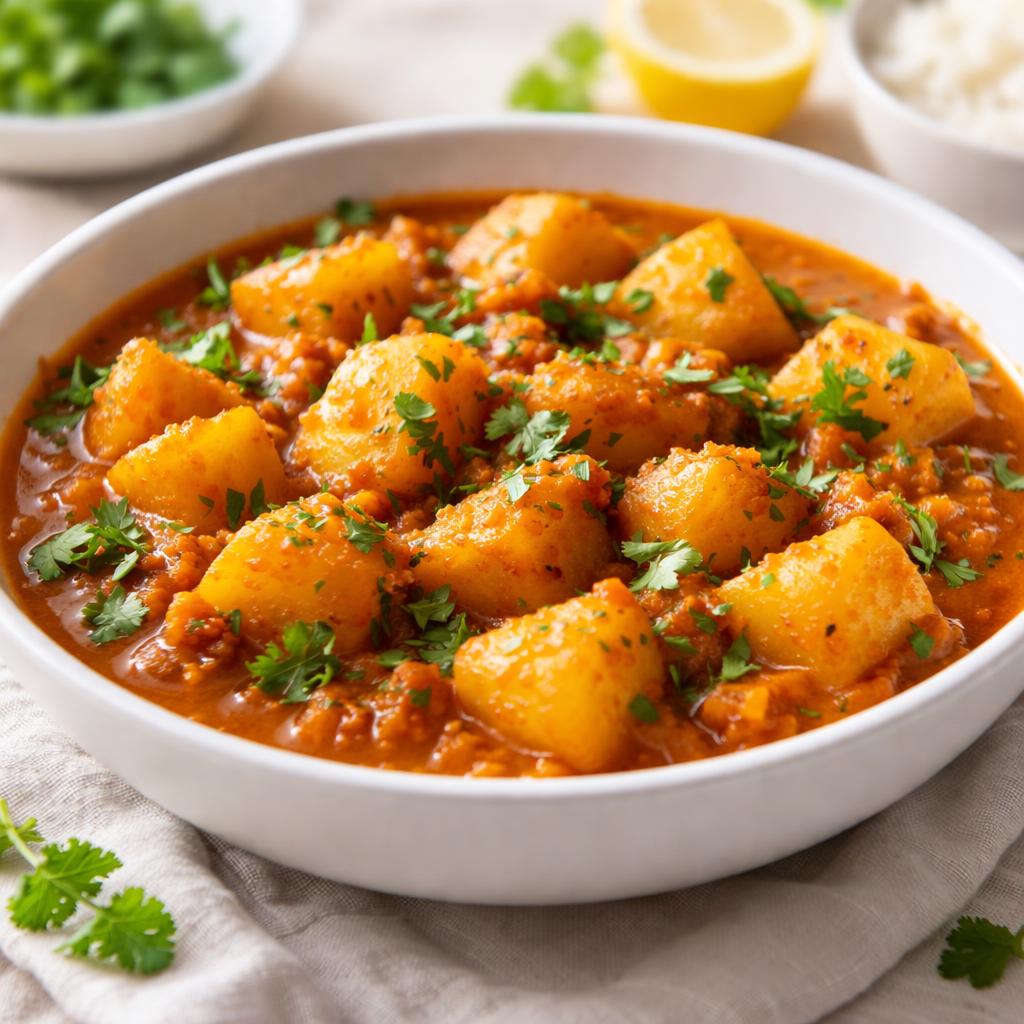
Potato Curry
🎯 Quick Verdict
Rice is a calorie-friendly and simple carbohydrate source, ideal for energy while being lower in protein and fiber. Potato curry offers significantly more protein, fiber, and vitamins, making it a more nutrient-dense and balanced option. Choose rice for light meals and potato curry for nutritional variety and satiety.

Smart Nutrition Tracking with SnapCalorie

📊 Nutritional Comparison
Macronutrients
| Nutrient | Food 1 | Food 2 | Winner |
|---|---|---|---|
| Calories | 205 | 170 | ✓ |
| Protein | 4g | 6g | ✓ |
| Carbs | 45g | 20g | ✓ |
| Fat | 0g | 9g | ✓ |
| Fiber | 0.6g | 4g | ✓ |
Vitamins & Minerals
| Nutrient | Food 1 | Food 2 | Winner |
|---|---|---|---|
| Vitamin C | 0mg | 14mg | ✓ |
| Vitamin B6 | 0.1mg | 0.4mg | ✓ |
| Potassium | 55mg | 500mg | ✓ |
🏆 Category Winners
Protein
Potato curry provides 50% more protein than rice per serving.
Fiber
Potato curry contains over 6 times the fiber of rice, supporting digestion.
Calories
Potato curry is slightly lower in calories despite its nutrient density.
Vitamins
Potato curry is rich in Vitamin C, B6, and potassium, whereas rice lacks significant vitamin content.
🥗 Diet Compatibility
Keto
Food 1: Not Compatible
Food 2: Not Compatible
Both are high in carbs and unsuitable for keto diets.
Vegan
Food 1: Compatible
Food 2: Compatible
Both foods are plant-based and vegan-friendly.
Gluten Free
Food 1: Compatible
Food 2: Compatible
Both rice and potato curry are naturally gluten-free.
Paleo
Food 1: Compatible
Food 2: Compatible
Both foods fit within paleo diets, assuming no non-paleo additives in the curry.
Low-Carb
Food 1: Not Compatible
Food 2: Not Compatible
Both options are relatively high in carbohydrates.
💪 Health Benefits Comparison
Food 1 Benefits
- Excellent energy source from carbohydrates
- Low calorie option for lighter meals
- Naturally gluten-free and versatile
Food 2 Benefits
- High in fiber for digestive health
- Rich in vitamins and minerals, particularly Vitamin C
- Provides healthy fats (if prepared with certain oils or coconut milk)
✅ The Bottom Line
Rice is great for simple carb loading and lower-calorie meals; it’s ideal for lighter dishes or pairing with nutrient-heavy foods like lean proteins or vegetable sides. Potato curry offers a more balanced nutritional profile, delivering fiber, vitamins, and satisfying flavor. Choose potato curry for a filling, nutrient-dense meal option, particularly for post-workout recovery or heart health support.
Choose Food 1 for: Light meals, side dishes, energy boost
Choose Food 2 for: Nutrient-dense meals, satiety, balanced diets


