Rice VS Pork Mince
A detailed nutritional comparison
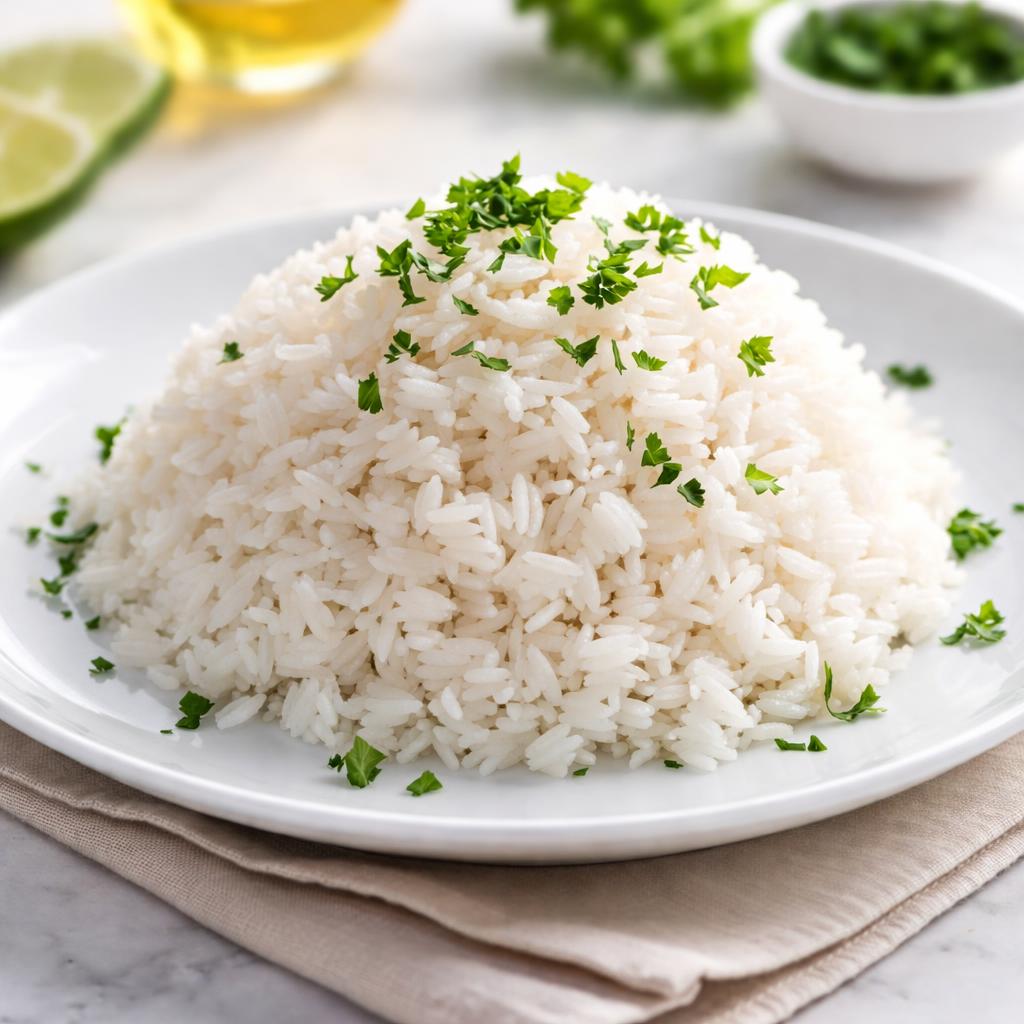
Rice
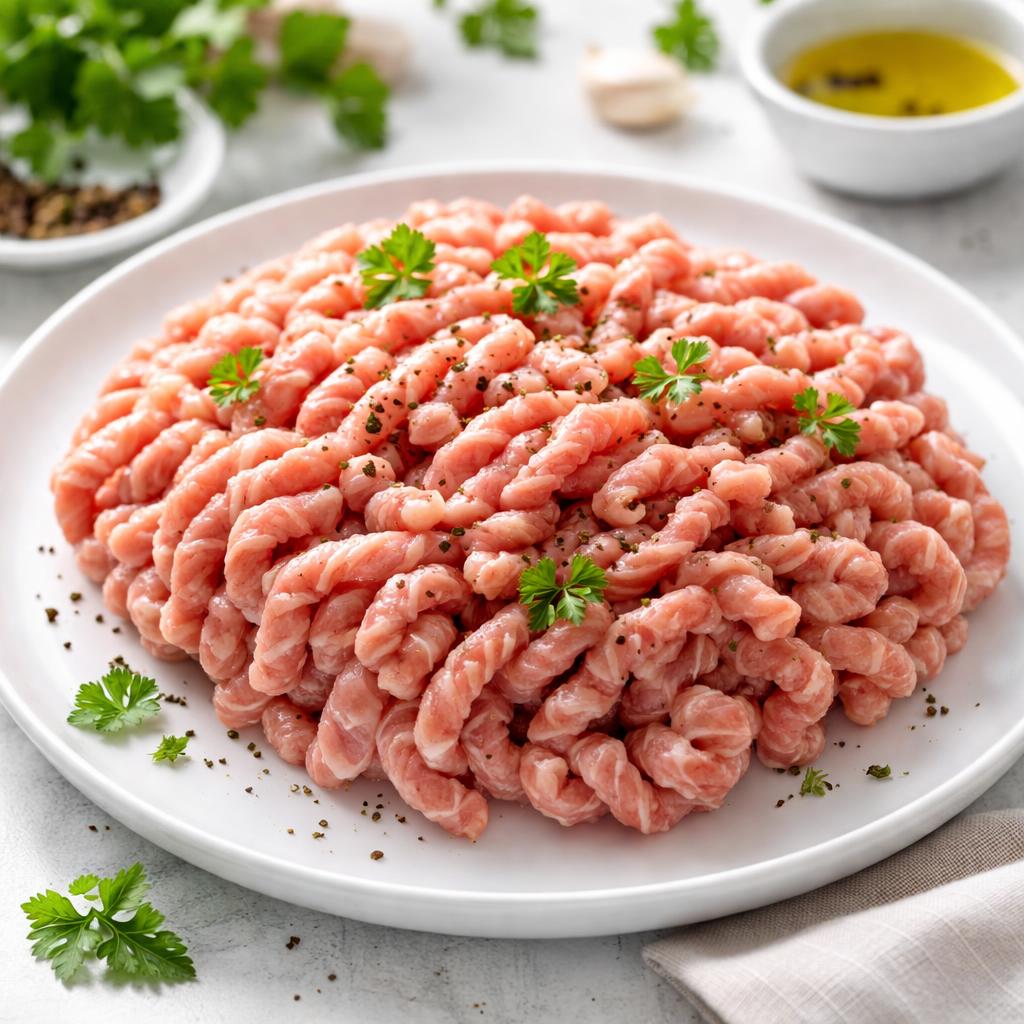
Pork Mince
🎯 Quick Verdict
Pork mince is a protein powerhouse with significantly higher protein and fat compared to rice, making it ideal for muscle growth or a keto diet. Rice, on the other hand, is lower in calories and provides more fiber, making it a better choice for sustained energy and digestion. The two foods complement different dietary needs depending on one’s goals.

Smart Nutrition Tracking with SnapCalorie

📊 Nutritional Comparison
Macronutrients
| Nutrient | Food 1 | Food 2 | Winner |
|---|---|---|---|
| Calories | 130 (per 100g cooked) | 255 (per 100g raw) | ✓ |
| Protein | 2.7g | 18g | ✓ |
| Carbs | 28g | 0g | ✓ |
| Fat | 0.3g | 20g | ✓ |
| Fiber | 0.4g | 0g | ✓ |
Vitamins & Minerals
| Nutrient | Food 1 | Food 2 | Winner |
|---|---|---|---|
| Vitamin B6 | 0.1mg | 0.4mg | ✓ |
| Niacin (Vitamin B3) | 0.6mg | 7mg | ✓ |
| Vitamin D | 0mcg | 1.3mcg | ✓ |
| Iron | 0.2mg | 1.3mg | ✓ |
| Calcium | 10mg | 18mg | ✓ |
🏆 Category Winners
Protein
Pork mince contains 18g of protein per 100g, compared to rice's 2.7g.
Fiber
Rice has 0.4g of fiber per 100g, while pork mince has none.
Calories
Cooked rice contains 130 calories per 100g, lower than pork mince's 255 calories per 100g.
Vitamins
Pork mince is richer in vitamins and minerals, including vitamin B6, niacin, and iron.
🥗 Diet Compatibility
Keto
Food 1: Not Compatible
Food 2: Compatible
Food2 is zero-carb and high-fat, aligning with keto diet principles.
Vegan
Food 1: Compatible
Food 2: Not Compatible
Food1 (rice) is plant-based, while pork mince is derived from animals.
Gluten Free
Food 1: Compatible
Food 2: Compatible
Neither rice nor pork mince contains gluten.
Paleo
Food 1: Not Compatible
Food 2: Compatible
Pork mince fits paleo restrictions, whereas rice is a processed grain not allowed in a paleo diet.
Low Carb
Food 1: Not Compatible
Food 2: Compatible
Rice is high in carbohydrates (28g per 100g), while pork mince contains zero carbs.
💪 Health Benefits Comparison
Food 1 Benefits
- Good source of complex carbohydrates for sustained energy.
- Low calorie content supports weight management.
- Contains small amounts of fiber for digestion.
Food 2 Benefits
- Rich in high-quality protein to support muscle growth and repair.
- Provides essential fats for hormone balance and energy.
- Contains key vitamins and minerals such as vitamin B6, iron, and niacin, which support metabolism and energy production.
✅ The Bottom Line
Choose pork mince if you need a high-protein food for muscle building, keto, or paleo diets. Opt for rice when you need a low-calorie carbohydrate source for quick energy or digestive health.
Choose Food 1 for: Sustained energy, digestion support, weight loss.
Choose Food 2 for: Muscle building, keto diets, nutrient density.


