Rice VS Pork Chops
A detailed nutritional comparison
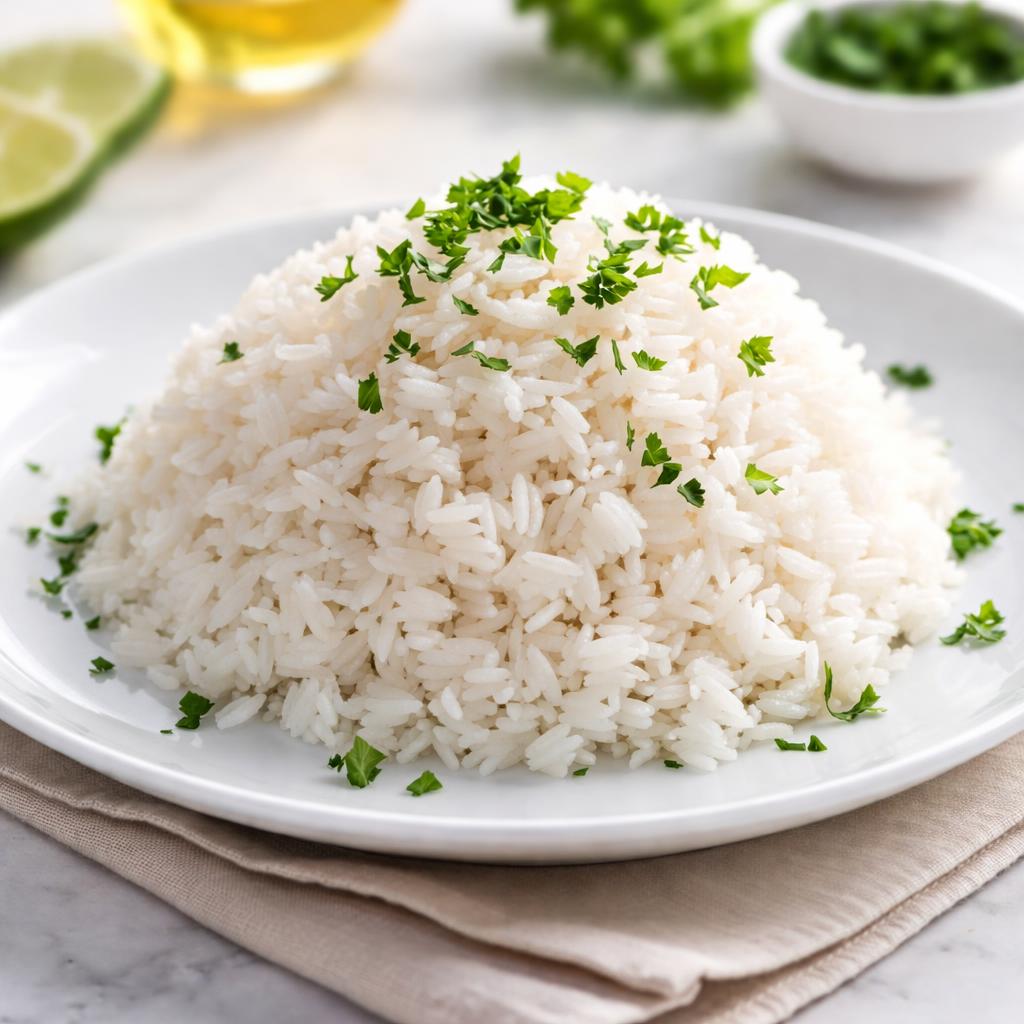
Rice
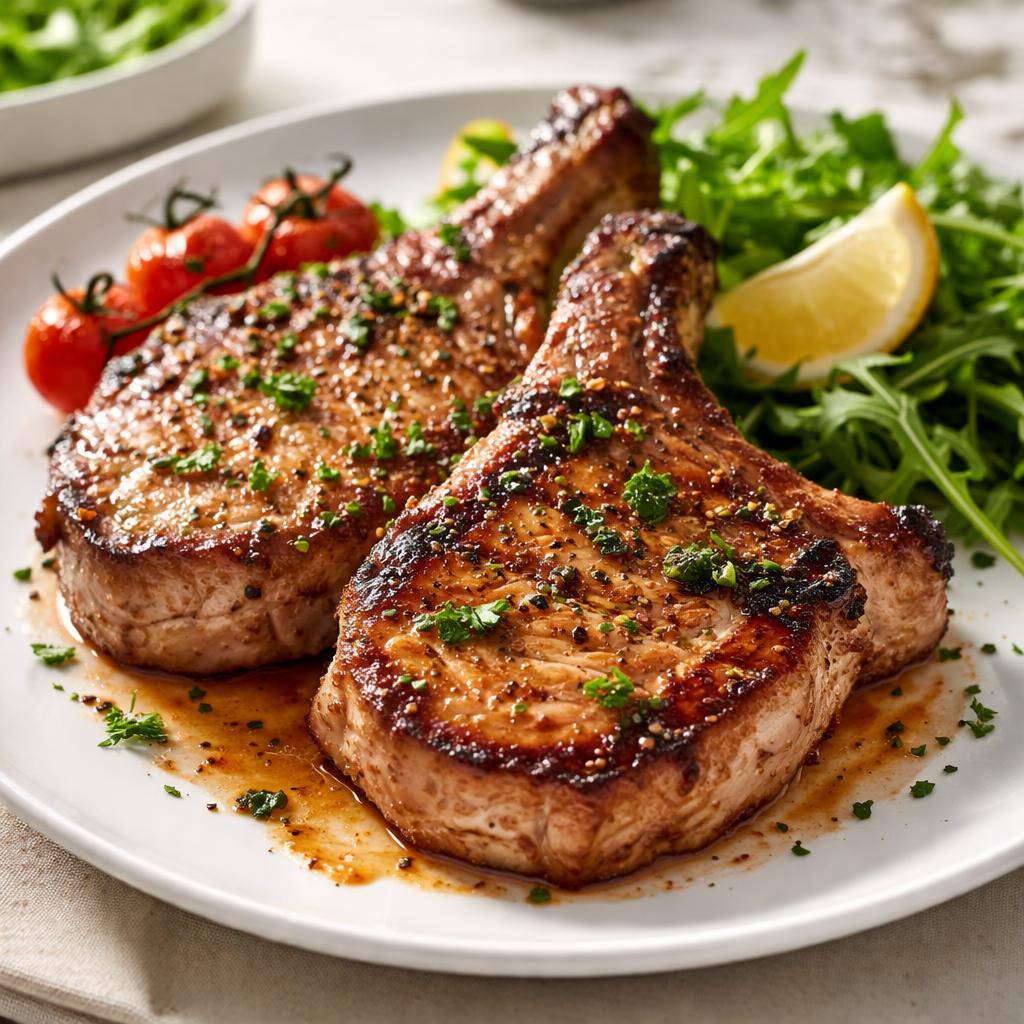
Pork Chops
🎯 Quick Verdict
Rice and pork chops serve different dietary needs. Rice offers lower calories, higher fiber, and is a good vegan and gluten-free option, whereas pork chops excel in protein content and provide essential B vitamins and minerals like zinc and iron. Rice suits carb-based meals or energy-focused diets while pork chops are ideal for protein-centric diets or muscle building.

Smart Nutrition Tracking with SnapCalorie

📊 Nutritional Comparison
Macronutrients
| Nutrient | Food 1 | Food 2 | Winner |
|---|---|---|---|
| Calories | 206 (cooked, 1 cup) | 286 (3oz cooked) | ✓ |
| Protein | 4.3g | 25g | ✓ |
| Carbs | 44.5g | 0g | ✓ |
| Fat | 0.4g | 21g | ✓ |
| Fiber | 0.6g | 0g | ✓ |
Vitamins & Minerals
| Nutrient | Food 1 | Food 2 | Winner |
|---|---|---|---|
| Vitamin B6 | 0.1mg | 0.4mg | ✓ |
| Vitamin D | 0mcg | 1mcg | ✓ |
| Iron | 0.6mg | 0.8mg | ✓ |
| Zinc | 0.5mg | 2.9mg | ✓ |
🏆 Category Winners
Protein
Pork chops provide nearly six times more protein than rice per serving.
Fiber
Rice contains measurable fiber, whereas pork chops contain none.
Calories
Rice has approximately 28% fewer calories than pork chops per serving.
Vitamins
Pork chops offer higher amounts of essential vitamins, including B6 and D.
🥗 Diet Compatibility
Keto
Food 1: Not Compatible
Food 2: Compatible
Pork chops are carbohydrate-free, making them ideal for keto diets.
Vegan
Food 1: Compatible
Food 2: Not Compatible
Rice is plant-based, while pork chops are an animal product.
Gluten Free
Food 1: Compatible
Food 2: Compatible
Both foods are naturally gluten-free.
Paleo
Food 1: Not Compatible
Food 2: Compatible
Pork chops fit paleo guidelines, while rice is excluded due to being a grain.
Low Carb
Food 1: Not Compatible
Food 2: Compatible
Rice is carb-dense, while pork chops are carb-free.
💪 Health Benefits Comparison
Food 1 Benefits
- Versatile source of carbohydrates for energy
- Low in fat, supporting heart-healthy diets
- Provides trace amounts of essential minerals like magnesium
Food 2 Benefits
- Excellent source of protein for muscle growth and repair
- Contains high levels of vitamin B6 and zinc for metabolism and immune health
- Provides healthy fats, including monounsaturated fat, which supports heart health
✅ The Bottom Line
Choose rice for energy-rich meals, plant-based diets, or when focusing on lower-calorie options. Opt for pork chops when prioritizing protein, muscle-building, or essential vitamins and minerals. These foods complement each other in balanced meals.
Choose Food 1 for: Plant-based diets, energy-focused meals, vegan compatibility
Choose Food 2 for: Muscle building, keto and paleo diets, nutrient-dense eating


