Rice VS Pork Chop
A detailed nutritional comparison
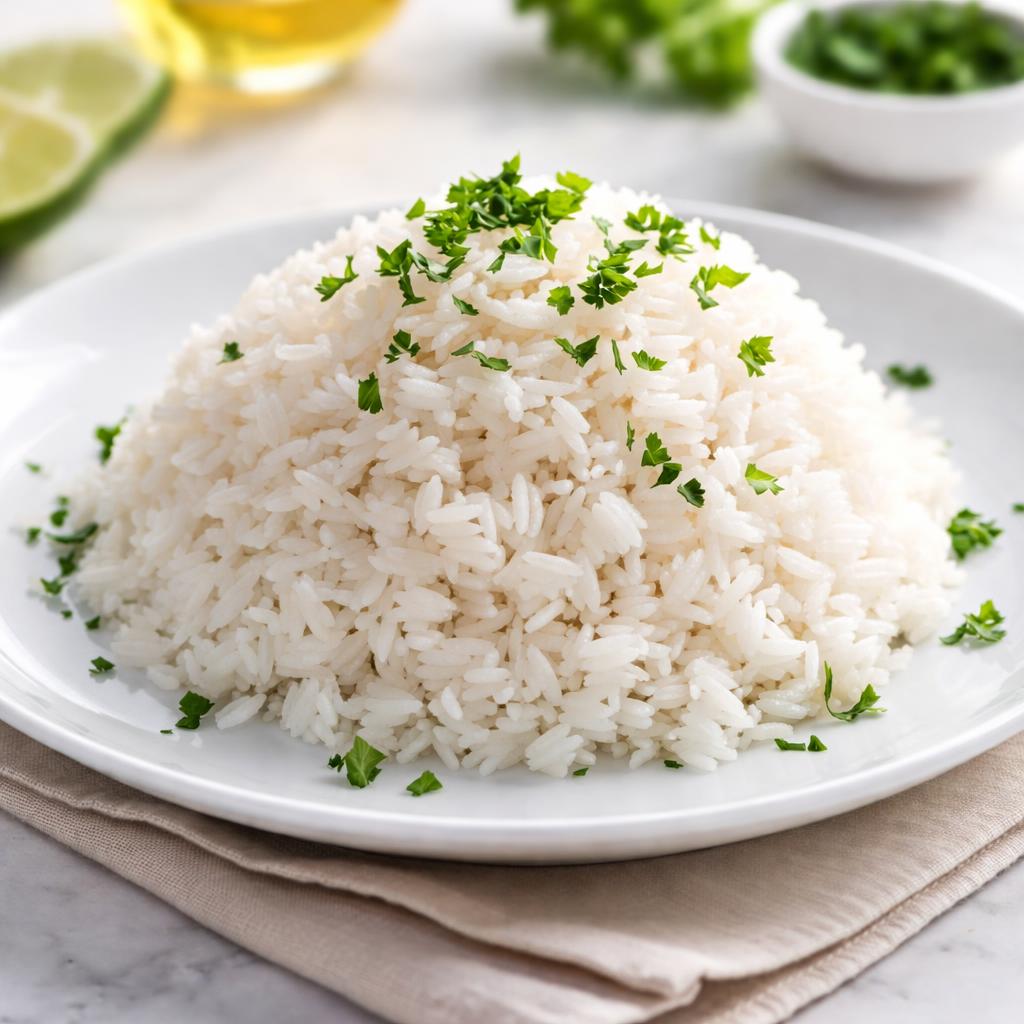
Rice
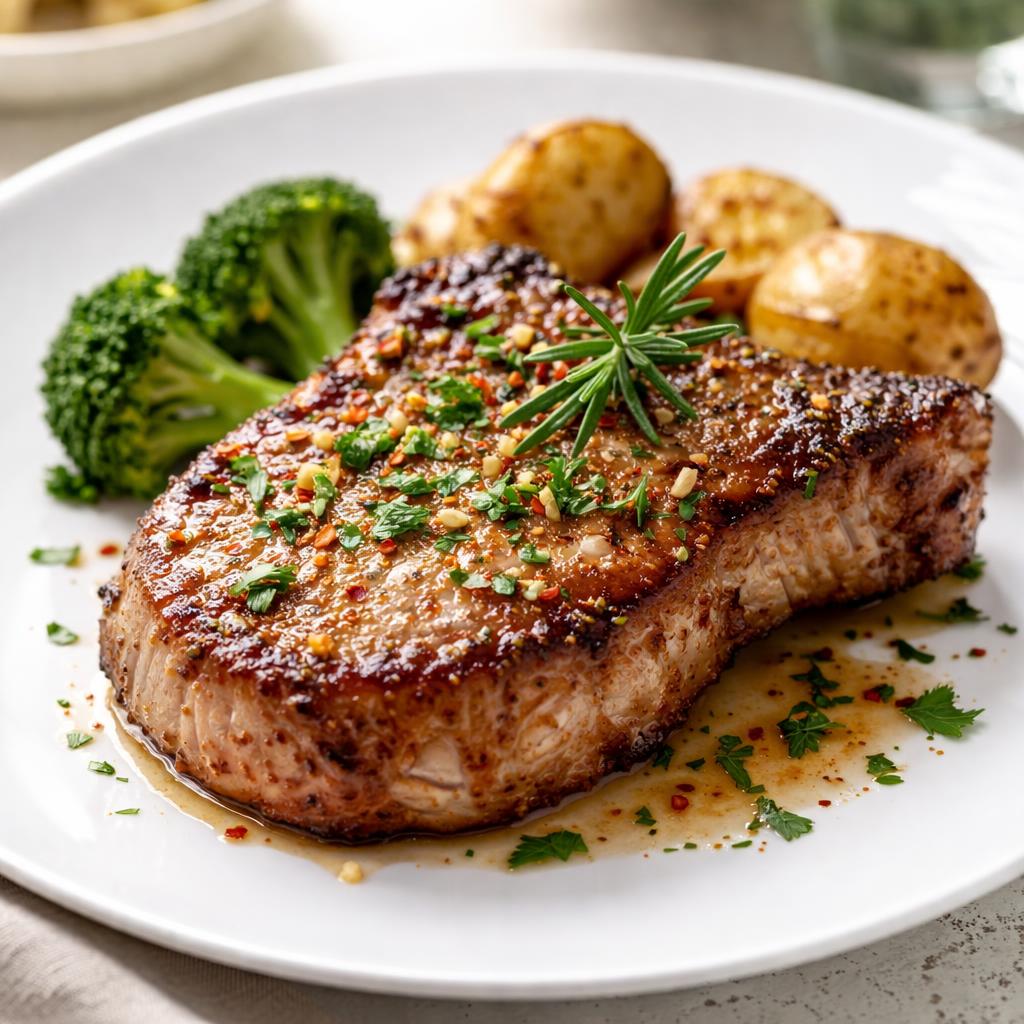
Pork Chop
🎯 Quick Verdict
Rice is a plant-based carbohydrate source, lower in protein but higher in fiber and calories. Pork chop is a protein-dense animal-based option, also containing healthy fats and essential vitamins like B12. Rice is great for energy and vegan meals, while pork chop excels for muscle-building or nutrient-dense eating plans.

Smart Nutrition Tracking with SnapCalorie

📊 Nutritional Comparison
Macronutrients
| Nutrient | Food 1 | Food 2 | Winner |
|---|---|---|---|
| Calories | 130 | 220 | ✓ |
| Protein | 3g | 26g | ✓ |
| Carbs | 28g | 0g | ✓ |
| Fat | 0g | 11g | ✓ |
| Fiber | 1g | 0g | ✓ |
Vitamins & Minerals
| Nutrient | Food 1 | Food 2 | Winner |
|---|---|---|---|
| Vitamin D | 0mcg | 2mcg | ✓ |
| Vitamin B12 | 0mcg | 0.6mcg | ✓ |
| Iron | 0.2mg | 0.8mg | ✓ |
🏆 Category Winners
Protein
Pork chop provides 8 times more protein than rice.
Fiber
Rice contains 1g of fiber per serving, while pork chop has none.
Calories
Rice has 40% fewer calories per serving compared to pork chop.
Vitamins
Pork chop is richer in vital nutrients like vitamin D and B12.
🥗 Diet Compatibility
Keto
Food 1: Not Compatible
Food 2: Compatible
Pork chop is low-carb; rice is too high in carbs for keto.
Vegan
Food 1: Compatible
Food 2: Not Compatible
Rice is plant-based, while pork chop is animal-based.
Gluten Free
Food 1: Compatible
Food 2: Compatible
Neither food contains gluten.
Paleo
Food 1: Not Compatible
Food 2: Compatible
Pork chop fits paleo guidelines; rice does not.
Low Carb
Food 1: Not Compatible
Food 2: Compatible
Rice is high-carb, while pork chop contains no carbohydrates.
💪 Health Benefits Comparison
Food 1 Benefits
- Provides a quick source of energy from carbohydrates
- Low in fat and cholesterol for heart health
- Rich in minerals like manganese for bone support
Food 2 Benefits
- Excellent source of protein for muscle maintenance
- Contains vitamin B12 for nerve and blood health
- Provides vitamin D for bone health and immunity
- Good source of healthy fats to support weight management
✅ The Bottom Line
Rice is a better choice for plant-based or vegan diets needing simple carbs and fiber. Pork chop is ideal for those seeking a high-protein, low-carb option, particularly for muscle-building or paleo lifestyles. Both have distinct advantages depending on dietary goals.
Choose Food 1 for: Vegan diets, high-carb energy needs, simple meal additions
Choose Food 2 for: Muscle-building, keto diets, nutrient-dense meals


