Rice VS Peanut Chutney
A detailed nutritional comparison
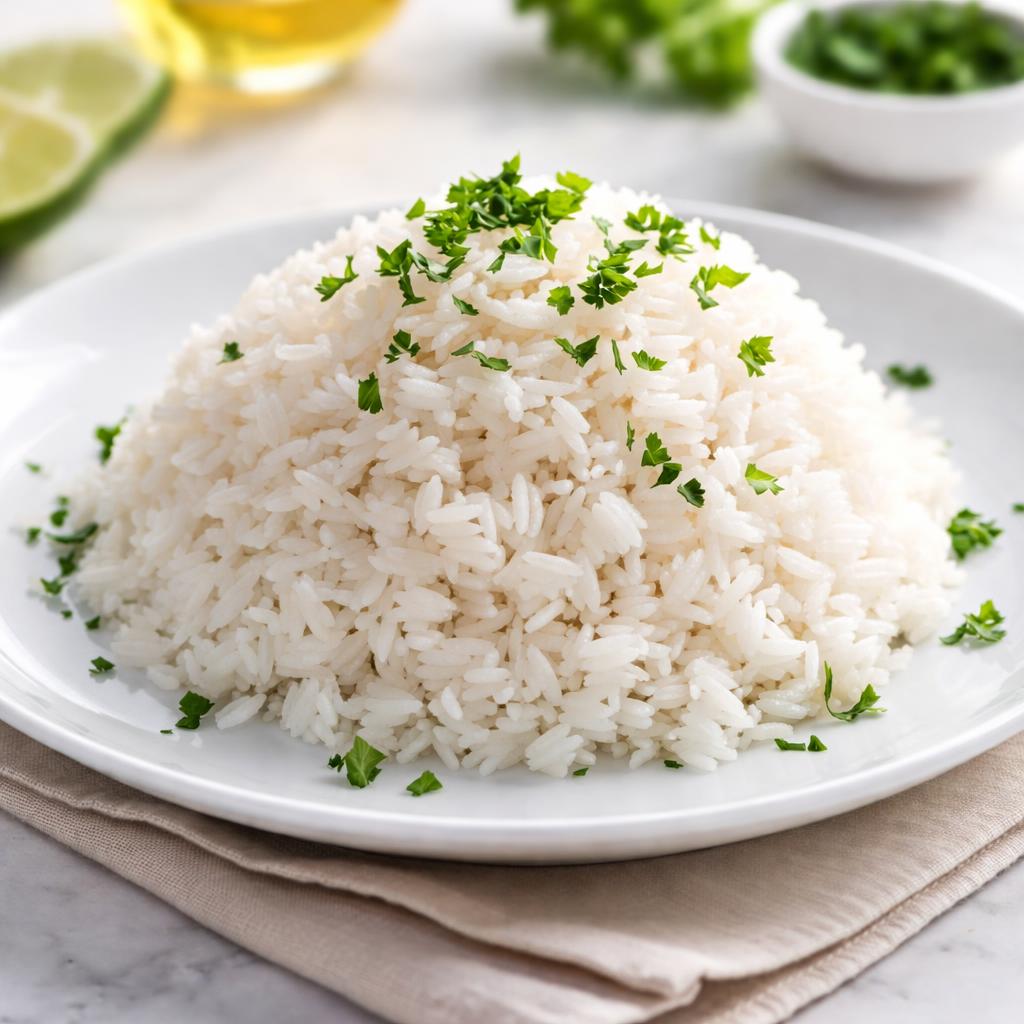
Rice
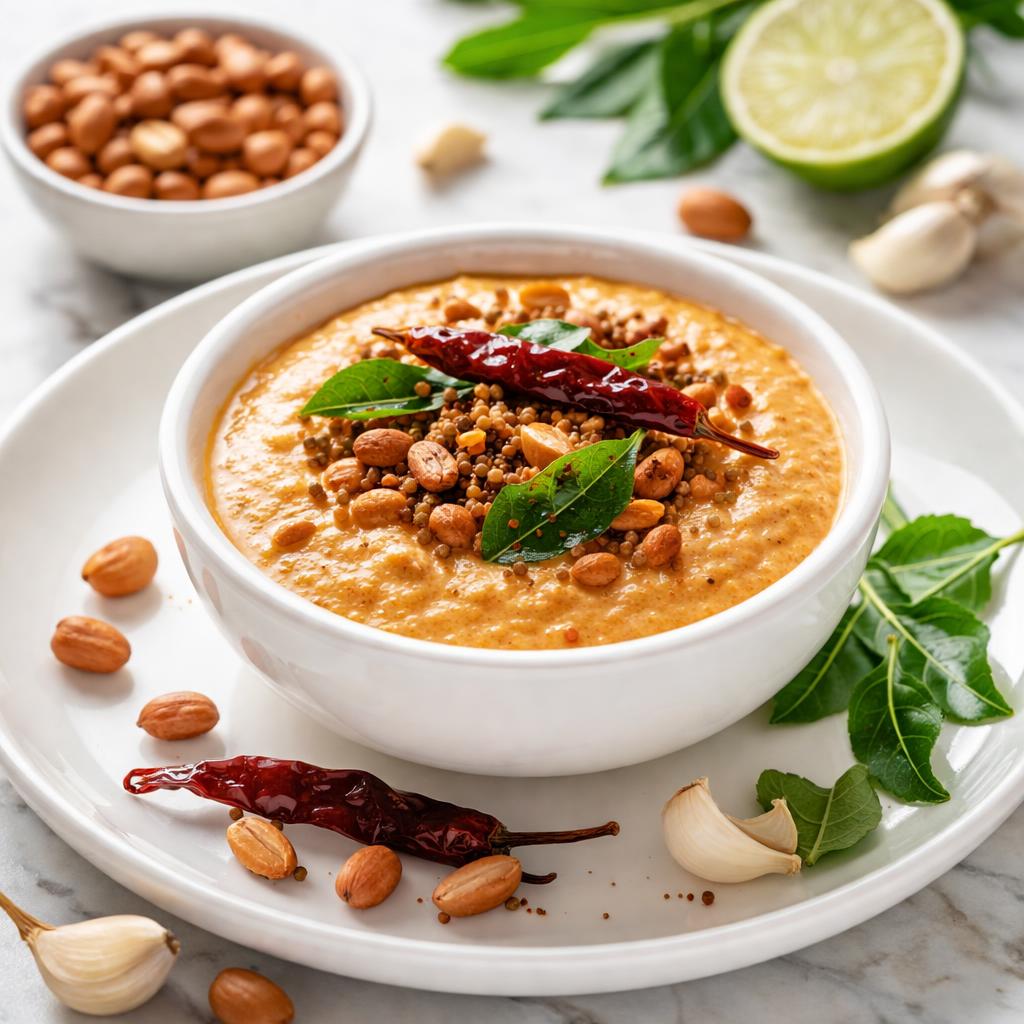
Peanut Chutney
🎯 Quick Verdict
Rice is a low-calorie, high-carb staple that provides quick energy, while peanut chutney is a nutrient-dense condiment that's higher in protein, fiber, and healthy fats. Rice is ideal for those needing a base for meals, whereas peanut chutney enhances flavor while boosting nutrient intake.

Smart Nutrition Tracking with SnapCalorie

📊 Nutritional Comparison
Macronutrients
| Nutrient | Food 1 | Food 2 | Winner |
|---|---|---|---|
| Calories | 130 per 100g (white, plain cooked) | 290 per 100g | ✓ |
| Protein | 2.7g | 9g | ✓ |
| Carbs | 28g | 8g | ✓ |
| Fat | 0.3g | 24g | ✓ |
| Fiber | 0.4g | 3g | ✓ |
Vitamins & Minerals
| Nutrient | Food 1 | Food 2 | Winner |
|---|---|---|---|
| Vitamin E | 0mg | 4.2mg | ✓ |
| Magnesium | 3mg | 168mg | ✓ |
| Calcium | 10mg | 45mg | ✓ |
| Iron | 0.2mg | 1.5mg | ✓ |
🏆 Category Winners
Protein
Peanut chutney contains over 3 times more protein per serving than rice.
Fiber
Peanut chutney provides 7.5 times more dietary fiber, aiding digestion.
Calories
Rice has ~55% fewer calories per serving compared to peanut chutney.
Vitamins
Peanut chutney is rich in vitamin E, magnesium, and iron, whereas rice provides minimal vitamins overall.
🥗 Diet Compatibility
Keto
Food 1: Not Compatible
Food 2: Compatible
Rice is high in carbohydrates, while peanut chutney is low-carb and fits keto diets.
Vegan
Food 1: Compatible
Food 2: Compatible
Both foods are plant-based.
Gluten Free
Food 1: Compatible
Food 2: Compatible
Neither contains gluten.
Paleo
Food 1: Not Compatible
Food 2: Compatible
Peanut chutney aligns with paleo diets, but rice does not.
Low Carb
Food 1: Not Compatible
Food 2: Compatible
Rice contains high carbs (~28g per 100g), while peanut chutney is low-carb (8g per 100g).
💪 Health Benefits Comparison
Food 1 Benefits
- Provides quick energy through complex carbohydrates
- Easy to digest and great for sensitive stomachs
- Low in fat and suitable for calorie-conscious diets
Food 2 Benefits
- Rich in healthy fats to support heart and brain health
- High in protein for muscle and tissue repair
- Contains fiber for better digestion and gut health
- Provides magnesium, supporting muscle function and bone health
✅ The Bottom Line
Choose rice for a low-calorie base to complement meals or quick energy sources. Opt for peanut chutney when looking for nutrient density, protein, and healthy fats in small amounts. Peanut chutney pairs well with various dishes for a flavor boost and added nutrition.
Choose Food 1 for: Energy boost, simple meals, low-calorie diets
Choose Food 2 for: Nutrient enrichment, high-protein diets, keto or paleo eating


